
Quick Answer
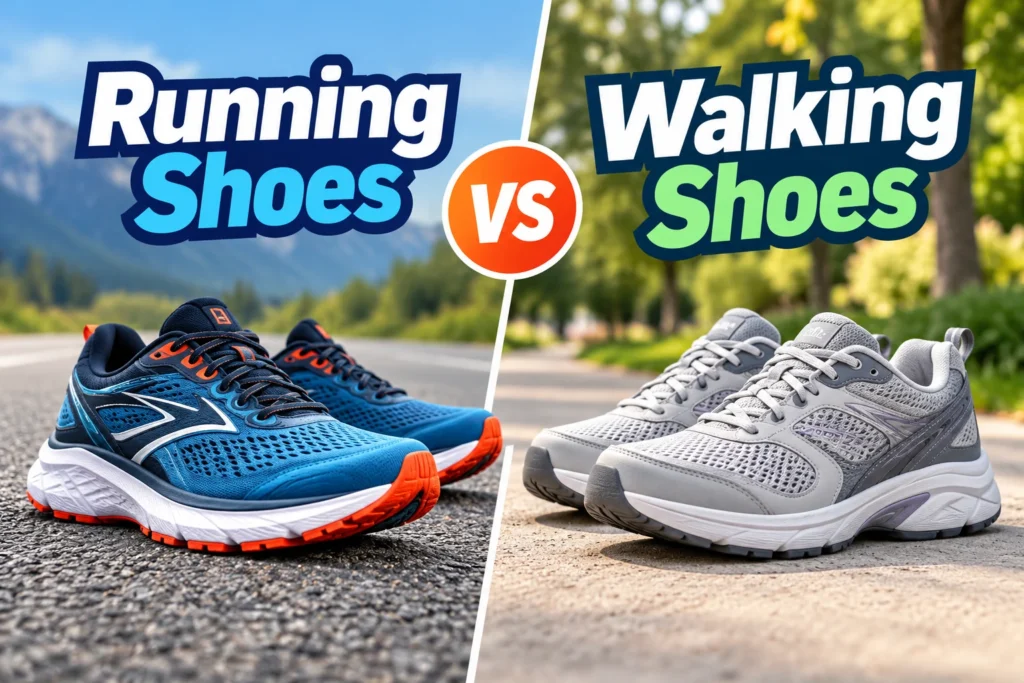
The main difference between running shoes and walking shoes is how they support movement and absorb impact. Running shoes generally prioritize cushioning, lightweight construction, and repeated high-impact landings. Walking shoes emphasize comfortable heel-to-toe movement and dependable stability. You can usually walk in comfortable running shoes, but dedicated walking shoes are not always suitable for regular running. Learn more about using running shoes for walking on concrete.
Key Differences at a Glance
- Impact protection: Running shoes accommodate repeated higher-impact landings.
- Walking stability: Walking shoes often emphasize a predictable, secure platform.
- Flexibility: Both types should allow appropriate forward movement, but designs vary.
- Weight: Performance running shoes often use lightweight materials.
- Best use: Choose running shoes for regular running and either comfortable type for walking.
Which Should You Buy?
- Running regularly: Buy properly fitted running shoes.
- Walking only: Choose the walking or running shoe that fits and feels best.
- Doing both: A comfortable daily-training running shoe is usually the more versatile option.
Running shoes and walking shoes may look almost identical on a store shelf. However, their construction can create noticeably different experiences during exercise.
I recommend comparing shoes by how they feel in motion, not simply by their labels. This guide explains the practical differences, common buying mistakes, and features worth checking in 2026.
What Are Running Shoes and Walking Shoes?

Running shoes are athletic shoes designed to support repeated running strides. Their midsoles, uppers, and outsoles work together to accommodate higher-impact forward movement.
Walking shoes are footwear designed primarily for walking’s lower-impact, heel-to-toe movement. They generally prioritize lasting comfort, support, and a stable walking experience.
The distinction isn’t absolute. Many modern running shoes work well for walking, and some walking shoes share similar cushioning technologies.
What Makes Running Shoes Different?
Running includes a brief flight phase when neither foot touches the ground. Landing therefore creates greater impact demands than ordinary walking.
Common running shoe features include:
- Cushioned midsoles: Foam systems designed for repetitive running impacts.
- Lightweight uppers: Breathable materials that help limit unnecessary weight.
- Secure heel construction: Support that keeps the rearfoot comfortably positioned.
- Responsive designs: Some models use foam or geometry to create a springier ride.
- Durable outsoles: Rubber protection in frequently contacted areas.
Not every running shoe has thick cushioning. Minimalist, racing, stability, and daily-training shoes can feel remarkably different.
What Makes Walking Shoes Different?
Walking keeps at least one foot on the ground throughout the normal gait cycle. The foot typically lands at the heel and rolls forward toward the toes.
Walking shoes often include:
- Stable platforms: Comfortable support during repeated steps.
- Smooth transitions: Soles that accommodate forward rolling motion.
- Moderate cushioning: Comfortable protection without necessarily maximizing softness.
- Supportive heel counters: Rearfoot structure that limits unwanted shoe movement.
- Durable uppers: Materials suited to frequent daily use.
Some walking shoes are flexible, while others feel noticeably firm. The right amount depends on your feet and intended activity.
Running Shoes vs Walking Shoes: What Are the Main Differences?
The biggest differences involve impact demands, cushioning, geometry, stability, and intended use. Both categories can contain substantial variation between models.
Here’s a practical comparison to help you choose.
| Feature | Running Shoes | Walking Shoes |
|---|---|---|
| Primary activity | Jogging and running | Casual and fitness walking |
| Impact demands | Higher, repetitive running impacts | Lower walking impacts |
| Cushioning | Often substantial, depending on model | Comfort-focused, varies by design |
| Stability | Varies from neutral to structured support | Often emphasizes stable walking |
| Flexibility | Flexible or rocker-assisted, depending on model | Designed for comfortable walking transitions |
| Breathability | Often lightweight mesh | Mesh, knit, leather, or synthetic uppers |
| Best crossover use | Often suitable for walking | Not preferred for regular running |
According to Harvard Health, walking and running place different demands on footwear. Running shoes can generally accommodate walking, but the reverse isn’t always advisable.
How Does Cushioning Differ Between Running and Walking Shoes?
Running shoes commonly use midsoles designed to accommodate repeated, higher-impact landings. Walking shoes also need cushioning, but their comfort requirements are different.
Running Shoe Cushioning
Running can place considerable loads on your feet during each landing. Manufacturers use different foam technologies and sole geometries to manage these demands.
Common running shoe cushioning characteristics include:
- Foam under the heel and forefoot.
- Different softness levels for different running preferences.
- Designs intended to create smooth forward transitions.
- Responsive or energy-return-focused models.
More cushioning isn’t automatically better. Some runners prefer a firmer platform with greater ground feedback.
Walking Shoe Cushioning
Walking footwear needs to remain comfortable through thousands of lower-impact steps. A stable foundation can matter as much as plush cushioning.
I would avoid choosing a walking shoe solely because its foam feels soft when pressed. Instead, walk several minutes and notice whether the platform feels controlled.
The Cleveland Clinic’s walking shoe guidance also emphasizes cushioning, supportive construction, and fit.
Are Running Shoes More Flexible Than Walking Shoes?
Running shoes aren’t universally more flexible than walking shoes. Flexibility varies with sole thickness, rocker geometry, plates, and the intended activity.
Many conventional walking shoes bend near the ball of the foot. This helps support a comfortable rolling motion during walking.
Some running shoes bend easily, while plated or heavily rockered designs may resist bending. Those shoes use their sole geometry to guide forward movement.
How Can You Check Shoe Flexibility?
You can perform a simple in-store assessment. However, bending a shoe by hand doesn’t replace walking or running in it.
- Hold the heel firmly with one hand.
- Support the front of the shoe with your other hand.
- Gently bend the shoe and identify where it flexes.
- Check whether the sole twists excessively.
- Wear the shoes and test them during their intended activity.
Don’t force a stiff shoe to fold. Some legitimate running designs intentionally resist bending.
Can You Wear Running Shoes for Walking?
Yes, many running shoes are excellent for walking. They often provide useful cushioning, breathable uppers, and secure construction.
The American Academy of Podiatric Sports Medicine specifically recognizes that running shoes can be appropriate for walking.
When Are Running Shoes Good for Walking?
Running shoes may be a practical choice for:
- Brisk fitness walks.
- Daily neighborhood walking.
- Walking on pavement and sidewalks.
- Alternating jogging and walking.
- Long walks when the shoes fit comfortably.
A conventional daily-training running shoe is often an excellent starting point. You don’t necessarily need the softest or most expensive model.
When Might Running Shoes Be Less Suitable?
Some running shoes feel unstable during slow walking, especially those with very tall, soft midsoles. Certain racing shoes also have aggressive shapes that feel unnatural at walking speeds.
Workplaces introduce another consideration. Standard running shoes may lack the certified slip resistance required for particular jobs.
If you regularly walk on concrete, check our guide to running shoes for concrete floors for additional footwear considerations.
Can You Run in Walking Shoes?
Dedicated walking shoes generally aren’t the best choice for regular running. They may lack the cushioning behavior, upper security, or overall design intended for repetitive running impacts.
An occasional short jog in comfortable walking shoes isn’t automatically dangerous. However, repeated running sessions deserve footwear designed for that activity.
What Problems Can the Wrong Shoes Cause?
Poor-fitting or inappropriate footwear may contribute to discomfort. However, shoes alone don’t explain every running injury.
Watch for these warning signs:
- Heel slipping during running.
- Repeated blisters or toe rubbing.
- Uncomfortable pressure beneath the forefoot.
- Foot fatigue that appears unusually early.
- New pain during or after exercise.
If symptoms persist, stop using the uncomfortable shoes and seek professional guidance. A clinician can evaluate problems that footwear changes alone may not solve.
Which Shoes Are Better for Standing and Walking All Day?
Neither category is automatically better for standing all day. Stability, fit, cushioning firmness, and workplace requirements matter more than the label.
For example, an extremely soft running shoe may feel pleasant during a short walk. That same shoe could feel less stable after hours of standing.
What Should You Look for in All-Day Shoes?
- Secure heel: The shoe should not slide excessively.
- Comfortable width: Your forefoot should have enough room.
- Balanced cushioning: Choose a comfortable combination of softness and support.
- Suitable traction: Match the outsole to your workplace surfaces.
- Breathability: Consider ventilation during warm conditions.
For nursing, restaurant, or industrial work, check specific workplace safety rules. Athletic shoe labels don’t guarantee occupational protection.
Are Running Shoes or Walking Shoes Better for Flat Feet?
Neither shoe category is universally better for flat feet. The most useful choice depends on comfort, individual foot mechanics, and activity.
Some people with flat feet prefer stable shoes. Others feel perfectly comfortable in neutral shoes without additional corrective features.
The American Podiatric Medical Association explains common footwear considerations for different arch types.
Should You Choose Stability Running Shoes?
Stability running shoes incorporate design features intended to guide or control foot movement. They may help some people feel more supported.
However, flat feet alone don’t establish that stability shoes are necessary. Comfort and movement during a trial are better starting points.
Compare the options in our neutral vs stability running shoes guide.
How Should Running Shoes and Walking Shoes Fit?
Both shoe categories should fit securely without squeezing your feet. The heel and midfoot should feel controlled, while your toes need room.
One common mistake is buying shoes that feel tight and expecting them to stretch. Modern athletic uppers may soften slightly, but they won’t reliably correct poor sizing.
How Much Toe Room Do You Need?
About a thumb-width of space ahead of your longest toe is a useful starting point. Actual fit depends on foot shape, shoe design, and activity.
A shoe that feels roomy when standing might feel different during running. Test it in motion before deciding.
Our running shoe toe room guide explains how to check the fit.
What Is the Best Way to Test Shoe Fit?
- Measure both feet: Use the larger foot to guide sizing.
- Shop later in the day: Feet can swell during daily activity.
- Wear your usual socks: Sock thickness affects fit.
- Check the heel: Look for a secure fit without painful pressure.
- Check the toe box: Your longest toe needs clearance.
- Test movement: Walk or jog as you plan to use the shoes.
Don’t assume your usual shoe size will fit every brand. The shape of the shoe, not just its printed size, determines comfort.
Do You Need Separate Shoes for Running and Walking?
You don’t necessarily need separate pairs if you run and walk regularly. A comfortable daily-training running shoe can support both activities.
Separate shoes can still make sense when your activities have different requirements. A dedicated walking pair may also reduce wear on your main running shoes.
When Is One Pair Enough?
One pair may work well if:
- You alternate short runs and walks.
- You exercise primarily on smooth pavement.
- Your running shoes remain comfortable at walking speeds.
- You don’t need special workplace footwear.
- Your activity level doesn’t justify multiple pairs.
When Are Two Pairs Worth Considering?
Separate shoes might be useful for:
- Frequent or longer running sessions.
- Work that involves standing for many hours.
- Different surfaces or traction requirements.
- Different comfort preferences for running and walking.
- Keeping running shoes cleaner and tracking their use.
You don’t need an expensive shoe rotation to start exercising. Begin with one pair that performs your primary activity comfortably.
How Can You Choose Between Running Shoes and Walking Shoes?
Start with the activity you’ll perform most often. Then prioritize fit, comfort, stability, and the surface beneath your feet.
I find it more useful to compare how shoes behave during movement than how impressive their cushioning looks. A short movement test can expose problems immediately.
Step 1: Identify Your Main Activity
Regular running requires a running shoe. For walking only, either shoe category may work when the design fits your needs.
Step 2: Consider Your Walking or Running Surface
Pavement, treadmills, trails, and indoor floors create different traction requirements. A road-running shoe isn’t automatically ideal for loose or slippery terrain.
Step 3: Choose Comfortable Cushioning
Try shoes with different levels of softness. Avoid assuming maximum cushioning produces maximum comfort.
Step 4: Check Stability and Fit
Your foot should remain comfortably positioned inside the shoe. Avoid excessive heel movement or pressure on either side of your forefoot.
Step 5: Test Before Buying
Walk around the store and jog briefly when permitted. If a shoe produces immediate discomfort, try another model.
What Mistakes Should You Avoid When Buying Running or Walking Shoes?
The most common buying mistakes involve fit, intended use, and unrealistic expectations. Avoiding them can save money and frustration.
- Buying by appearance: A fashionable design doesn’t guarantee comfortable movement.
- Assuming softer is better: Excessive softness may feel unstable to some people.
- Ignoring toe room: Tight shoes can cause rubbing and discomfort.
- Using worn-out shoes: Visible damage or declining comfort deserves attention.
- Running regularly in walking shoes: Choose footwear suited to higher-impact exercise.
- Ignoring surface traction: Match the outsole to your environment.
- Choosing by arch type alone: Individual comfort matters more than simple labels.
Don’t expect expensive shoes to fix every biomechanical problem. Persistent pain may require assessment beyond buying new footwear.
Which Running and Walking Shoes Are Worth Considering in 2026?
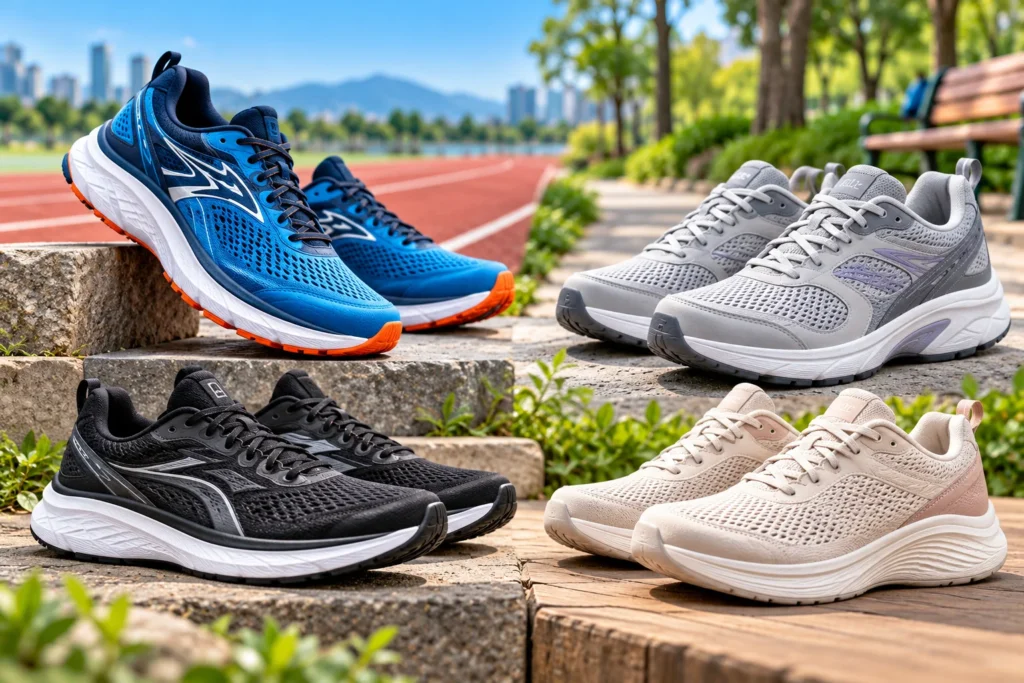
If you’re comparing actual models, these three established options illustrate different footwear priorities. They’re examples to evaluate, not guaranteed matches for every foot.
Availability and model generations change. Always confirm the exact version, width, and specifications before purchasing.
Disclosure: As an Amazon Associate, we may earn from qualifying purchases.
🏆 Best Crossover Option
Brooks Ghost 16
★★★★☆ 4.5/5
A neutral road-running shoe with DNA LOFT v3 cushioning and a 12 mm heel-to-toe drop. Its balanced design makes it a useful model to consider when you need one pair for running and everyday walking. Rating reflects editorial suitability, not customer reviews or personal testing.
👟 Best for Daily Training
New Balance Fresh Foam X 880v15
★★★★☆ 4/5
A neutral daily-running option built around Fresh Foam X cushioning. It’s worth comparing if you want a conventional training shoe that can also accommodate walking. Rating reflects editorial suitability, not verified customer reviews or personal testing.
🚶 Best for Walking-Focused Use
Skechers GO WALK Arch Fit 2.0
★★★★☆ 4/5
A walking-focused model family featuring Arch Fit support-oriented design. It’s worth considering for everyday walking when the fit and arch feel comfortable. Rating reflects editorial suitability, not customer reviews or hands-on testing.
Frequently Asked Questions About Running Shoes vs Walking Shoes
Are running shoes better than walking shoes for everyday use?
Running shoes can work well for everyday wear, particularly if you frequently walk or exercise. However, walking shoes may feel more stable or comfortable for prolonged standing. The better choice depends on your foot shape, daily routine, and the shoe’s actual fit rather than its category.
Is it okay to walk five miles in running shoes?
Yes, walking five miles in comfortable running shoes is generally reasonable. Choose a model with secure heel fit, suitable cushioning, and adequate toe room. If the shoes feel unstable, cause blisters, or create unusual discomfort, consider a different design before increasing your walking distance.
Can beginners use walking shoes for jogging?
A brief, occasional jog in walking shoes doesn’t necessarily cause problems. However, beginners planning regular jogging sessions should choose running shoes built for repeated impacts. Start with a comfortable daily trainer, increase exercise gradually, and stop if discomfort develops.
Do running shoes last longer than walking shoes?
Neither category automatically lasts longer. Longevity depends on construction, mileage, walking surfaces, body mechanics, and maintenance. Running shoes commonly have a suggested replacement range around 300–500 running miles, but comfort, visible deterioration, and changing performance are also important indicators.
Should walking shoes have more arch support than running shoes?
Not necessarily. Both walking and running shoes come with different support designs. Your ideal support depends on comfort, foot mechanics, and activity. A higher arch doesn’t automatically mean you need stronger support, and people with flat feet don’t always require stability shoes.
Final Verdict: Running Shoes or Walking Shoes?
For regular running, choose running shoes designed for your activity and foot shape. For walking, either walking shoes or suitable running shoes can provide excellent comfort.
If you want one versatile pair, a conventional daily-training running shoe is usually the stronger starting point. It can accommodate jogging and walking without requiring two separate purchases.
Most importantly, choose shoes that fit securely, feel comfortable, and match your actual routine. Your feet should make the final decision—not the marketing label.


Steven is a former sportsperson and now a full-time businessman and research writer. He is the mastermind of this site, and he created this site to help people who need specialized shoes for different activities. When he was a sportsperson, he was very passionate about different types of shoes for his sports purpose. The passion he had for shoes at that time now turned into his profession. Besides his shoe business, he loves sharing his knowledge and experience with people and helping them maintain healthy feet.
More Posts
