
Quick Answer
The Under Armour Charged Assert 10 is worth buying for daily walking and short, easy runs at a discount. Its $75 original price, firm Charged Cushioning foam, and thick rubber outsole suit budget shoppers. Skip it for fast workouts or plush cushioning: independent lab tests found just 38.5% forefoot energy return.
What matters most with the Charged Assert 10?
- Best use: walking, errands, gym warm-ups, and relaxed runs.
- Big strength: a durable rubber outsole with 5.3 mm measured thickness.
- Main compromise: a firm ride that lacks spring at faster paces.
Quick Verdict: Should You Buy the Charged Assert 10?
BUY FOR EVERYDAY VALUE
$75 MSRP
A selected color showed $41.28 on Under Armour when checked. Sale prices vary.
Best for: Budget shoppers who walk often and run short, easy miles.
SKIP FOR HIGH-PERFORMANCE RUNNING
38.5%
Forefoot energy return measured by RunRepeat, versus its 61.5% lab average.
Not ideal for: Speed sessions, high-mileage running, or runners seeking a soft bounce.
| Buying factor | Verdict |
|---|---|
| Walking and errands | Good budget fit |
| Short, easy runs | Acceptable if you like firm foam |
| Speed and long runs | Look elsewhere |
| Upper and heel-lining wear | A concern in lab abrasion tests |
| Discount value | Strongest reason to consider it |
Bottom line: Buy the Charged Assert 10 for low-cost daily use, not for a soft, fast running ride.
- Under Armour lists a 10 mm heel-to-toe offset and 9.5 oz stated weight.
- RunRepeat measured 10.5 oz, so shoe size and test methods matter.
- The outsole measured 5.3 mm thick, a major durability advantage.
- Lab testing found weak forefoot energy return and below-average wet traction.
- Check toe room and heel hold carefully before removing the tags.
Looking for one affordable shoe for walks, daily errands, and a few runs? The Under Armour Charged Assert 10 often lands on that shortlist. It looks like a regular road-running shoe, yet its best use is narrower than the name suggests.
I’m Steven Tyler, writing for FootwearHiker. This review draws on Under Armour’s product details, independent lab findings, published wear tests, and customer feedback. I have not personally lab-tested or run in this model, so I will not claim otherwise.
The key question is simple: will its firm cushioning work for your feet? A thick outsole can give you value, but rubber thickness does not make a shoe soft. The sections below explain fit, grip, comfort, and the price that makes sense.
What Is the Under Armour Charged Assert 10 Best For?
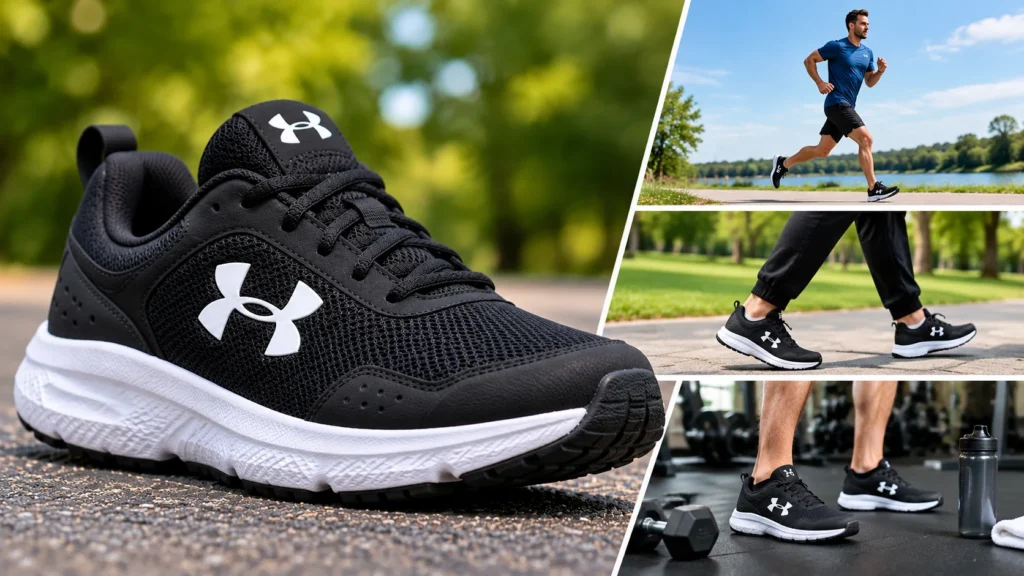
In short, the Charged Assert 10 fits casual walking, general daily use, and shorter runs. It is a neutral road shoe with a firm foam midsole, a breathable mesh upper, and rubber under high-wear areas. It suits someone who wants one affordable athletic shoe rather than a dedicated race trainer.
A sensible main use.
Best for shorter outings.
A poor match for its firm ride.
Research-based assessment; not a firsthand FootwearHiker wear-test score.
Under Armour calls the midsole Charged Cushioning. The foam aims to balance impact protection and long-term shape retention. The brand also adds leather overlays to the mesh upper. Those overlays help reinforce areas that flex or face pressure.
A Deluxe Comfort System sockliner provides a softer first step. But that soft insole sits over firmer foam. The difference explains why a shoe can feel pleasant when first tried on yet less forgiving after several miles.
The brand’s original price is $75. It showed a $41.28 selected-color sale price when checked. Size and color choices can change what you pay. For a broader buying method, use this running shoe review checklist before deciding.
- Good sale-price value
- Firm, steady platform
- Thick outsole rubber
- Padded tongue and collar
- Removable insole
- Low measured energy return
- Not light for a performance runner
- Mixed toe-box fit reports
- Weak upper and heel-lining abrasion scores
- Unconvincing wet grip in one lab test
Under Armour Men’s Charged Assert 10 Shoes
Amazon listing: men’s model. Brand MSRP: $75. Check the live Amazon listing for size, color, stock, and price.
What Are the Full Under Armour Charged Assert 10 Specifications?
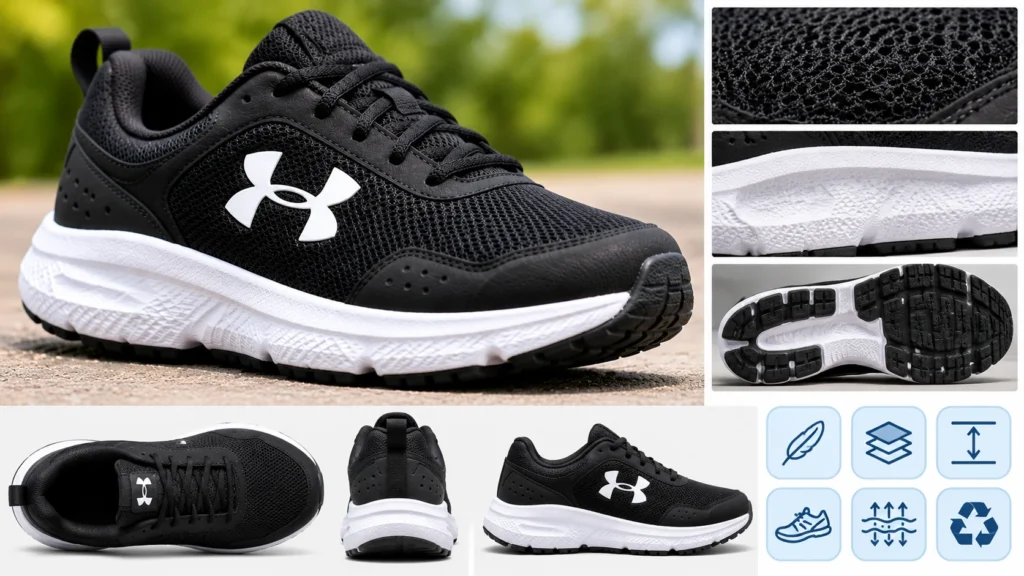
The Charged Assert 10 is a neutral running shoe with a 10 mm listed drop. Under Armour lists a 9.5 oz weight and model number 3026175 for the regular men’s version. Independent tests found some different numbers because the tested size and measurement method can change results.
The table separates brand specifications from independent measurements. That distinction matters for weight, stack height, and fit. Do not treat a laboratory measurement as an official marketing claim.
| Attribute | Detail | Source |
|---|---|---|
| Model / category | 3026175 / neutral road running | Under Armour |
| Midsole | Charged Cushioning foam | Under Armour |
| Upper | Mesh with leather overlays; at least 20% recycled upper content | Under Armour |
| Outsole | Solid rubber in high-impact zones | Under Armour |
| Advertised heel drop | 10 mm | Under Armour |
| Measured heel drop | 9.4 mm | RunRepeat |
| Weight | 9.5 oz listed; 10.5 oz measured by RunRepeat | Both |
| Measured stack height | 32.0 mm heel; 22.6 mm forefoot | RunRepeat |
| Outsole thickness | 5.3 mm measured | RunRepeat |
| Forefoot energy return | 38.5% measured | RunRepeat |
| Lacing / insole | Standard tie / removable footbed in lab test | Both |
| Original U.S. price | $75 | Under Armour |
Under Armour’s listing gives the intended product design. RunRepeat’s laboratory review reports measured dimensions from its tested sample. The two are useful together, but the weight figures should not be mixed without noting their different origins.
A useful way to read the figures is to group them by ride, fit, and wear. The drop and stack affect feel underfoot. Weight and foam affect running ease. Rubber thickness says more about potential outsole life than about comfort. Our running shoe specifications guide explains each trade-off.
How Does Charged Cushioning Feel While Running?
The Charged Assert 10 feels firm and controlled rather than plush or springy. Its Charged Cushioning midsole supports slower strides. Independent testers found less rebound than the average road-running shoe. This matters more on long or fast runs, when runners often want a smoother, livelier transition.
Does the foam absorb enough impact for easy miles?
For short, relaxed runs, the foam can feel adequate if you like a firm shoe. RunRepeat measured 104 SA of heel shock absorption against a 131 SA reference average. That is useful evidence, not a direct prediction of pain or injury. Comfort still depends on how your foot lands.
The 32.0 mm measured heel stack gives some material under the rearfoot. The forefoot holds less at 22.6 mm. This shape helps explain why heel strikers may find it more natural than runners who land far forward.
Will the shoe feel fast for tempo workouts?
No. RunRepeat measured 38.5% forefoot energy return, well below its 61.5% category average. That means the lab recorded less energy coming back during its foam test. The number supports reports of a flatter, less lively ride.
Running Shoes Guru reached a less harsh but related conclusion. Its reviewer found the foam usable for runs around three to five miles, while noting limited softness. That supports light training more than hard intervals or long-distance goals.
If you run only once or twice each week, the firm ride may be a fair trade. If you chase faster times, choose a shoe designed for that pace rather than forcing this model to fill every role.
Is the Under Armour Charged Assert 10 Comfortable for Walking?
Yes, the Charged Assert 10 can work well for daily walking at a modest price. OutdoorGearLab called it a sensible low-mileage walking shoe. Its tester liked the overall durability and useful traction. Still, heel padding and toe pressure caused problems during longer wear.
The tongue uses thick padding. RunRepeat measured 8.5 mm, more than its test-category average of 5.8 mm. That can reduce lace pressure across the top of your foot, especially when walking for errands or commuting.
However, a thick collar is not a guarantee of comfort. OutdoorGearLab’s tester noticed pressure around the Achilles area. The same review described some heel movement during faster steps. A padded shoe can still slip if its shape does not match your heel.
For a normal day of errands, these trade-offs may not matter much. A person standing for a full shift should test the shoe longer. Walk up and down stairs. Check whether the heel stays in place without tight lacing.
Don’t rely only on the first soft step from the sockliner. Walk on a hard floor for several minutes, then decide whether the midsole stays comfortable as the first impression fades.
Does the Under Armour Charged Assert 10 Run True to Size?
Fit reports are mixed, so check both toe space and heel security. Under Armour’s customer summary leans toward true-to-size comfort, while also noting some small-fit complaints. RunRepeat describes a slightly small fit. OutdoorGearLab found a tight toe area in its men’s test pair.
Should you order a half-size larger?
Not without checking your foot length and the return policy. Some shoppers may need extra length, but a longer shoe can make heel slip worse. The right answer depends on your toes, foot volume, and how securely the shoe holds your ankle.
Try your normal size first if you can return it. Aim for comfortable toe movement without rubbing. Check the front gap while standing, not only while seated. Foot length can change a little during weight-bearing.
Is there a wide version for broader feet?
Yes. Under Armour lists a separate Charged Assert 10 Wide (4E) men’s model, style 3026176. That is not the same listing as the regular-width men’s shoe. If your forefoot needs extra space, compare the wide model instead of assuming extra length will fix the width.
RunRepeat’s measured forefoot width was 99.2 mm in its tested regular pair. Yet width at one point cannot describe the whole toe shape. Its big-toe-area measurement and customer comments show why fit checks matter more than a single number.
Use a running shoe fitting checklist to check heel hold, front clearance, and rubbing. If your toes feel squeezed, do not count on painful break-in to solve it.
How Reliable Is the Outsole Grip on Wet Roads?
Dry-road grip is serviceable, but wet grip deserves caution. OutdoorGearLab’s walking tester felt secure on several surfaces, including damp ground. RunRepeat’s controlled traction test produced a much weaker result. These findings differ because surfaces, movement, and test methods are not identical.
RunRepeat recorded a forefoot traction value of 0.26 versus a reference average of 0.53. That is a reason to be careful on slick pavement. It is not proof that every wet sidewalk will cause a slip.
On dry pavement, the outsole’s solid rubber coverage should offer reasonable contact. The shoe is not a trail model, and the tread does not turn it into one. Loose mud, icy streets, and steep wet rock call for more specialized grip.
For rainy commutes, take short steps on smooth tile, painted crossings, or polished stone. No running shoe can cancel the risk of a slick surface. This is a buying limit worth knowing before you make the Assert 10 your only pair.
How Durable Is the Charged Assert 10 After Regular Wear?
The outsole looks like its strongest wear feature, while the upper has weak spots. RunRepeat measured a 5.3 mm outsole, much thicker than its 3.1 mm reference average. OutdoorGearLab also reported little visible sole wear during its walking tests.
Thicker rubber can slow the loss of tread. The trade-off is weight. RunRepeat measured 10.5 oz per shoe in its sample, heavier than the comparison average listed in the same lab review. Durability is useful, but it is not free.
Which parts may wear out first?
RunRepeat gave both toebox fabric durability and heel-padding durability a 1 out of 5 abrasion grade. That contrasts with the thick outsole. A shoe can keep rubber underneath and still develop worn fabric around the toes or heel.
OutdoorGearLab did not see the same early failure during its own wear period. Its reviewer found strong build quality and little outsole damage. These are separate tests, so neither proves a fixed lifespan for every pair.
Inspect the inner heel lining after use. Look for holes where your heel rubs. Check toe creases for thin fabric and examine any peeling near the outsole. Replace a shoe when fit, structure, or grip becomes unsafe, not at an arbitrary mileage number.
Is the Upper Breathable Enough for Hot Weather?
The mesh upper allows airflow, but heat comfort varies by conditions. Under Armour describes it as lightweight and ventilated. OutdoorGearLab found it breathable during walking. Running Shoes Guru described adequate breathability in mild to cool conditions but raised concern about hot-weather runs.
That difference makes sense. Walking moves you at a lower effort than running. Humidity, socks, and foot temperature also shape comfort. Leather overlays add structure but cover part of the mesh surface.
For warm daily use, try thin, moisture-managing socks and dry the shoes between wears. If your feet already run hot, test the pair indoors before committing. A breathable upper does not always mean a cool ride in strong heat.
One useful construction detail is the upper’s recycled content. Under Armour says it contains at least 20% recycled material. That is a material statement, not proof of a longer life or lower total environmental impact.
Can You Use the Charged Assert 10 for Gym Workouts?
Yes, the Charged Assert 10 suits some gym activity, but not every workout. Its firm sole can feel steady during machine training, warm-ups, and basic strength work. It is less convincing for heavy barbell lifting, sharp lateral cuts, and repeated fast runs.
The shoe was designed as a neutral running model. Its geometry supports forward movement rather than side-to-side court play. RunRepeat also notes it can handle beginner cross-training. That does not make it a purpose-built court shoe.
Picture a simple session: five minutes on a treadmill, then cable rows and bodyweight exercises. The Assert 10 can fill that role. A session built around heavy squats or rapid shuttle drills places different demands on the sole.
Our running shoes versus gym guide explains why one shoe can work for light mixed sessions but fall short for specialized training. Buy for the hardest movement you do most often.
Is the Charged Assert 10 Worth the Current Price?
The Charged Assert 10 makes the most sense when sold well below its $75 original price. Under Armour showed a selected-color price of $41.28 when checked. That is a meaningful discount, but available sizes and offers can change. The Amazon price is not verified at the same moment.
At around $40 to $50, the firm ride is easier to accept for errands and short workouts. At the full $75, other neutral shoes deserve a look. A close price does not guarantee a better fit, but it gives you more choices.
Value depends on cost per comfortable use, not only a sale tag. A shoe that rubs your heel is poor value at any price. Check return terms before buying, especially if fit reviews disagree with your own past Under Armour sizing.
Also check the exact color and size in the listing. One low price may apply only to a single variation. Don’t assume the largest discount will appear in your cart.
How Does the Assert 10 Compare With Other Budget Running Shoes?
The Assert 10 competes on price and outsole toughness, not lively foam. Running Shoes Guru has compared it with the Nike Downshifter 12 and ASICS Gel-Excite 10. Those shoes occupy similar everyday price ranges, but fit and ride preferences should guide the choice.
The most useful comparison starts with what you dislike about the Assert 10. If it feels too firm, test a softer model. If the toe area crowds your foot, look for a shape or width that clears the toes without letting the heel lift.
The older Charged Assert 9 is another possible point of reference. RunRepeat described the Assert 10 as a modest update rather than a complete redesign. Don’t assume a higher model number means a lighter or bouncier experience.
If you only need basic walking shoes, compare cushioning and fit before chasing performance claims. If you plan to run several days each week, consider the total training load and choose a model built for that use.
Who Should Buy or Avoid the Under Armour Charged Assert 10?
Buy it for low-cost walking and short easy runs; skip it for speed and plush comfort. The thick outsole can be a real asset. But weak lab rebound, mixed fit, and some upper-wear concerns make it less universal than its broad product description suggests.
- You mainly walk or run short, relaxed distances.
- You like stable, firmer cushioning.
- A good discount matters to your budget.
- The toe box and heel feel secure in your size.
- You want springy foam for quick workouts.
- You run long distances most days.
- You often train on slick wet pavement.
- You need built-in motion-control support.
For someone building a walking habit, this can be a practical starting point. For a runner preparing for a race, it is better treated as casual footwear than a primary training tool. Make the decision from your main use, not from the word “running” on the box.
If your feet need a prescribed support plan, confirm any shoe or insole choice with your qualified clinician. A neutral shoe label does not tell you whether it fits a medical need.
What Do Real Customers and Independent Testers Say?
Customers often praise comfort and value, while test labs point to specific limits. Under Armour displayed a 4.7 out of 5 customer rating across 2,815 ratings when checked. Its review summary praised daily comfort and noted some small-fit concerns.
That customer score is not the same as a controlled performance result. It reflects the people who rated the product on the brand site. Their foot shapes, shoe sizes, and uses vary. It also should not be presented as an Amazon customer rating.
- Under Armour buyers: Many report comfort and good everyday use; some mention sizing issues.
- RunRepeat: The outsole is thick, but energy return and abrasion scores are weak.
- OutdoorGearLab: Useful for low-mileage walks, with heel and toe fit complaints.
- Running Shoes Guru: Adequate for shorter runs, but bulky and firm.
These are not one shared test panel. The conclusions differ because test goals differ. OutdoorGearLab focused on walking performance. RunRepeat put the shoe through lab measurements. Running Shoes Guru discussed the running feel.
I give most weight to the evidence that matches the intended use. If your goal is running speed, rebound tests matter. For errands, the walking test and comfort feedback matter more. Both sets help you make a more informed purchase.
How Should You Clean and Maintain the Charged Assert 10?
Clean it gently, let it air-dry, and protect the heel lining. A soft brush removes loose dirt without scraping the mesh. Use mild soap and a lightly damp cloth for marks. Avoid high heat, harsh cleaners, and aggressive scrubbing.
What is the safest basic cleaning routine?
First, loosen the laces and remove any loose grit. If needed, take out the removable insole. Then wipe the upper and rubber sole with mild soapy water. Use a second damp cloth to clear soap, and let the shoe dry in moving room-temperature air.
Do not force-dry the foam beside a heater. Heat can stress adhesives and materials. The heel lining also deserves gentle care because independent abrasion tests found a weak spot there.
When should you replace the shoes?
Replace the pair when it no longer holds your foot safely or feels consistent. Watch for inner-heel holes, torn mesh, uneven midsole collapse, and badly worn tread. Outsole thickness alone does not tell the whole story.
After sweaty sessions, allow the shoes to dry before storing them. Our running shoe odor guide covers insole care and drying steps. This routine is useful in humid weather and for people who wear one pair almost daily.
Final Verdict: Is the Under Armour Charged Assert 10 Worth Buying?
Yes, for budget-minded walkers and casual runners who prefer a firm sole. The Charged Assert 10 gives you a sturdy outsole, a padded upper, and a simple design. It does not offer the bounce or lower weight that serious runners often seek.
Independent tests and buyers agree on one broad point: this is a value-focused everyday shoe. They differ on toe fit, heel comfort, and wet grip. Those differences are reasons to try the shoe and check return options, not reasons to ignore the evidence.
At a strong discount, it is an easy shoe to consider for errands and short workouts. At the full price, widen the search. The best bargain is still the pair that holds your heel and gives your toes room.
Ready to check your size and current offer?
Frequently Asked Questions
Is the Under Armour Charged Assert 10 good for running?
Yes, the Charged Assert 10 can handle short, easy runs. Its firm foam and steady base work better at relaxed paces. Independent tests found low energy return, so it is less suited to fast efforts and long training sessions. Try it for your normal distance before making it your main running shoe.
Does the Charged Assert 10 run small or true to size?
The fit varies by foot shape. Under Armour customer feedback often describes a good fit, but independent testers found some toe crowding. RunRepeat classified the model as slightly small. Try your usual size first if returns are easy, then assess front clearance and heel hold before deciding to size up.
What is the difference between the Charged Assert 9 and 10?
The Charged Assert 10 is a modest follow-up rather than a major redesign. Independent analysis found changes to outsole and fit details, while the core firm ride remained. If your Assert 9 fit well, do not assume the 10 will match it exactly. Compare both pairs in the same size when possible.
Is the Under Armour Charged Assert 10 good for wide feet?
The regular Charged Assert 10 can feel tight for some wide-foot wearers. Under Armour also offers a separate men’s Wide (4E) model, style 3026176. That version is a more sensible starting point for a broad foot. Always check toe comfort and heel security because width labels do not guarantee a perfect fit.
Can you wear the Charged Assert 10 all day?
Yes, some buyers wear it for daily walking, work, and errands. The padded tongue and sturdy outsole can help with those tasks. However, OutdoorGearLab reported heel pressure and toe discomfort during use. If you stand all day, test the shoe carefully and avoid keeping a pair that starts to rub.
Affiliate Disclosure: As an Amazon Associate, I earn from qualifying purchases. If you click a link on this page and make a purchase, I may receive a small commission — at no extra cost to you. I only recommend products I genuinely believe will help you. This helps keep the site free and running. Thank you for your support.