

Quick Answer
The Nike Alphafly 4 wins for competitive marathon racing. Its carbon-fiber Flyplate, ZoomX LT foam and Air Zoom units target race-day speed. The HOKA Mach 6 is the better everyday choice. It costs $140 at original retail versus the Alphafly 4’s reported $275 US launch price.
Which shoe delivers better value for your running goals?
- Alphafly 4: 39 mm heel stack and an 8 mm drop.
- Mach 6: 5 mm official drop and flexible, non-plated design.
- Mach 6 saves $135 against the reported Alphafly 4 launch price.
Quick Verdict — Nike Alphafly 4 vs HOKA Mach 6
HOKA Mach 6
Editorial assessment
$140 (original US MSRP)
Best for:
Runners who need one versatile shoe for daily miles and faster workouts.
Nike Alphafly 4
Editorial assessment
$275 (reported US launch price)
Best for:
Competitive runners who want a dedicated carbon-plated marathon shoe.
| Category | Mach 6 | Alphafly 4 |
|---|---|---|
| Overall for most runners | 🏆 | — |
| Best original retail value | 🏆 | — |
| Marathon racing | — | 🏆 |
| Daily training versatility | 🏆 | — |
| Carbon-plated technology | — | 🏆 |
Bottom line: The Alphafly 4 wins for competitive racers because of its dedicated racing platform. The Mach 6 wins for everyday runners who want versatility and lower costs.
- The Alphafly 4 is the stronger choice for dedicated marathon racing.
- The Mach 6 had a $140 original retail price, versus $275 for the Alphafly 4.
- Competitive runners gain a carbon plate and Air Zoom units with Nike.
- Recreational runners get a more flexible training option with HOKA.
- The biggest difference is purpose: racing performance versus daily versatility.
Choosing between the Nike Alphafly 4 and HOKA Mach 6 can be tricky. Both shoes target runners, but they solve different problems. One focuses on race-day performance. The other handles daily training and faster workouts.
I’m Steven Tyler, and I write running shoe reviews for Footwear Hiker. My work focuses on product research, shoe specifications, independent testing and runner feedback. This comparison uses published product data and independent laboratory findings. It is not a claim of a new hands-on mileage test.
The Alphafly 4 costs far more than the Mach 6 at their reported US launch and original retail prices. That gap makes the buying decision important. Let’s look at what the extra money buys.
What Is the Nike Alphafly 4 Designed to Do?
Best use: Marathon racing and fast road competition.
Not ideal for: Runners who need one affordable shoe for every workout.
Reference price: $275 reported US launch price. Check current offers.
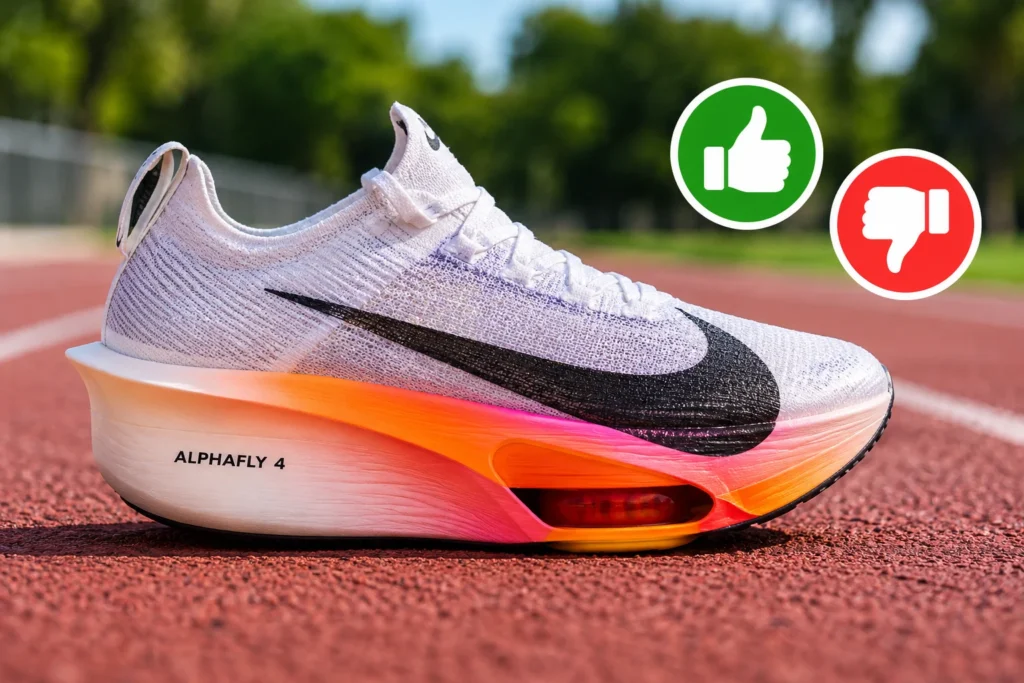
The Nike Alphafly 4 is a premium road racing shoe built for speed over long distances. It combines ZoomX LT foam, ZoomX cushioning, Air Zoom units and a carbon-fiber Flyplate. These parts work together to create a highly responsive racing platform. The shoe targets runners who want a dedicated race-day option.
Nike lists a 39 mm heel stack and a 31 mm forefoot stack. That creates an official 8 mm heel-to-toe drop. Nike also lists a 208 g weight for a men’s UK size 9. Weight changes with shoe size.
The new AtomKnit upper uses zoned support cables. It aims to hold the foot without adding excess weight. The redesigned Air Zoom system and wider Flyplate are key updates. They focus on a smoother and more stable racing feel.
The reported US launch price is $275. Regional prices and current offers can differ. Most buyers considering this shoe should focus on race performance first. A daily trainer offers better value for regular easy miles.
What Makes the Alphafly 4’s ZoomX LT Foam Different?
The Alphafly 4 uses ZoomX LT foam with ZoomX cushioning to create a responsive ride. Nike designed this combination for speed and long-distance efficiency. The foam works with the carbon plate and Air Zoom units. It is not simply a soft daily trainer midsole.
Runners should not treat energy return as a promise of faster times. Lab results measure material response under set conditions. Race performance also depends on pace, fitness, form and comfort. A shoe that feels fast for one runner may not suit another.
How Does the Alphafly 4 Carbon Plate Work?
The carbon-fiber Flyplate gives the Alphafly 4 a stiff and propulsive feel. It helps guide the foot through toe-off. Its wider design works with the foam platform. The result is a shoe made for fast road running, not casual walking.
That stiffness can feel unusual for runners new to plated shoes. Some runners enjoy the forward transition. Others prefer a more flexible shoe. Try the Alphafly 4 at your target race pace before race day.
What Are the Nike Alphafly 4 Pros and Cons?
- Carbon-fiber Flyplate.
- ZoomX LT and ZoomX cushioning.
- Redesigned Air Zoom units.
- Lightweight race-focused design.
- 39 mm heel stack.
- High purchase cost.
- Not ideal as a daily trainer.
- Stiff feel may not suit every runner.
- Fit needs testing before racing.
Premium carbon-plated footwear with ZoomX LT cushioning and Air Zoom technology.
Reference price: $275 reported US launch price.
Best for: Marathon racers and runners chasing road personal records.
What Is the HOKA Mach 6 Designed to Do?
Best use: Daily road running, tempo sessions and mixed training.
Not ideal for: Runners who need a carbon-plated race shoe or a broad standard toe box.
Original retail price: $140 in the United States.
The HOKA Mach 6 is a lightweight neutral road trainer for regular running. It uses supercritical EVA foam and a curved sole shape. Its design supports easy miles, tempo sessions and faster workouts. Unlike the Alphafly 4, the Mach 6 does not use a carbon plate.
The men’s shoe weighs around 232 g in independent testing. Its official heel-to-toe drop is 5 mm. The creel jacquard mesh upper provides a secure fit. Strategic rubber coverage protects key areas of the outsole.
The Mach 6 originally retailed for $140 in the United States. Current Amazon prices can differ by size, color and seller. Older models can also sell at clearance prices. Check the selected size before comparing offers.
Its main strength is versatility. You can use it for regular road miles and faster sessions. It does not have the same race-specific design as the Alphafly 4. For most recreational runners, that is a useful trade-off.
How Does Supercritical EVA Foam Feel?
The Mach 6 uses supercritical EVA foam for a responsive daily ride. The foam keeps the shoe light while providing cushioning. It does not feel like a rigid racing platform. This makes the shoe easier to use across different training paces.
Independent laboratory testing reported around 67% forefoot energy return. That result helps explain its lively feel. It does not prove a specific speed gain. Running economy depends on the runner and the conditions.
Is the HOKA Mach 6 Good for Daily Training?
Yes, the Mach 6 is better suited to daily training than the Alphafly 4. Its flexible, non-plated design works across a wider range of paces. A runner can use it for easy miles, steady runs and tempo workouts.
Its light build also helps during longer training weeks. You do not need a dedicated race shoe for every workout. However, runners who want a softer ride may prefer a more cushioned model. Foot shape also matters.
Read our HOKA Mach 6 review for a closer look at fit, cushioning and daily use.
What Are the HOKA Mach 6 Pros and Cons?
- Lightweight daily trainer.
- Responsive supercritical EVA foam.
- Flexible, non-plated design.
- Useful for tempo workouts.
- Lower original retail price.
- Tapered toe box can feel narrow.
- No carbon plate.
- Less specialized for marathon racing.
- Not a dedicated stability shoe.
A versatile road trainer with supercritical EVA cushioning and a flexible platform.
Original retail price: $140.
Best for: Daily miles, tempo workouts and recreational runners.
What Are the Full Nike Alphafly 4 vs HOKA Mach 6 Specifications?
The Alphafly 4 is taller at the heel and includes a carbon plate. The Mach 6 uses a lower official drop and a flexible foam platform. Their weight, cushioning and purpose also differ. These specifications explain why the shoes feel so different during road running.
| Specification | Nike Alphafly 4 | HOKA Mach 6 | Winner |
|---|---|---|---|
| Category | Racing shoe | Daily trainer | Depends on use |
| Original US price | $275 reported launch price | $140 | Mach 6 |
| Weight | 208 g, men’s UK 9 | Around 232 g, lab sample | Alphafly 4 |
| Heel stack | 39 mm | Around 36–37 mm | Alphafly 4 |
| Forefoot stack | 31 mm | Around 26–32 mm, by method | Not directly comparable |
| Official drop | 8 mm | 5 mm | Personal preference |
| Midsole | ZoomX LT and ZoomX | Supercritical EVA | Different purposes |
| Carbon plate | Yes | No | Alphafly 4 |
| Air Zoom units | Yes | No | Alphafly 4 |
| Upper | AtomKnit | Creel jacquard mesh | Personal preference |
| Support | Neutral | Neutral | Tie |
| Best use | Road racing | Daily training | Depends on use |
Do not compare stack measurements without checking the source. Manufacturers and independent labs can use different methods. Shoe size also changes measured weight. The figures above are reference values, not a direct same-size laboratory test.
Which Shoe Delivers Better Speed and Racing Performance?
The Nike Alphafly 4 wins for competitive racing. Its carbon-fiber Flyplate, Air Zoom units and ZoomX cushioning create a race-focused platform. The Mach 6 is lighter in purpose than a traditional comfort trainer, but it lacks the plate and air system. That makes it better for training than dedicated race-day performance.
The Alphafly 4 aims to help runners maintain speed over long road distances. Its foam and plate work together during each step. The Mach 6 offers a more natural and flexible feel. That can suit runners who prefer a traditional training shoe.
Does the Carbon Plate Make the Alphafly 4 Faster?
The carbon plate makes the Alphafly 4 stiffer and more race-focused. It helps guide the foot toward toe-off. The plate does not make every runner faster by itself. Training, pacing and comfort still affect race results.
The Mach 6 bends more naturally because it has no carbon plate. That makes it useful for daily mileage. Some runners also prefer its less aggressive ride. The best choice depends on your race goals and personal stride.
Which Shoe Has Better Energy Return?
The Alphafly 4 has the more advanced race-focused cushioning system. Its ZoomX LT foam, ZoomX and Air Zoom units target high responsiveness. The Mach 6 uses supercritical EVA foam for a lively daily ride. Independent lab measurements should be read within their own test conditions.
RunRepeat reported around 79.9% forefoot energy return for the Alphafly 4 and around 67% for the Mach 6. These results suggest a difference in foam response. They do not prove that one runner will finish a race faster.
Which Shoe Is Better for a Half Marathon?
The Alphafly 4 is the stronger choice for runners chasing a half-marathon personal best. Its racing design targets speed and efficiency. The Mach 6 remains a practical option for runners who value comfort and familiar flexibility over race-specific stiffness.
Do not save the Alphafly 4 for race day without testing it. Use it during shorter race-pace sessions first. Check how the upper, plate and cushioning feel as your legs tire.
Which Shoe Offers Better Comfort, Fit and Daily Training Performance?
The HOKA Mach 6 wins for everyday comfort and training versatility for most runners. Its flexible design handles more types of sessions. The Alphafly 4 has a highly cushioned race platform, but its stiff construction and high price make it less practical for routine mileage.
Comfort is personal. A runner who likes a firm, fast shoe may enjoy the Alphafly 4. Another runner may prefer the Mach 6 for its easier daily feel. Neither shoe should cause pressure, numbness or pain.
Which Shoe Fits Wide Feet Better?
The Mach 6 is the more practical choice if you can find its wide version. Its standard toe box has a tapered shape. Some runners report pressure near the toes. The Alphafly 4 also uses a close performance fit, so wide-foot runners should test it carefully.
Do not size up only to create extra width. A shoe that is too long can cause heel slip. Check toe space while standing and during a short jog. Your toes should move without hitting the front.
Which Shoe Is Better for Long Training Runs?
The Mach 6 is the better option for regular long training runs. Its flexible construction works at easy and steady paces. The Alphafly 4 can suit race-specific long sessions, but it is expensive to use for every training mile.
Some runners use a daily trainer for most miles and save a super shoe for key workouts. This approach keeps the race shoe fresh. It also helps reduce the cost of training.
Can Beginners Use the Nike Alphafly 4?
Beginners can use the Alphafly 4 if it fits and feels comfortable. However, most new runners do not need a premium carbon-plated shoe. The Mach 6 is a more practical first choice for building a steady running routine.
New runners should focus on fit, comfort and gradual training. A shoe cannot replace a sound training plan. Start with manageable distances and increase mileage slowly.
Which Running Shoe Offers Better Price and Value?
The HOKA Mach 6 wins on original retail value. Its US retail price was $140, while the Nike Alphafly 4’s reported US launch price was $275. That creates a $135 difference. The Mach 6 gives everyday runners a lower-cost option without a dedicated racing platform.
Actual prices change by seller, color and size. The Alphafly 4 may sell near or above its launch price when stock is limited. Older Mach 6 pairs may receive discounts. Compare the checkout price, return policy and shipping cost before buying.
Is the Nike Alphafly 4 Worth $275?
Yes, the Alphafly 4 can be worth $275 for runners who race often and value its technology. The carbon plate, ZoomX LT foam and Air Zoom system target marathon performance. It is harder to justify for casual running or a first pair of shoes.
Think about how often you race. A runner who enters several events each year may value a dedicated race shoe. Someone who runs three easy sessions each week can spend less and get more use from a daily trainer.
Is the HOKA Mach 6 Worth $140?
Yes, the Mach 6 offers good value at its original $140 price for runners who like its fit. It handles easy runs and faster workouts. The value improves when a retailer discounts older colorways.
However, check the newer Mach model before buying. A small price gap can change the decision. Compare the fit, ride and return terms rather than choosing by model number alone.
How Does Cost Per Mile Change the Decision?
Cost per mile depends on how long you use each shoe. A lower purchase price does not guarantee lower cost if the shoe wears out early. A premium racing shoe can still make sense when it improves a runner’s race experience.
For example, a $140 daily trainer used for 400 miles costs $0.35 per mile. A $275 race shoe used for 250 miles costs $1.10 per mile. These are examples, not lifespan claims for either model.
Use your own mileage and replacement history for a fair estimate. Inspect the outsole and midsole often. Replace shoes when comfort, grip or structure declines.
Which Shoe Has Better Durability, Stability and Traction?
The HOKA Mach 6 is the more practical shoe for regular road mileage. Its strategic rubber coverage protects key outsole zones. The Alphafly 4 is designed around racing performance and low weight. Neither shoe should be treated as a trail or ice-running shoe.
Durability depends on surface, gait, body weight and weekly mileage. A runner who drags one heel can wear through the outsole faster. Another runner may see more foam compression than visible rubber damage.
Which Outsole Resists Wear Better?
Independent abrasion testing reported less outsole wear for the Mach 6 sample. RunRepeat measured around 0.6 mm of abrasion depth for the Mach 6 and around 2.9 mm for the Alphafly 4. Lower abrasion depth indicates better resistance under that test method.
Lab abrasion is not the same as real-world shoe lifespan. Road surfaces and running form change wear patterns. Check the outsole after regular use. Do not rely on a single test to predict your replacement date.
Which Shoe Feels More Stable?
The Alphafly 4 uses a wider Flyplate and connected platform to support its racing design. The Mach 6 offers a more flexible neutral ride. Neither model replaces a dedicated stability shoe for runners who need structured support.
Try both shoes on a safe, flat surface. Walk, jog and turn gently. A stable shoe should feel secure without forcing your foot into an awkward position.
Are These Shoes Safe in Cold or Wet Weather?
Neither shoe is a specialist winter running shoe. Wet roads can reduce grip, and cold conditions can change how foam feels. Use extra care on painted lines, metal covers and slick pavement.
The Alphafly 4’s racing design does not make it suitable for ice. The Mach 6 also lacks deep trail lugs. Choose a purpose-built trail or winter shoe when the route has snow, ice or loose ground.
Do not test a new carbon-plated shoe for the first time during a race. Break it in during controlled training. Stop running if you feel sharp pain, numbness or unusual pressure.
Which Shoe Wins in Real-World Running Scenarios?
The Alphafly 4 wins when race-day performance is the main goal. The Mach 6 wins for daily training and general use. The right shoe depends on the session, pace and runner. A single model does not need to handle every workout.
| Running scenario | Winner | Reason |
|---|---|---|
| Competitive marathon | Alphafly 4 | Dedicated carbon-plated racing design. |
| Half-marathon personal best | Alphafly 4 | Race-focused cushioning and plate. |
| Daily 5 km runs | Mach 6 | Flexible and more affordable. |
| Tempo training | Mach 6 | Versatile non-plated ride. |
| Beginner training | Mach 6 | Practical daily running platform. |
| Budget purchase | Mach 6 | Lower original retail price. |
| Race-specific long workout | Alphafly 4 | Closer to race-day shoe feel. |
Which Shoe Should You Use for a Marathon?
Choose the Alphafly 4 if you want a dedicated marathon racing shoe and its fit works for you. Its plate, foam and Air Zoom units target fast road running. The Mach 6 is better for training toward the marathon, not for runners seeking the same race-focused design.
Which Shoe Is Better for Everyday 10K Runs?
The Mach 6 is the better choice for everyday 10K runs. Its flexible platform and lower cost make it more practical for repeated training. The Alphafly 4 can handle fast running, but its premium race design is unnecessary for most easy sessions.
Which Shoe Should You Choose for a Running Club?
The Mach 6 is the more practical club shoe for mixed training. It suits steady runs, tempo sessions and regular mileage. Competitive club runners can keep the Alphafly 4 for key workouts and races. That gives each shoe a clear role.
Who Should Buy the Nike Alphafly 4 or HOKA Mach 6?
Buy the Alphafly 4 if you race often and want a premium carbon-plated shoe. Buy the Mach 6 if you need a versatile daily trainer at a lower cost. Most recreational runners should start with the Mach 6. Dedicated racers may benefit from owning both.
- You race marathons or half marathons.
- You want carbon-plate technology.
- You prefer a race-focused ride.
- You can afford a premium shoe.
- You have tested the fit before racing.
- You need one daily running shoe.
- You mix easy runs and tempo sessions.
- You prefer a flexible platform.
- You want a lower purchase price.
- The toe box fits your foot well.
Who Should Avoid Both Shoes?
Runners who need strong motion control should look at a dedicated stability shoe. Those who need a broad toe box should try several shapes before buying. Runners on technical trails should choose footwear with suitable lugs and grip.
Consider the ASICS Gel-Kayano range for structured support. The HOKA Gaviota line is another option for runners seeking a stability-focused design. For a more flexible speed trainer, compare the Saucony Endorphin Speed series.
What Are Real Buyers Saying About Both Running Shoes?
Public feedback should be read with care. Product ratings and review counts change over time. Amazon listing access was not available for direct verification in this research session. Therefore, this section does not invent star ratings, buyer totals or Amazon review quotations.
Race-focused feedback themes
- Responsiveness at race pace.
- Long-distance cushioning comfort.
- Secure midfoot hold.
- Premium purchase cost.
- Fit and plate stiffness preferences.
Daily-training feedback themes
- Lightweight ride.
- Versatile training use.
- Responsive foam feel.
- Tapered toe box.
- Limited comfort for some wide feet.
These are product evaluation themes, not a verified statistical summary of Amazon reviews.
Before ordering, check reviews for your exact size and color. Read comments about toe space, heel hold and long-run comfort. A high average rating cannot guarantee that a shoe will fit your feet.
For the Mach 6, pay close attention to forefoot width. For the Alphafly 4, look for comments about race-pace comfort and the feel of its plate. Verified reviews should help you confirm the fit rather than replace a proper shoe test.
How Should You Maintain Your Running Shoes?
Clean both shoes with a soft brush and mild soap. Let them dry at room temperature. Avoid direct heat, which can affect foam, glue and upper materials.
Good care helps both shoes stay comfortable for longer. Remove loose dirt after muddy or wet runs. Use a soft cloth and gentle soap for surface marks. Do not use harsh chemicals or place the shoes in a hot dryer.
Remove the insoles when they need separate cleaning. Let the shoes dry fully before wearing them again. Keep them away from heaters and direct sunlight. Heat can affect adhesives and shoe materials.
Rotate shoes if you run most days. A second pair gives each shoe time to dry. It also helps you notice changes in cushioning and grip.
How Should You Store Carbon-Plated Running Shoes?
Store the Alphafly 4 in a cool, dry place. Do not crush the upper or bend the plate by force. Keep the shoe away from direct heat and heavy objects. Check the outsole before each important race.
When Should You Replace Your Running Shoes?
Replace running shoes when the cushioning feels flat or the outsole loses grip. There is no exact mileage that fits every runner. Check for uneven wear, damaged foam, loose seams and repeated discomfort.
Do not keep using a shoe just because its upper looks clean. Foam can lose its feel before the outside looks worn. Your comfort and running safety should guide the decision.
How Was This Nike Alphafly 4 vs HOKA Mach 6 Comparison Researched?
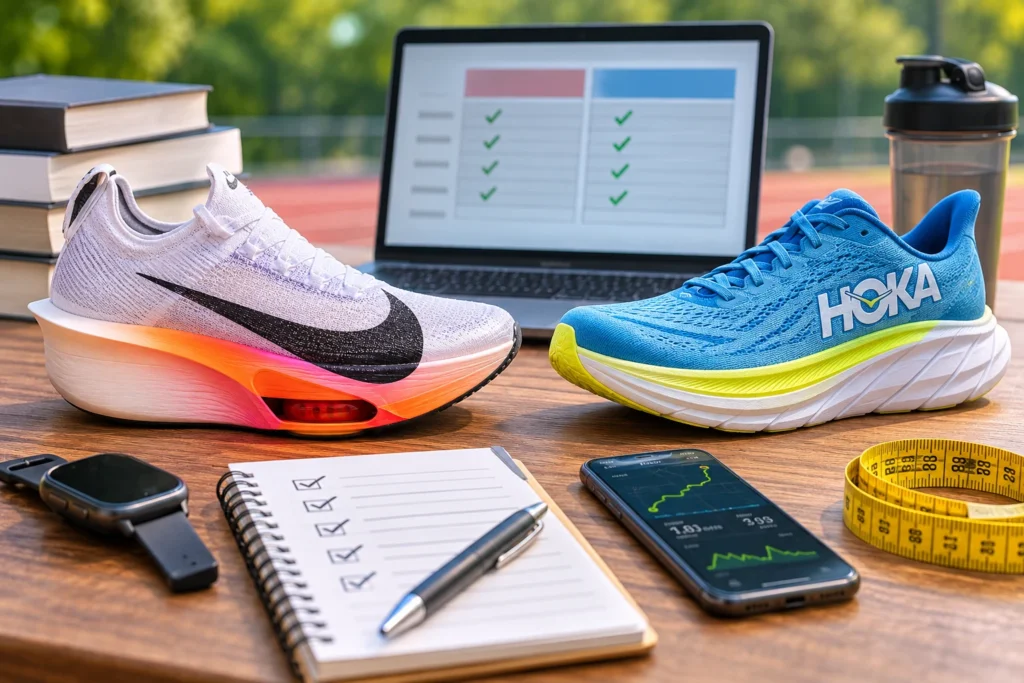
This comparison uses published manufacturer specifications, product information and independent laboratory findings. Nike’s published Alphafly 4 details cover its stack, weight, foam, Air Zoom system and carbon plate. HOKA’s Mach 6 information supports its daily-training purpose and original retail positioning.
Independent measurements help explain weight, energy return and outsole wear. These results are useful for comparison, but they do not replace a controlled head-to-head test. Different sizes and measurement methods can produce different figures.
This article does not claim that Steven Tyler personally ran in both shoes for a fixed mileage test. It also does not present unverified Amazon ratings as fact. Prices and stock can change, so check the live product listing before buying.
Research references:
- Nike Alphafly 4 official product information
- Nike Alphafly 4 product specifications
- Footwear Hiker author and review process
Final Verdict — Should You Spend More on Nike Alphafly 4?
The HOKA Mach 6 is the better overall purchase for most recreational runners. Its original $140 price, flexible design and daily-training range offer practical value. The Nike Alphafly 4 is the clear performance choice for competitive marathon racing. Its carbon plate, ZoomX LT foam and Air Zoom system justify the higher cost only when race performance is your priority.
If you need one shoe for regular runs, choose the Mach 6. If you already own a daily trainer and want a dedicated race shoe, consider the Alphafly 4. Most buyers should choose based on fit, training goals and actual sale price rather than brand prestige.
The Mach 6 is not a slower version of the Alphafly 4. It serves a different purpose. A flexible trainer can be the smarter purchase even when a racing shoe has more advanced technology.
Nike Alphafly 4 Road Racing Shoe
Best choice for runners who want a premium carbon-plated shoe for race day.
HOKA Mach 6 Neutral Road Running Shoe
Best choice for daily running, mixed training and lower purchase costs.
Frequently Asked Questions
Which Is Better, Nike Alphafly 4 or HOKA Mach 6?
The HOKA Mach 6 is better for most daily runners, while the Nike Alphafly 4 is better for competitive racing. The Mach 6 costs less and handles more training sessions. The Alphafly 4 offers a carbon plate, ZoomX LT foam and Air Zoom units for race-focused performance.
What Is the Difference Between Nike Alphafly 4 and HOKA Mach 6?
The biggest difference is their purpose and construction. The Alphafly 4 is a carbon-plated racing shoe with Air Zoom units. The Mach 6 is a flexible daily trainer with supercritical EVA foam. Their cushioning, weight, price and intended running sessions differ.
Is the Nike Alphafly 4 Worth the Extra Money?
The Alphafly 4 is worth the extra money for runners who value dedicated marathon racing technology. Its reported US launch price is $275, compared with the Mach 6’s original $140 retail price. Recreational runners usually get better everyday value from the Mach 6.
Can You Use the Nike Alphafly 4 for Daily Training?
You can use the Alphafly 4 for selected training sessions, but it is not the best daily shoe for most runners. Its premium price and stiff racing design make regular mileage costly. A flexible trainer such as the Mach 6 is more practical for everyday runs.
Is the HOKA Mach 6 Good for Marathon Training?
Yes, the Mach 6 can work well for marathon training. Its responsive foam and flexible platform suit easy runs, steady miles and tempo sessions. Runners chasing a personal best can use a separate race shoe for key workouts and the marathon itself.
Affiliate Disclosure:
As an Amazon Associate, I earn from qualifying purchases.
If you click a link on this page and make a purchase,
I may receive a small commission — at no extra cost to you.
I only recommend products I genuinely believe will help you.
This helps keep the site free and running. Thank you for your support.


