

Quick Answer
The ASICS Superblast 2 is still a strong buy for runners who want one shoe for long runs, daily miles, and steady tempo work. Its 45 mm heel stack, 8 mm drop, and plate-free design offer a cushioned yet controlled ride. The catch is price: a discount matters now that the Superblast 3 exists.
What matters most when choosing the Superblast 2?
- Best use: long road runs that mix easy and faster miles.
- Big strength: high cushioning without a rigid carbon plate.
- Main drawback: premium cost and a snug, tapered toe area.
Quick Verdict: Is the ASICS Superblast 2 Worth It?
ASICS SUPERBLAST 2
Best for long runs
Original US list price: $200. Recent discounts have reached about $149–$150, but actual prices depend on size, seller, and stock.
Buy if: You want one plate-free trainer for distance, steady speed, and daily use.
Linked ASIN identifies one Superblast 2 listing. Confirm color, size, seller, and price before purchase.
INDEPENDENT TEST HIGHLIGHTS
Cushioned, not a racer
- RTINGS cushioning score: 8.6/10.
- RTINGS stability score: 7.5/10.
- RTINGS bounciness score: 6.8/10.
- RunRepeat forefoot energy return: 65.5%.
- No carbon or nylon propulsion plate.
These are third-party results, not tests performed by this site.
| Buying question | Verdict |
|---|---|
| Best overall use | Long, mixed-pace road runs |
| Comfort and protection | Strong for a neutral trainer |
| Fast racing | Choose a dedicated racer instead |
| Wide feet | Try on before buying |
| Value | Most appealing at a clear discount |
Bottom line: The Superblast 2 remains a smart distance-training pick, especially on sale; at full price, compare the newer Superblast 3 first.
- The Superblast 2 combines a 45 mm heel stack with a 250 g listed weight.
- Its original $200 price is easier to justify with a meaningful sale.
- FF TURBO PLUS foam supports a lively feel without a rigid plate.
- A 118.8 mm lab-measured forefoot platform adds reassuring landing width.
- Its snug toe shape matters more than its broad-looking sole.
You’ve heard the praise. One running shoe can handle easy days, long runs, and speed work. But can the ASICS Superblast 2 do all that without costing too much?
I’m Steven Tyler, and this review looks at the shoe from a buyer’s point of view. I use ASICS specifications, published lab measurements, and named reviewers’ running reports. I won’t claim miles I haven’t personally logged.
The Superblast 2 stands out because it feels different from a normal cushioned trainer. Its thick foam protects the foot, while the shoe remains light for its size. Yet that doesn’t mean every runner needs it. Fit, pace, surface, and price still decide whether the shoe makes sense.
There’s one more detail to consider. The Superblast 3 is now available. That changes the value of the older model, even though the Superblast 2 remains capable. Below, you’ll see the exact specifications, independent test findings, common complaints, and clear reasons to buy or skip.
What Is the ASICS Superblast 2 Designed to Do?
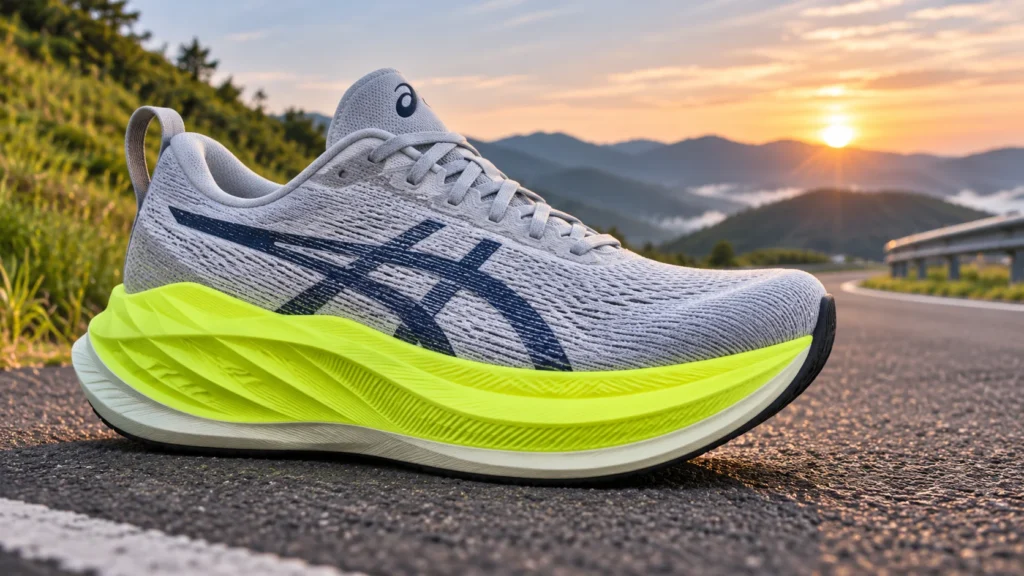
In short, the ASICS Superblast 2 is a neutral road shoe built for high-cushion training at mixed speeds. It blends a tall foam stack with a smooth, rockered shape. The goal is comfort over distance without making faster efforts feel too hard.
ASICS places FF TURBO PLUS foam above FF BLAST PLUS ECO foam. The upper uses engineered woven material. ASICSGRIP rubber covers key outsole areas. These parts target energy return, foot security, and road traction.
The shoe has no carbon-fiber plate. That fact matters because some runners dislike the stiff feeling of plated trainers. Others want a single daily shoe instead of separate models for long runs and workouts.
Independent reviewers, including The Run Testers, rate its mixed-pace long runs as a standout use. Their conclusion reflects actual road testing. It does not mean the shoe beats lighter, plated racers at every speed.
What Are the Main Pros and Cons?
Primarily, the shoe’s strengths come from its cushion-to-weight balance and broad range of useful paces. Its weaknesses come from cost, fit, and its less aggressive response at top speed.
Pros
- High 45 mm listed heel cushioning
- Light 250 g listed weight for the stack
- Works for steady and faster long runs
- Broad base helps neutral-shoe stability
- Good outsole grip in independent lab work
Cons
- Original $200 price is high for a trainer
- Toe area can feel tapered
- Thin tongue may expose lace pressure
- Not as snappy as a dedicated race shoe
- Tall stack may feel awkward on rough ground
What Are the ASICS Superblast 2 Specifications?
Essentially, the Superblast 2 has an 8 mm heel-to-toe drop, a 45 mm listed heel stack, and a 37 mm forefoot stack. ASICS lists its weight at about 250 g, or 8.8 ounces. These figures describe the standard reference shoe.
Published laboratory measurements can differ from brand numbers. Testing methods, sample sizes, and included insoles can all change results. This is why the table separates maker specifications from independent measurements.
| Specification | ASICS Superblast 2 | Why it matters |
|---|---|---|
| Type | Neutral road super trainer | Not a motion-control shoe |
| Listed heel / forefoot stack | 45 mm / 37 mm | Deep foam underfoot |
| Listed drop | 8 mm | Moderate heel offset |
| Listed weight | 250 g / 8.8 oz | Low weight for this stack |
| Foam | FF TURBO PLUS + FF BLAST PLUS ECO | Energy return with base support |
| Plate | None | Less rigid than plated racers |
| Upper | Engineered woven mesh | Breathability and fit |
| Outsole | ASICSGRIP rubber | Road traction |
| RunRepeat measured forefoot width | 118.8 mm platform | Wider landing base |
| Original US price | $200 | Premium buying decision |
For the maker’s technical claims, consult the official ASICS product announcement. Independent lab measurements appear in the RunRepeat Superblast 2 tests.
How Does the Superblast 2 Cushioning Feel on the Road?
In short, the Superblast 2 feels cushioned and controlled, rather than soft and sinking. The top foam adds spring. The lower layer keeps the shoe from feeling loose underfoot. That balance suits long sessions with changing pace.
ASICS reports that its FF TURBO PLUS foam improves energy return over the foam in the original Superblast. That is a maker comparison of materials, not a guaranteed speed gain for every runner. Running economy depends on the whole shoe and the person wearing it.
RunRepeat measured 65.5% forefoot energy return. Its comparison average was 61.5%. The same lab found a firm-to-balanced midsole rather than a marshmallow-soft one. This helps explain why the shoe can feel steady despite its thick platform.
RTINGS awarded cushioning 8.6 out of 10 but bounciness 6.8. Those scores are not a contradiction. A shoe can absorb impact well without providing a dramatic trampoline feel at each stride.
Is the Superblast 2 Too Firm for Recovery Runs?
Mainly, it depends on the feel you prefer. The Superblast 2 has enough foam for slow miles. Yet a runner seeking a deep, plush feel may prefer a dedicated comfort shoe.
For example, consider a gentle 5 km run after a hard workout. The Superblast 2 can handle that pace. Still, its firmer, more energetic character adds less value than it does during a 20 km progression run. This is a matter of ride style, not a safety flaw.
Is the ASICS Superblast 2 Good for Easy Runs, Tempo Runs, and Long Runs?
The Superblast 2 works best for long runs, especially when pace changes during the session. It also handles daily runs and moderate tempo work. Dedicated racing shoes remain the stronger choice for short, sharp events where low weight and aggressive propulsion matter most.
Think about a 16 km run with 10 easy kilometers and 6 at marathon effort. A versatile shoe avoids a change of footwear between parts. The Superblast 2’s smooth rocker and high cushioning help support that kind of session.
At faster interval speeds, the tall shoe starts to feel large. OutdoorGearLab testers found it usable for hard repeats but less ideal than lighter racing options. That’s a meaningful limit if most of your workouts are fast 400-meter efforts.
At slow speeds, the ride remains stable and smooth. It does not require fast running to work. However, runners who only jog short distances can save money with a simpler daily trainer.
How Does the ASICS Superblast 2 Fit, and Is It True to Size?
Primarily, the Superblast 2 runs true to size for many standard-width feet, but its toe shape can feel snug. The broad outsole does not mean the inner shoe is broad. This difference deserves attention when ordering online.
RunRepeat measured an internal width of 94.7 mm and a toe-area width of 72.3 mm. Those figures sit near, or slightly below, its category averages. The shoe’s 118.8 mm forefoot platform is much wider than its upper.
That design makes sense for running stability. The broad sole helps the landing. The upper holds the foot in place. Yet runners with a wide forefoot, bunions, or a need for toe splay should check the actual fit before buying.
The woven upper breathes well in published testing. A semi-gusseted tongue helps keep the midfoot secure. But the thin tongue can allow pressure from tight laces. A runner with a high instep should try several lacing tensions.
Fit tip: Leave about a thumb’s width in front of your longest toe. Check the fit after standing, not only while seated. If your toes press sideways, don’t assume more running will fix it.
Does the Superblast 2 Have Enough Grip and Stability?
Yes, the Superblast 2 offers solid grip on normal roads and good stability for a neutral shoe. ASICSGRIP rubber helps on paved ground. Its wide sole provides a secure platform during straight-ahead running.
RunRepeat measured forefoot traction at 0.83, compared with a 0.53 test average. That is a strong lab result within its method. It does not mean the shoe is safe on ice, mud, or every wet surface.
The same lab measured a 97.6 mm heel base and 118.8 mm forefoot base. Extra platform width helps reduce the unstable feeling of a tall foam stack. RTINGS also gave stability a 7.5 out of 10.
Even so, this remains a neutral trainer. It has no custom motion-control system for severe overpronation. Runners needing guided support should compare a stability model rather than relying on sole width alone.
Surface warning: Choose a trail shoe for mud, loose rocks, or steep off-road paths. Thick road shoes can feel less precise on uneven ground.
How Durable Is the ASICS Superblast 2?
In short, independent tests suggest the Superblast 2 has promising upper and outsole durability. That does not guarantee a fixed mileage for every runner. Wear depends on body weight, gait, road texture, and how often the same pair is used.
RunRepeat rated the toe material and heel lining at 4 out of 5 in its durability tests. Its outsole abrasion test removed 0.5 mm of material, against a 1.1 mm average. These are controlled tests, not a promise that every pair lasts twice as long.
Long-term user reports offer useful context. Some RunningShoeGeeks contributors describe using the model for hundreds of miles. Their experiences show the shoe can hold up well, but forum reports are self-selected and not controlled studies.
Watch for uneven sole wear, a dead midsole feel, and new aches during familiar runs. These signs can matter more than the number on a tracking app. Replace the shoes when performance and comfort clearly decline.
How Does the Superblast 2 Compare With Other ASICS Running Shoes?
The Superblast 2 sits between everyday comfort shoes and specialist racing models. It costs more than standard trainers because it uses premium foam and aims to cover more training speeds. But its higher price is only useful if you need that range.
Superblast 2 vs Superblast 3: Which Should You Buy?
Buy the Superblast 2 when its discount is large enough to matter. Choose the Superblast 3 if you want the newer ride and the price gap is small. ASICS moved to FF LEAP foam for the Superblast 3, changing the feel underfoot.
The newer model is often described as softer and springier. That can be appealing, but softness is a personal fit issue. A runner who likes the controlled feel of the Superblast 2 may prefer the older shoe even after trying the update.
Superblast 2 vs Novablast 5: Is the Upgrade Worth It?
The Superblast 2 makes more sense for runners who regularly mix long efforts and tempo work. The Novablast 5 is a better value for simpler daily training. The Novablast 5 launched at $140, which was $60 below the Superblast 2’s original price.
The cheaper model uses FF BLAST MAX foam and gives a softer daily-training feel. Our ASICS Novablast 5 review covers that lighter-cost option. Readers comparing the older line can also check the ASICS Novablast 4 review.
Superblast 2 vs GEL-NIMBUS: Which Is More Comfortable?
Choose GEL-NIMBUS when plush comfort matters more than pace range. Choose Superblast 2 for quicker changes of speed and a more energetic ride. Neither answer applies to every foot shape, so fit should still come first.
The ASICS Gel-Nimbus 26 review explains the soft daily-running approach in more detail. A comfort-first trainer can be the smarter choice for short recovery runs, even when a premium super trainer looks better on paper.
Superblast 2 vs GEL-CUMULUS: Which Offers Better Value?
The Superblast 2 wins for premium foam and longer mixed-pace sessions. GEL-CUMULUS wins when a straightforward road trainer is enough. Many runners don’t need a $200 shoe for a relaxed 30-minute run.
Compare the ASICS Gel-Cumulus 27 review for a newer everyday option. The ASICS Gel-Cumulus 26 review also helps shoppers weighing older models on sale.
Which Runs Suit the ASICS Superblast 2 Best?
Primarily, the Superblast 2 suits runners who combine distance and speed in one training week. It offers flexibility without needing a plated shoe each day. The table below shows where that benefit matters.
| Running situation | Fit | Reason |
|---|---|---|
| 18–30 km long road run | Excellent | Deep foam and stable roll |
| 10 km steady tempo | Strong | Light enough for sustained pace |
| 5 km easy recovery | Good | Comfortable but not cost-efficient |
| Track repeats | Fair | Tall profile feels less nimble |
| Treadmill mileage | Strong | Even surface suits the rocker |
| Muddy trail or rocky hike | Poor | Road outsole and high stack |
A runner preparing for a half marathon may benefit from just one pair for several sessions. A speed-focused 5 km runner may get better results from a lighter shoe. The best shoe depends on where the training time goes.
Is the ASICS Superblast 2 Worth $200 or a Sale Price?
At its original $200 US price, the Superblast 2 is a premium purchase. It is easiest to justify for runners who use its full range. A sale around $149–$150 changes that equation, but stock and sizes can be limited.
A recent tracked offer near $149 is not a guaranteed live Amazon price. Some sizes, colors, and resellers cost much more. Always compare the final price, return policy, and seller reputation before ordering.
The key question is not whether $200 buys good foam. It does. The key is whether this shoe replaces a second trainer in your rotation. If it does, the cost can make sense. If it only handles easy jogs, a cheaper daily trainer offers better value.
The Superblast 3 also affects this choice. Buying an older shoe for the same price as its replacement needs a strong fit or ride preference. A meaningful discount makes the Superblast 2 easier to recommend.
Who Should Buy the ASICS Superblast 2, and Who Should Skip It?
The Superblast 2 is best for neutral runners who value comfort, distance, and pace flexibility. Skip it if you need aggressive stability support, a broad toe box, or the fastest possible race-day setup. These limits matter more than online hype.
Buy the Superblast 2 if you…
- Run long distances on roads each week
- Mix slow, steady, and tempo paces
- Want a plate-free training shoe
- Prefer a balanced cushion over a soft sink
- Find a good price in your exact size
Skip the Superblast 2 if you…
- Need extra room across the toes
- Need a dedicated stability shoe
- Run mainly on muddy trails
- Want a light sprint or track shoe
- Only need a low-cost easy-day trainer
Don’t buy either a super trainer or a carbon racer based only on reviews. For foot pain, a persistent gait issue, or a history of injury, consider a proper in-person fit and suitable professional guidance. Expensive foam is not treatment.
What Are Real Runners Saying About the Superblast 2?
Overall, published reviewers praise the Superblast 2 for long-run versatility and comfort. Common complaints concern the premium price, snug forefoot, and less explosive feel at racing pace. The same traits can help one runner and bother another.
The Run Testers reported that several testers found the shoe true to size and particularly effective for long runs. RunRepeat praised the upper and traction, but also noted the tapered fit and thin tongue. RTINGS scored cushioning more highly than bounciness.
Community accounts on RunningShoeGeeks include long-mileage experiences. Some posters praise how the foam holds its character. Others reserve it for quicker long runs and choose softer models for easy days. These reports provide context, not a statistically representative poll.
Amazon feedback also changes by size, color, and seller. Rather than invent a review count or star rating, check the listing’s current verified-purchase reviews. Look for repeated comments about toe room, lacing, and wear at your size.
How Should You Care for the ASICS Superblast 2?
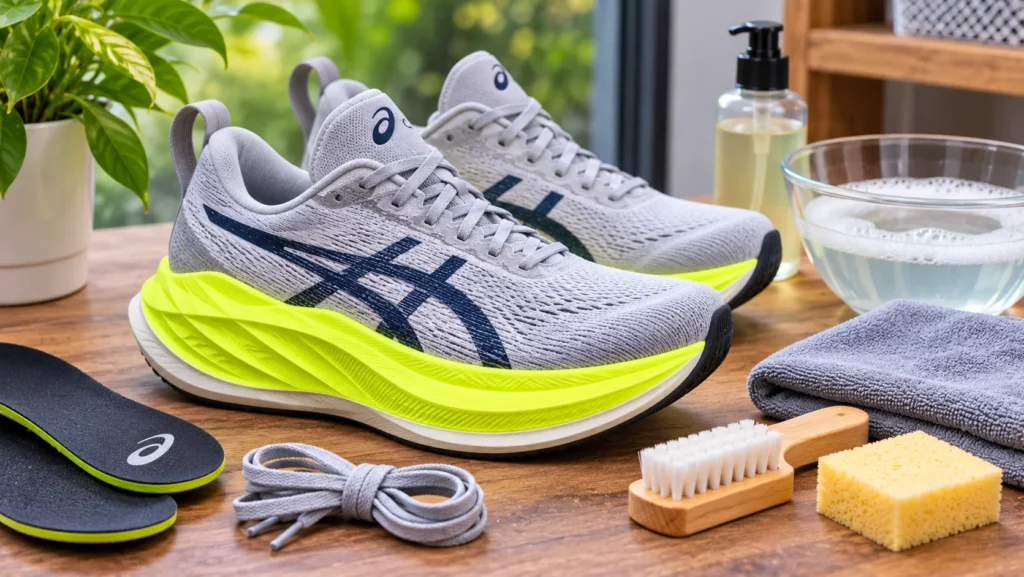
In short, clean the shoe gently and let it dry at room temperature. Don’t use a washing machine, tumble dryer, radiator, or direct heat. ASICS advises gentle hand cleaning because heat and harsh washing can damage running shoes.
- Remove the laces and insoles before cleaning.
- Brush off loose grit with a soft, dry brush.
- Use a damp cloth and mild soap on dirty areas.
- Wipe away soap with a clean, slightly damp cloth.
- Air-dry the pair away from direct sunlight and heat.
- Store the shoes in a dry, ventilated place.
Rotate pairs if you run most days. That lets each pair dry between sessions. Avoid leaving the Superblast 2 inside a hot car. The upper, adhesive, and foam all benefit from gentle storage.
Check the outsole every few weeks. Look for uneven wear and exposed foam. A clean outsole also makes it easier to notice damage before the shoe feels unsafe.
What Buying Mistakes Should You Avoid With the Superblast 2?
The biggest mistake is buying the Superblast 2 just because it has a tall stack. Cushioning height does not prove comfort, speed, or stability for your own foot. Try the shoe and judge its fit before chasing a deal.
Another mistake is confusing outsole width with toe-box width. The shoe has a broad landing platform but a more tapered inner fit. Wide-footed runners should not rely on external photos alone.
Don’t expect a carbon race shoe’s sharp toe-off. The Superblast 2 has no plate, and that is part of its appeal. It feels more natural for varied training, but less aggressive during all-out intervals.
Finally, check race rules if you compete in regulated events. The listed 45 mm stack exceeds World Athletics’ 40 mm road-racing limit for applicable competitions. Read the current World Athletics regulations and your event rules. Not every recreational race applies the same checks.
What Is the Final Verdict on the ASICS Superblast 2?
The ASICS Superblast 2 remains an excellent plate-free option for long, mixed-pace road runs. Its strong points are simple: high cushioning, manageable weight, secure traction, and a smooth stride. None of those qualities vanished when the next model arrived.
The more useful question is price. At about $150, the Superblast 2 can be a compelling purchase for a standard-width runner. At its original $200 price, the newer Superblast 3 deserves a direct comparison.
Choose the Superblast 2 if you prefer a balanced, controlled feel and often run long. Choose a simpler trainer if you mostly run short and easy. Pick a plated racer if race-day speed matters more than daily versatility.
Fit remains the final test. A superb lab score won’t fix toe pressure after 15 kilometers. Buy the shoe that works for your foot, not the one with the loudest praise.
Frequently Asked Questions
Is the ASICS Superblast 2 good for marathon training?
Yes. The Superblast 2 works well for marathon training, especially long runs and steady efforts. Its deep foam protects the foot during time on the road. The plate-free build also suits daily mileage. For an official race, check the event’s footwear rules before choosing this shoe.
Does the ASICS Superblast 2 have a carbon plate?
No. The ASICS Superblast 2 does not use a carbon-fiber plate or a rigid nylon propulsion plate. Its responsive feel comes from FF TURBO PLUS foam, a second foam layer, and the sole shape. That makes it useful for runners who want speed-friendly cushioning without a stiff plate.
Is the ASICS Superblast 2 true to size?
For many standard-width runners, yes. Published testers report a true-to-size length. The forefoot can still feel tapered, so width matters as much as length. Try the shoe while standing, with your usual running socks. Wide-footed runners should check toe space before removing tags.
Is the Superblast 2 better than the Novablast 5?
The Superblast 2 is a better match for long runs with faster sections. The Novablast 5 is often the more sensible purchase for easy daily running and lower budgets. Both are neutral ASICS road shoes, but their price and ride feel differ. Choose based on your training schedule.
Should I buy the Superblast 2 or the Superblast 3?
Buy the Superblast 2 if it fits well and comes with a meaningful discount. Consider the Superblast 3 when prices are close or you prefer a softer, newer foam feel. The Superblast 2 still handles long runs and tempo work well. Fit and final checkout price should decide.
Affiliate Disclosure:
As an Amazon Associate, I earn from qualifying purchases.
If you click a link on this page and make a purchase,
I may receive a small commission — at no extra cost to you.
I only recommend products I genuinely believe will help you.
This helps keep the site free and running. Thank you for your support.


