

Quick Answer
The Brooks Glycerin 22 is still worth buying in 2026 if you want a comfortable, well-cushioned running shoe for daily training and long runs. Its DNA Tuned midsole, secure upper, and durable outsole make it a dependable option, especially at a discount. However, it feels heavier and less energetic than some competitors, so use a running shoe fitting checklist before deciding.
My buying verdict
- Best for: Easy runs, steady daily mileage, and comfortable longer sessions.
- Main advantage: DNA Tuned cushioning provides a plush heel and controlled forefoot transition.
- Main drawback: Its substantial weight and moderate energy return limit its appeal for speedwork.
- Fit: Generally true to size, with width options, but a relatively low toe-box ceiling.
- Value: More attractive at a meaningful discount than at its original $165 retail price.
Before buying
- Compare alternatives: Consider the Glycerin GTS 22 for added guidance or Glycerin 23 for newer cushioning geometry.
- Check availability: Older colorways and widths may be difficult to find.
Finding a running shoe that feels comfortable after several miles can be difficult. Some models feel wonderfully soft when you first put them on but become awkward during longer runs.
In this Brooks Glycerin 22 review, I’ll examine what its cushioning, fit, durability, and independent testing reveal. I’ll also explain who should buy it and whether upgrading to a newer Glycerin makes sense in 2026.
What Is the Brooks Glycerin 22 Running Shoe?
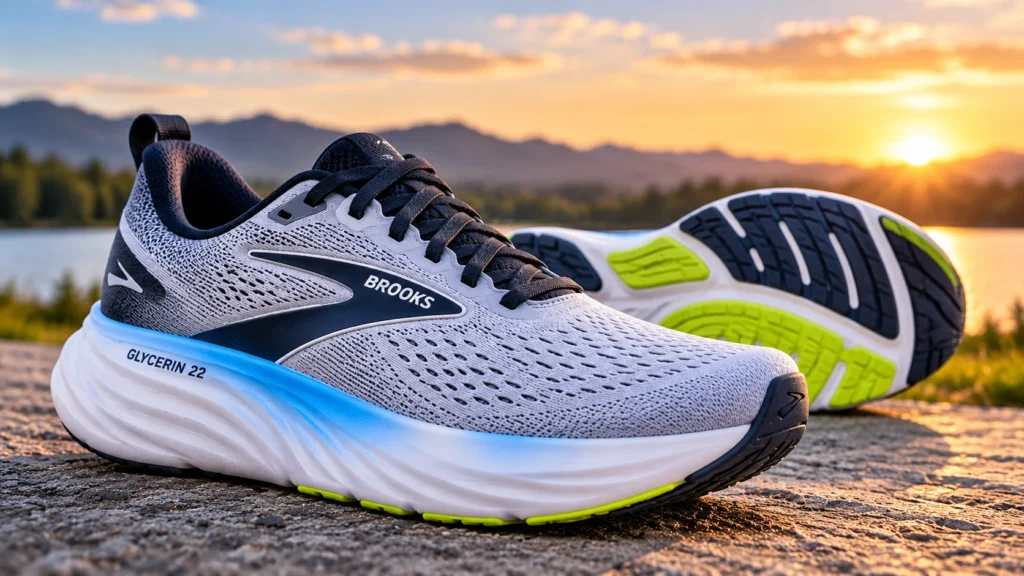
The Brooks Glycerin 22 is a premium neutral road-running shoe designed for comfortable daily training and longer distances. It combines nitrogen-infused DNA Tuned cushioning with a broad platform and generously padded upper.
Neutral means it doesn’t rely on dedicated motion-control technology, although its shape provides inherent stability. The shoe prioritizes reliable comfort rather than aggressive racing performance.
It launched in February 2025 as the successor to the Glycerin 21. By 2026, the Glycerin 23 had become its newer-generation replacement.
Brooks Glycerin 22 Specifications
These are the key specifications I would compare before spending money on this model. Published weight and stack measurements can vary slightly by size and testing method.
| Feature | Brooks Glycerin 22 |
|---|---|
| Shoe category | Premium neutral daily trainer |
| Midsole foam | DNA Tuned, nitrogen-infused |
| Heel-to-toe drop | 10 mm |
| Approximate stack height | 38–39 mm heel / 28–29 mm forefoot |
| Men’s listed weight | 10.2 oz / 289 g |
| Women’s listed weight | 9.1 oz / 258 g |
| Upper | Engineered double-jacquard knit |
| Outsole | Durable road-running rubber |
| Support | Neutral, inherently stable platform |
| Original US retail price | $165 |
The 10 mm drop places the heel higher than the forefoot. This geometry often appeals to runners accustomed to traditional cushioned road shoes.
You can confirm the manufacturer’s specifications through the official Brooks Glycerin 22 product information.
How Does the Brooks Glycerin 22 Cushioning Perform?
The Glycerin 22 delivers a cushioned, controlled ride rather than an exceptionally bouncy one. Its DNA Tuned midsole is the biggest technical change from the previous version.
What Is DNA Tuned Cushioning?
DNA Tuned is Brooks’ nitrogen-infused midsole technology that uses different foam-cell structures to influence cushioning behavior. Larger cells emphasize softer heel landings, while smaller cells in the forefoot help create a firmer push-off.
This approach aims to balance comfort and responsiveness without adding a separate propulsion plate. It also preserves the familiar feel associated with the Glycerin family.
- Heel cushioning: Designed to soften repetitive landings during relaxed running.
- Forefoot cushioning: More controlled underfoot feel during toe-off.
- Midsole geometry: Supports steady transitions instead of exaggerated rocking.
- Overall experience: Plush and protective, but not exceptionally springy.
One important distinction is that nitrogen-infused foam doesn’t automatically deliver exceptional energy return. Foam formulation, geometry, and individual running mechanics all influence the ride.
For broader context, my guide to advanced gas-foamed running shoe cushioning explains why different foam technologies can produce noticeably different results.
Does the Brooks Glycerin 22 Feel Soft or Firm?
It generally feels plush at the heel, with a comparatively controlled forefoot. However, runners expecting an extremely squishy or trampoline-like sensation may find it firmer than anticipated.
This distinction matters because cushioning thickness doesn’t always equal cushioning softness. A thick midsole can still provide a stable, somewhat structured ride.
Independent reviewers at Doctors of Running described the shoe as a balanced premium daily trainer. Their assessment also highlighted the secure upper and relatively stiff heel construction.
What Are the Main Pros and Cons of the Brooks Glycerin 22?
The biggest strengths are comfort, outsole durability, and predictable everyday performance. Its disadvantages involve weight, price, and limited speed-oriented responsiveness.
What I Like About Its Design
- Generous cushioning: Substantial foam protects the foot during steady road mileage.
- Comfortable upper: Padding around the tongue and collar helps reduce unwanted pressure.
- Stable platform: Its relatively broad base provides a secure feeling without dedicated GuideRails support.
- Durable outsole: Independent laboratory results suggest strong resistance to abrasion.
- Familiar running geometry: The 10 mm drop suits many runners accustomed to conventional trainers.
- Width availability: Multiple width choices help accommodate different foot shapes.
What Could Be Better?
- Noticeable weight: It isn’t especially light compared with more versatile daily trainers.
- Limited energy return: The foam doesn’t feel as explosive as performance-focused alternatives.
- Low toe-box height: Some runners may notice pressure above their toes.
- Firm heel counter: Sensitive heels may not appreciate its structured rearfoot.
- Premium original price: The value proposition depends heavily on current discounts.
My main takeaway is that a shoe doesn’t need to excel at every pace to be useful. Consistency can be more valuable than excitement when most of your running happens at an easy effort.
Who Should Buy the Brooks Glycerin 22?
The Glycerin 22 makes the most sense for neutral runners who prioritize cushioning, predictable transitions, and comfort over speed. It can also suit experienced runners seeking a dedicated easy-day shoe.
Runners Most Likely to Enjoy It
- Daily runners: People logging consistent mileage on roads and sidewalks.
- Long-run enthusiasts: Runners who value cushioning through extended, comfortable efforts.
- Heel strikers: Those who appreciate a well-cushioned heel and relatively high drop.
- Beginners: New runners seeking a forgiving, traditional training shoe.
- Comfort-focused walkers: People who prefer substantial cushioning and a secure upper.
Heavier runners may also appreciate its cushioning and stable geometry. Body weight alone, however, shouldn’t determine which shoe someone buys.
Who Should Avoid the Brooks Glycerin 22?
This model isn’t the strongest choice when low weight or energetic propulsion matters most. There are also better starting points for runners who prefer minimalist flexibility.
- Runners seeking a lightweight interval-training shoe.
- Racers prioritizing carbon-plated propulsion or very high energy return.
- People who strongly prefer low-drop running shoes.
- Runners needing considerably more room above their toes.
- Anyone whose heels become irritated by firm heel counters.
I wouldn’t recommend selecting it solely because the cushioning looks thick. Your actual comfort during movement should determine the decision.
How Does the Brooks Glycerin 22 Fit and Size?
The Brooks Glycerin 22 generally fits true to size, with a secure heel and accommodating forefoot width. However, its relatively shallow toe-box height may not suit every foot shape.
Independent reviews report good heel lockdown and a comfortable padded upper. The exact experience still depends on foot volume, width, socks, and lacing.
Is the Brooks Glycerin 22 Good for Wide Feet?
It can be a good option for wide feet because Brooks offers wider versions in selected sizes and markets. However, greater width doesn’t automatically create more vertical room above the toes.
I would check three fit details before ordering:
- Forefoot width: Your foot shouldn’t press painfully against the sides.
- Toe-box height: The upper shouldn’t place uncomfortable downward pressure on your toes.
- Heel security: Choosing a wider version shouldn’t cause excessive movement at the back.
For differences between manufacturers, see my running shoe sizing between brands guide. Size labels alone can’t tell you whether two shoe models will fit identically.
How Much Toe Room Should You Leave?
A useful starting point is approximately one thumb-width of clearance beyond your longest toe. Your heel and midfoot should remain secure while your toes move comfortably.
The REI running shoe fitting guide recommends checking toe clearance, heel fit, and foot movement before committing to a purchase.
Can the Stiff Heel Counter Cause Problems?
The structured heel counter may feel secure to some runners but uncomfortable to others. This is especially relevant if you regularly experience rubbing near the back of your ankle.
Try walking and jogging briefly before removing tags or using the shoes outdoors. Lacing adjustments may improve minor slippage, but they cannot fix a fundamentally unsuitable heel shape.
Is the Brooks Glycerin 22 Good for Long Runs and Daily Training?
Yes, long runs and easy daily sessions are among its strongest uses. The combination of cushioning and stable transitions helps make repetitive road mileage feel manageable.
Everyday Running Performance
The shoe’s predictable ride is especially appealing when you aren’t chasing a personal record. Its traditional heel-to-toe transition avoids the dramatic rocking sensation found in some maximalist designs.
For a runner covering relaxed daily miles, I would prioritize its consistent cushioning and secure fit. Those qualities matter more than small differences in advertised foam technology.
Long-Distance Comfort
The substantial stack provides cushioning for extended training sessions. Its padded upper also helps create a comfortable environment around the foot.
However, longer distances can reveal fit issues that remain hidden during short try-ons. Toe pressure, heel rubbing, or tightness may become more noticeable as feet swell.
Tempo Runs and Faster Training
The Glycerin 22 can handle occasional faster sections, but it isn’t designed primarily for speed. Its weight and moderate rebound may make hard workouts feel less efficient than lighter alternatives.
For runners using multiple pairs, I’d reserve this model for easy or recovery-focused mileage. A lighter trainer can cover intervals and faster sessions.
Walking and Standing
The cushioning can also feel comfortable during everyday walking. Its stable platform makes it a reasonable option for people who appreciate substantial underfoot protection.
Still, running-shoe cushioning isn’t a guarantee of all-day comfort. People who stand for long periods should assess fit, fatigue, and support during their actual activities.
How Durable Is the Brooks Glycerin 22?
Durability appears to be one of the Glycerin 22’s stronger qualities. Its substantial rubber outsole performed well in independent abrasion testing.
Laboratory testing by RunRepeat measured approximately 0.5 mm of outsole wear in its standardized abrasion test, compared with a tested-shoe average of about 1.1 mm.
That result supports the outsole’s abrasion resistance, but it isn’t a guarantee of a specific lifespan. Running surface, gait, rotation, body weight, and maintenance all influence wear.
What Should You Inspect as the Shoe Ages?
- Outsole tread: Look for significant wear or uneven rubber loss.
- Midsole response: Notice whether cushioning feels unusually flat or inconsistent.
- Upper fabric: Inspect areas around the toes and lace attachments.
- Heel lining: Check for thinning, holes, and rubbing.
- Running comfort: Consider whether familiar routes now feel noticeably less comfortable.
Don’t rely on mileage alone to determine when shoes need replacement. A visually intact outsole can coexist with cushioning that no longer feels comfortable.
Brooks Glycerin 22 vs Glycerin GTS 22 vs Glycerin 23: What’s Different?
The Glycerin 22 offers premium neutral cushioning, while the GTS 22 adds GuideRails support. The newer Glycerin 23 changes the geometry and provides another option for runners seeking a current-generation shoe.
| Feature | Glycerin 22 | Glycerin GTS 22 | Glycerin 23 |
|---|---|---|---|
| Category | Neutral trainer | Support trainer | Neutral trainer |
| Cushioning | DNA Tuned | DNA Tuned | Updated DNA Tuned |
| Drop | 10 mm | 10 mm | 8 mm |
| Men’s listed weight | 10.2 oz | 10.7 oz | 10.6 oz |
| Dedicated support | No | GuideRails | No |
| Best reason to buy | Discounted comfort | Added guidance | Newer-generation design |
Weights reflect published men’s reference specifications and can vary by size. These models shouldn’t be ranked solely by weight or drop.
Should You Choose the Glycerin 22 or GTS 22?
Choose the standard Glycerin 22 when a neutral, stable-feeling shoe suits your stride. Consider the GTS 22 if you prefer the additional guidance of Brooks’ GuideRails system.
GuideRails provides movement guidance, but it isn’t automatically necessary for everyone with low arches or inward foot movement. Comfort and individual needs should guide the choice.
Is the Glycerin 23 a Better Upgrade?
The Glycerin 23 uses updated DNA Tuned cushioning and an 8 mm drop. It is worth comparing if you prefer newer cushioning geometry or cannot find the Glycerin 22 in your size.
However, newer doesn’t always mean better for your feet. Someone comfortable with the older 10 mm geometry may prefer the Glycerin 22.
Is the Brooks Glycerin 22 Worth the Money in 2026?
Yes, provided you find the correct size at a worthwhile discount. Paying close to its original $165 price makes less sense when current-generation alternatives cost only slightly more.
Some official Brooks listings have shown the Glycerin 22 discounted from $165 to approximately $115. Availability differs by color and size, and listed prices can change.
How Would I Evaluate a Discount?
I use a simple comparison: consider the actual price difference, your preferred geometry, and the retailer’s return conditions. A bargain that doesn’t fit is still a poor purchase.
- Large discount: The Glycerin 22 becomes compelling if it fits comfortably and matches your training needs.
- Small discount: Compare it carefully with the Glycerin 23 and other current models.
- Limited sizes: Never accept an uncomfortable width simply because it’s discounted.
- Unclear seller: Prefer reputable retailers with transparent return policies.
For example, saving $50 on a comfortable older model can be worthwhile for a runner focused on easy miles. Saving only $10 may not justify missing a preferable newer fit.
How Can You Avoid Mistakes When Buying the Glycerin 22?
Focus on fit, intended use, and the actual version being sold. Online product listings sometimes group different years, widths, and support variants together.
Five Checks Before Ordering
- Confirm the model: Check that the listing identifies Glycerin 22 rather than Glycerin 21, GTS 22, or Glycerin Max.
- Check your foot measurements: Compare the manufacturer’s size chart with your actual foot length.
- Choose the correct width: Select standard or wider versions according to your fit needs.
- Compare the final price: Include shipping, taxes, and return costs.
- Test indoors: Walk and jog briefly while following the retailer’s return conditions.
The foot and ankle specialists at FootCareMD also emphasize trying shoes with appropriate socks and checking fit when feet are at their largest.
Before buying any premium trainer, I recommend reviewing the criteria in my guide to evaluating running shoe reviews. It helps separate useful testing observations from marketing claims.
Which Brooks Running Shoes Are Worth Considering?
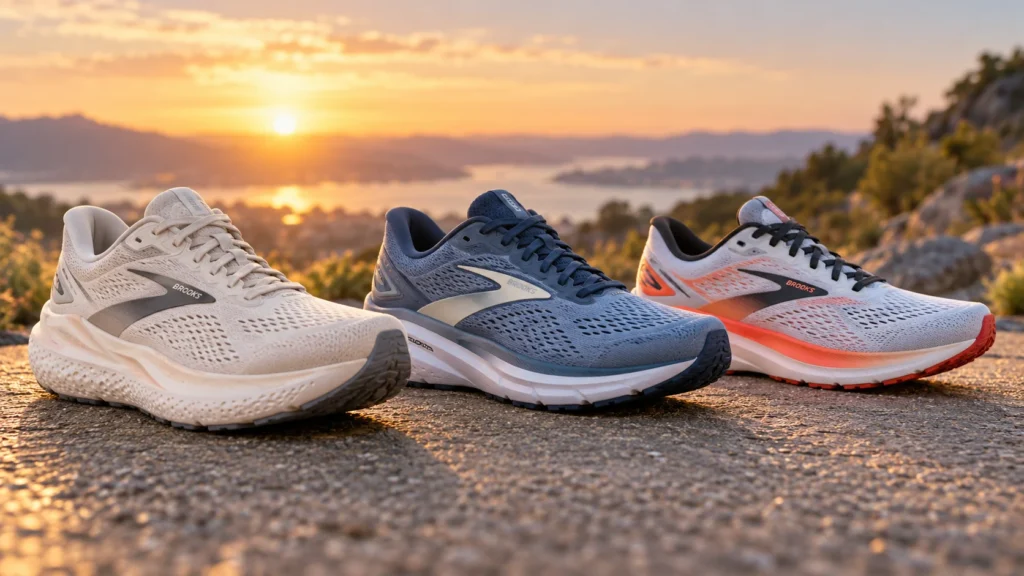
If the Glycerin 22 sounds suitable, these three Brooks models offer practical alternatives for different priorities. The ratings are editorial assessments based on documented specifications and review evidence, not personal wear-test scores or customer-rating averages.
Affiliate disclosure: As an Amazon Associate, we earn from qualifying purchases at no additional cost to you.
🏆 Best discounted neutral trainer
Brooks Glycerin 22
★★★★☆ 4.2/5 editorial score
DNA Tuned cushioning, a 10 mm drop, and a durable outsole make this a strong easy-mileage option. I’d prioritize it when the fit is comfortable and the discount is substantial.
🛡️ Best for additional guidance
Brooks Glycerin GTS 22
★★★★☆ 4.1/5 editorial score
This model combines DNA Tuned cushioning with Brooks GuideRails support. I’d shortlist it for runners who prefer additional movement guidance without sacrificing premium cushioning.
👟 Best newer-generation option
Brooks Glycerin 23
★★★★☆ 4.3/5 editorial score
Updated DNA Tuned cushioning and an 8 mm drop distinguish the newer Glycerin. I’d compare it with the 22 when the price difference is small or a new fit is appealing.
Frequently Asked Questions About the Brooks Glycerin 22
Is the Brooks Glycerin 22 good for beginners?
Yes. Its cushioning, stable platform, and conventional running-shoe geometry make it a reasonable choice for beginners. However, its premium price isn’t necessary for every new runner. A cheaper model that fits well and supports your training needs may provide equally satisfying everyday comfort.
Is the Brooks Glycerin 22 good for plantar fasciitis?
Some people with heel discomfort may find its cushioning comfortable, but the Glycerin 22 isn’t a treatment for plantar fasciitis. Foot conditions require individual assessment. If you have persistent heel pain, consult a qualified healthcare professional rather than relying on a particular running shoe to solve it.
Does the Brooks Glycerin 22 run true to size?
Independent reviewers generally describe the Glycerin 22 as true to size. However, its comparatively low toe-box height may bother runners with high-volume feet. Start with your measured size, check available widths, and confirm comfortable toe clearance before committing.
Can you use the Brooks Glycerin 22 for walking?
Yes. The Glycerin 22 can work well for walking if you enjoy substantial cushioning and a structured fit. Its weight and relatively stiff construction may feel different from lighter walking shoes. Try it for your intended activities before deciding whether the comfort meets your needs.
Is the Brooks Glycerin 22 better than the Glycerin 21?
The Glycerin 22 introduces DNA Tuned foam and an updated upper, but the overall running experience remains familiar. Its softer heel feel and updated fit may appeal to some runners. Others may prefer the Glycerin 21, especially when its fit is already proven and the older shoe costs less.
Final Verdict: Should You Buy the Brooks Glycerin 22?
The Brooks Glycerin 22 remains a dependable premium running shoe in 2026. Its strongest qualities are comfortable cushioning, stable transitions, a secure upper, and impressive outsole durability.
It’s not the best option for runners prioritizing lightweight performance or exceptionally energetic foam. However, those qualities aren’t essential for every workout.
My recommendation is to buy the Glycerin 22 if it fits your feet comfortably and comes with a meaningful discount. If prices are close, compare the Glycerin 23 and other current models before deciding.
Bottom line: The Brooks Glycerin 22 is still worth considering for easy runs, longer road sessions, and comfort-focused daily training. Prioritize fit and real-world value over the model number.