
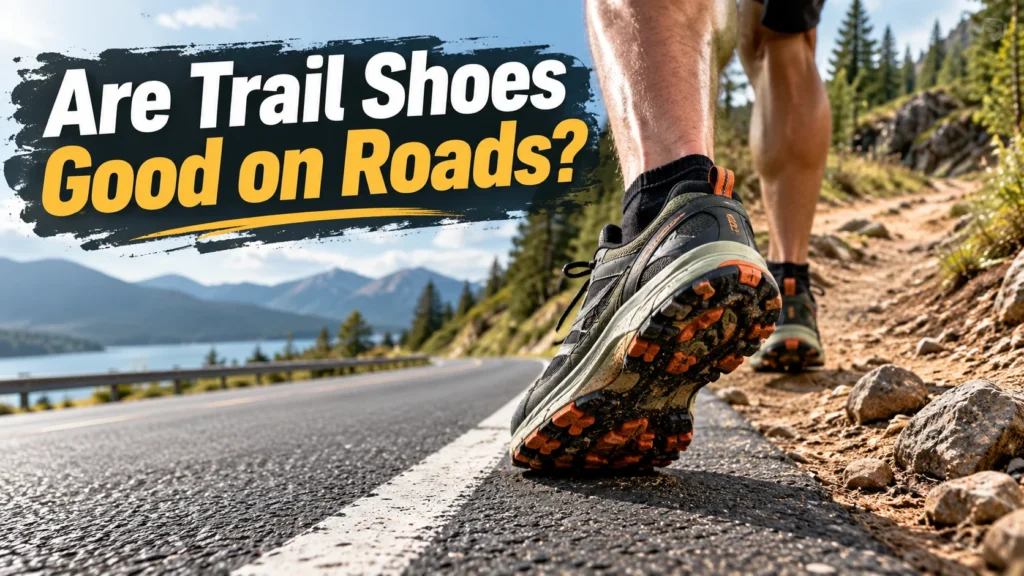
Quick Answer
Yes, trail shoes are good on roads for occasional runs, walking, and routes combining pavement with dirt or gravel. However, aggressive trail shoes may feel stiff, wear down faster, and offer less comfortable traction on smooth pavement. For frequent road running, road shoes or hybrid road-to-trail shoes are usually better. The REI road versus trail shoe guide explains these key differences.
When trail shoes work well on roads
- Short road sections: Connecting nearby trails with pavement is generally fine.
- Mixed surfaces: Hybrid shoes suit routes combining roads, gravel, and firm dirt.
- Shallow tread: Smaller, closely spaced lugs usually feel smoother on pavement.
- Occasional walking: Comfortable trail shoes can handle everyday paved walks.
- Regular road mileage: Dedicated road shoes usually provide a more suitable running experience.
Best practical tip
- Check the outsole: Choose flatter tread for pavement and more aggressive lugs for loose, muddy trails.
Are trail shoes good on roads, or will pavement ruin them? It’s a common question when your running route includes sidewalks, gravel paths, and trails.
The answer depends on your shoe’s tread, cushioning, and intended terrain. I’ll explain when trail shoes make sense on pavement, what can go wrong, and how to choose a practical pair.
What Are Trail Running Shoes?
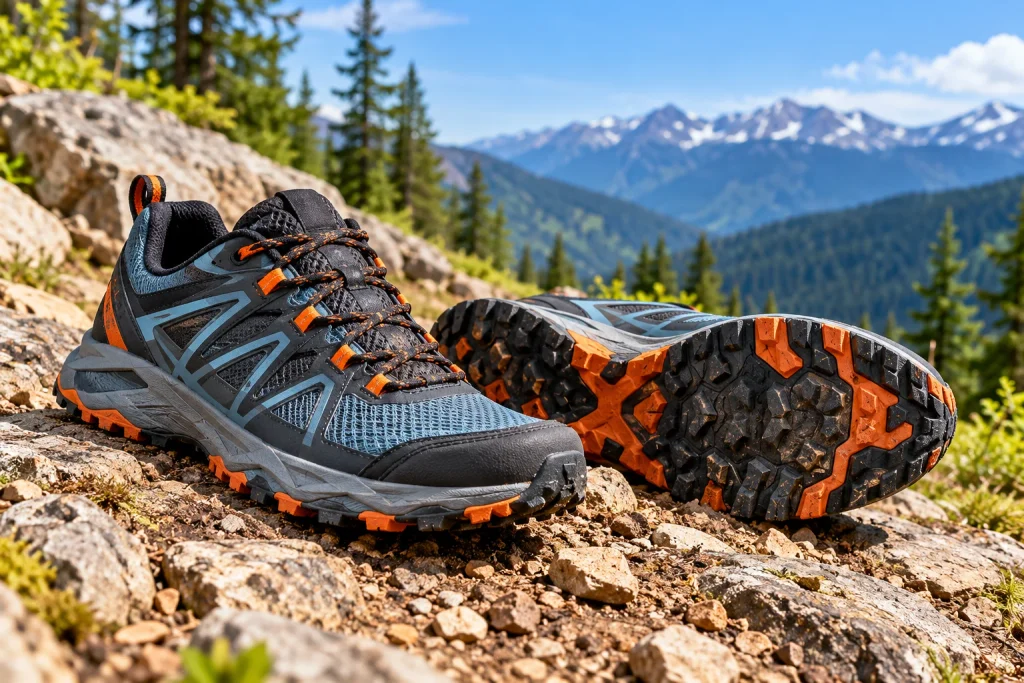
Trail running shoes are athletic shoes designed for running on unpaved surfaces. They typically combine textured outsoles, secure uppers, and protective construction to handle uneven terrain.
Unlike ordinary road trainers, they focus on traction and stability when the ground becomes unpredictable.
What Makes Trail Shoes Different?
Several features distinguish trail shoes from shoes designed primarily for pavement.
- Outsole lugs: Raised rubber tread grips dirt, gravel, and loose surfaces.
- Protective uppers: Reinforced materials help protect against branches, stones, and trail debris.
- Stable platforms: Many models prioritize controlled movement over uneven ground.
- Rock protection: Some models include firm plates or protective layers beneath the foot.
- Secure fit: Heel and midfoot support help reduce unwanted movement on technical terrain.
Not every trail shoe includes all these features. A lightweight shoe for smooth gravel may resemble a road trainer.
For more background, see REI’s trail-running shoe buying guide.
Can You Wear Trail Running Shoes on Pavement?
Yes, you can wear trail running shoes on pavement. Occasional road running generally won’t damage a suitable pair immediately or make running inherently unsafe.
The main concern is how the shoe performs over time. Tread design, rubber composition, cushioning, and personal comfort all matter.
Short Road Runs
Trail shoes often work well for short road sections. For example, a route might begin with a paved neighborhood street before reaching a forest trail.
In this situation, changing shoes halfway through your run makes little sense.
Daily Road Running
Frequent pavement running places repeated demands on a shoe’s outsole and cushioning. Road trainers are generally designed to handle these conditions more efficiently.
A trail shoe with deep lugs may feel harsh or awkward compared with a smoother road shoe.
Walking on Pavement
Trail running shoes can also work for casual walking on sidewalks and paved paths. Comfort and fit matter more than the trail label alone.
However, stiff shoes with aggressive tread may feel less natural during long urban walks.
What Happens When You Use Trail Shoes on Roads?
Using trail shoes regularly on roads can affect outsole wear, running comfort, and traction. The severity depends on the specific shoe and pavement conditions.
1. Outsole Lugs May Wear Faster
Trail shoes often use pronounced rubber lugs that dig into soft ground. Repeated contact with abrasive pavement can round off these raised edges.
This matters because worn lugs may lose effectiveness on loose dirt or mud.
2. Some Trail Shoes Feel Stiffer
Many rugged trail shoes feature supportive midsoles or protective plates. These components can make the shoe feel less flexible on smooth surfaces.
Road shoes often emphasize a consistent, comfortable transition from landing to toe-off.
3. Extra Protection Can Add Bulk
Toe guards, reinforced uppers, and durable outsole rubber all have useful purposes on rough trails.
Those features may add unnecessary weight or stiffness during pavement-only running.
4. Traction Depends on the Surface
Deep lugs provide an advantage when they can penetrate loose soil. On smooth pavement, they don’t necessarily provide better grip than flatter rubber.
Wet pavement deserves particular attention. A shoe’s rubber compound and contact area influence traction, not lug depth alone.
5. Comfort Can Change Over Longer Distances
A trail shoe that feels fine for a brief road section may become uncomfortable during a longer run.
Pay attention to pressure points, foot fatigue, and unusual rubbing rather than assuming every trail shoe behaves the same.
Trail Running Shoes vs Road Running Shoes: What’s the Difference?
The main difference is terrain specialization. Trail shoes emphasize grip and protection, while road shoes prioritize comfort and movement on firm, predictable surfaces.
This comparison highlights typical differences rather than rules that apply to every model.
| Feature | Trail Shoes | Road Shoes |
|---|---|---|
| Best surface | Dirt, gravel, rocky trails | Asphalt, concrete, paved paths |
| Outsole | Usually raised rubber lugs | Generally flatter tread |
| Cushioning | Varies; often emphasizes stability | Often tuned for smooth pavement running |
| Upper construction | Often reinforced | Often lighter and more breathable |
| Pavement durability | Aggressive tread may wear faster | Generally optimized for pavement wear |
| Ideal use | Unpaved and uneven routes | Regular road training |
A hybrid road-to-trail shoe sits between these categories. It usually combines moderate traction with a ride comfortable enough for connecting paved routes.
Do Trail Shoes Wear Out Faster on Roads?
Some trail shoes wear out faster on roads, particularly models with soft rubber and tall, widely spaced lugs. Hard pavement repeatedly compresses and rubs these tread elements.
However, the wear rate varies significantly between models. It isn’t possible to predict a reliable mileage limit from the trail category alone.
What Affects Tread Lifespan?
- Rubber compound: Softer compounds may prioritize grip over abrasion resistance.
- Lug design: Tall, narrow lugs can experience more concentrated wear.
- Running technique: Foot dragging or heavy localized wear can shorten outsole life.
- Surface texture: Rough concrete can be more abrasive than smoother surfaces.
- Usage frequency: More pavement mileage increases cumulative wear.
How Can You Check for Wear?
Inspect the bottom of each shoe after several runs. Compare the tread depth and shape around the heel, forefoot, and outer edges.
Uneven wear, missing rubber, or exposed foam can indicate declining outsole condition.
Also consider how the shoes feel. Persistent discomfort or a noticeable loss of traction may justify replacing them.
Are Trail Shoes Comfortable for Long Road Runs?
Trail shoes can be comfortable for long road runs when they have appropriate cushioning, fit, and outsole geometry. Hybrid models are often better suited to this use than rugged mountain-running shoes.
Cushioning alone doesn’t guarantee comfort. A soft shoe that fits poorly can still cause problems.
What Should You Look for?
- Comfortable cushioning: Choose a midsole that feels supportive across your intended distance.
- Smooth transitions: The shoe should roll naturally through your stride.
- Moderate tread: Shallow lugs often feel less noticeable on pavement.
- Secure heel: Excessive heel movement can cause rubbing.
- Toe space: Your toes need enough room without sliding excessively.
- Breathable upper: Ventilation matters during warm road runs.
Start with a short run before committing to a long session. This helps reveal pressure points and other fit problems.
Can Trail Shoes Cause Knee or Foot Pain on Roads?
Trail shoes don’t automatically cause knee or foot pain on pavement. Discomfort may occur when their fit, stiffness, cushioning, or running characteristics don’t suit the individual.
Footwear is only one possible contributor to running pain. Training load, recovery, previous injuries, and running mechanics also matter.
Signs Your Shoes May Not Suit Pavement
- New pressure beneath the forefoot or heel
- Unusual rubbing or blisters
- Persistent foot fatigue during ordinary distances
- A noticeably awkward or unstable stride
- Discomfort that repeatedly appears in one pair of shoes
If pain develops, reduce or stop the aggravating activity and reassess your footwear. Persistent, worsening, or significant pain deserves evaluation by a qualified healthcare professional.
For general guidance on physical activity and gradual training, visit the CDC physical activity resources.
When Should You Choose Trail Shoes Instead of Road Shoes?
Choose trail shoes when uneven, loose, or rocky terrain makes traction and protection important. Choose road shoes when most of your running happens on consistent pavement.
For mixed routes, a hybrid model may provide the best compromise.
Match Your Shoes to Your Route
- Mostly asphalt: Start with road-running shoes.
- Sidewalks and gravel: Consider hybrid road-to-trail shoes.
- Hard-packed dirt trails: Light trail shoes often work well.
- Rocky technical trails: Prioritize secure fit, protection, and reliable traction.
- Wet muddy trails: Consider deeper, more widely spaced lugs.
These are starting points rather than strict mileage rules. Your comfort and the exact surface conditions should guide the final decision.
Are Hybrid Road-to-Trail Shoes Worth Buying?
Hybrid road-to-trail shoes are worth considering if you frequently move between pavement and easy trails. They balance the demands of two different running surfaces.
They can also reduce the need to change footwear during mixed-terrain outings.
What Makes a Good Hybrid Running Shoe?
Look for tread that provides useful traction without feeling overly aggressive on pavement. A comfortable midsole and flexible, secure upper are equally important.
Hybrid shoes work especially well for routes such as these:
- Neighborhood streets leading to a park
- Paved paths connecting gravel sections
- Canal paths with mixed hard and loose surfaces
- Dry forest paths with short road connections
- Easy trails beginning near urban sidewalks
Hybrid shoes aren’t a universal replacement for specialized footwear. Deep mud and highly technical mountain terrain may require stronger traction or protection.
The iRunFar road-to-trail shoe guide provides current examples of shoes designed for mixed surfaces.
How Can You Make Trail Shoes Last Longer on Roads?
You can extend the useful life of trail shoes by minimizing unnecessary pavement wear and maintaining their outsoles. Appropriate cleaning and storage also help preserve shoe materials.
1. Use the Right Shoes for the Route
Avoid using aggressive mud shoes for every paved run. Choose road shoes or hybrid models when pavement dominates your routine.
2. Remove Dirt After Running
Brush loose dirt from the outsoles and remove trapped stones. Clean stubborn debris with a soft brush and mild soap when needed.
3. Let Shoes Dry Naturally
After wet runs, remove the insoles when appropriate and allow the shoes to air-dry. Avoid direct heaters or intense heat that may damage footwear materials.
4. Inspect the Tread Regularly
Look for rounded lugs, detached rubber, and excessive uneven wear. Early inspection can help identify when traction is declining.
5. Rotate Shoes When Practical
If you regularly run on both roads and technical trails, separate shoes can better match each surface. Rotation also gives wet shoes time to dry between sessions.
For additional footwear care guidance, explore the trail shoe construction and fit advice from REI.
What Mistakes Should You Avoid When Using Trail Shoes on Roads?

The biggest mistake is assuming all trail shoes perform equally well on pavement. Their tread patterns, cushioning systems, and intended terrain can differ substantially.
- Using deep mud lugs daily: Aggressive tread is often unnecessary on smooth roads.
- Ignoring wet pavement: Deep lugs don’t automatically guarantee good grip on slippery hard surfaces.
- Overlooking fit: A trail label doesn’t compensate for poor sizing.
- Assuming waterproofing is essential: Waterproof shoes may feel warmer and dry slowly after water enters.
- Ignoring tread wear: Rounded or damaged lugs may reduce performance on trails.
- Choosing by appearance: Select shoes based on the surfaces you actually use.
- Changing shoes too abruptly: Introduce unfamiliar footwear gradually rather than starting with your longest run.
One useful practical check is to compare how two shoes feel on the same short paved route. Notice the ride, fit, and traction rather than relying only on their product descriptions.
Which Trail Running Shoes Are Worth Considering for Roads in 2026?
If you’re shopping for shoes that handle roads and trails, I would focus on road-to-trail models rather than aggressive mountain shoes. The following three options serve different priorities.
These recommendations use published product specifications and independent reviews, not claimed personal testing. Prices and availability can change.
Affiliate disclosure: As an Amazon Associate, this website may earn from qualifying purchases at no additional cost to you.
🏆 Best versatile option
Nike ACG Pegasus Trail
★★★★☆ 4/5 editorial suitability
This model combines ReactX cushioning with an all-terrain outsole and an 8 mm heel-to-toe drop. It’s my first shortlist choice for runners who regularly connect paved routes with easy and moderate trails, based on its versatile design and published testing.
☁️ Best for cushioning
Hoka Challenger 8
★★★★☆ 4/5 editorial suitability
The Challenger 8 features a generously cushioned platform, an 8 mm drop, and a design suited to pavement and nontechnical trails. I’d put it on the shortlist for comfort-focused runners who prefer mixed routes over rocky mountain terrain.
🌿 Best for easy trails
Brooks Ghost Trail
★★★★☆ 4/5 editorial suitability
The Ghost Trail uses DNA Loft v3 cushioning, an 8 mm drop, and a traction-focused outsole for gravel and easy trails. I would consider it for runners seeking a road-shoe-like experience with more off-road capability.
Buying tip: Compare fit, outsole design, and intended surfaces before choosing. The suitability scores above are editorial assessments, not customer review averages or laboratory test scores.
Frequently Asked Questions
Are trail running shoes good for everyday use?
Yes, trail running shoes can work for everyday walking and occasional pavement running. Light trail shoes with flexible cushioning and moderate tread are often more comfortable for urban use than stiff, aggressive trail models. Choose based on fit, comfort, and the surfaces you encounter most.
Can I run 5 km on roads wearing trail shoes?
Yes, running 5 km on roads in trail shoes is generally reasonable if the shoes fit comfortably and provide suitable traction. There is no universal safe distance for every trail model. Deep-lugged shoes may feel less comfortable and experience faster tread wear on pavement.
Are trail shoes more durable than road shoes?
Trail shoes often have stronger protective materials, but that doesn’t mean they last longer on pavement. Their outsole rubber may prioritize grip on natural terrain rather than road abrasion resistance. Actual durability depends on construction, running habits, surface conditions, and maintenance.
Are trail shoes slippery on wet roads?
Some trail shoes can have limited traction on wet, smooth pavement despite performing well on muddy ground. Rubber compound, outsole contact area, and surface contaminants all affect grip. Never assume larger lugs automatically make a shoe safer on wet roads.
Should beginners buy trail shoes or road shoes?
Beginners should choose footwear that matches their usual running surface. Road shoes generally make more sense for paved routes, while trail shoes suit uneven terrain. Beginners who regularly combine roads with gravel or gentle trails may benefit from a comfortable hybrid pair.
Final Verdict: Are Trail Shoes Good on Roads?
Yes, trail shoes can work well on roads, especially for short pavement sections and mixed-terrain runs. However, they’re not always the most comfortable or durable option for repeated road mileage.
For mainly paved routes, I’d start with road-running shoes. For a mix of asphalt, gravel, and easy trails, I’d consider a road-to-trail model such as the Nike ACG Pegasus Trail, Hoka Challenger 8, or Brooks Ghost Trail.
Bottom line: Match the shoe to your most common terrain, prioritize a comfortable fit, and check outsole wear regularly.


Steven is a former sportsperson and now a full-time businessman and research writer. He is the mastermind of this site, and he created this site to help people who need specialized shoes for different activities. When he was a sportsperson, he was very passionate about different types of shoes for his sports purpose. The passion he had for shoes at that time now turned into his profession. Besides his shoe business, he loves sharing his knowledge and experience with people and helping them maintain healthy feet.
More Posts
