
Quick Answer
When reading running shoe reviews, focus on fit, comfort, cushioning, stability, durability, traction, and the reviewer’s testing experience. The most useful reviews explain who a shoe suits, where it performs well, and what limitations buyers should expect. According to REI’s running shoe guidance, finding a comfortable fit is a crucial part of choosing footwear.
Seven things to check:
- Fit and sizing: Look for toe room, width information, and heel security.
- Cushioning: Check whether the midsole feels soft, firm, or responsive.
- Stability: Understand whether the shoe feels secure during different movements.
- Durability: Look for outsole wear and cushioning changes after repeated use.
- Traction: Check grip on the surfaces where you normally run.
- Real-world testing: Prefer reviews explaining distance, terrain, and testing conditions.
- Value: Consider whether the features justify the price for your needs.
Before buying:
- Compare sources: Read multiple independent reviews.
- Check your needs: Match the shoe with your foot shape and running routine.
- Verify the model: Confirm that specifications belong to the exact version being sold.
Running shoe reviews can make almost every pair sound impressive. One reviewer praises plush cushioning, while another complains that the same shoe feels unstable.
I’ve found that the most useful way to approach these conflicting opinions is to separate measurable details from personal preferences. This guide explains how to read reviews critically and choose shoes with greater confidence.
What Should You Look for in Running Shoe Reviews?
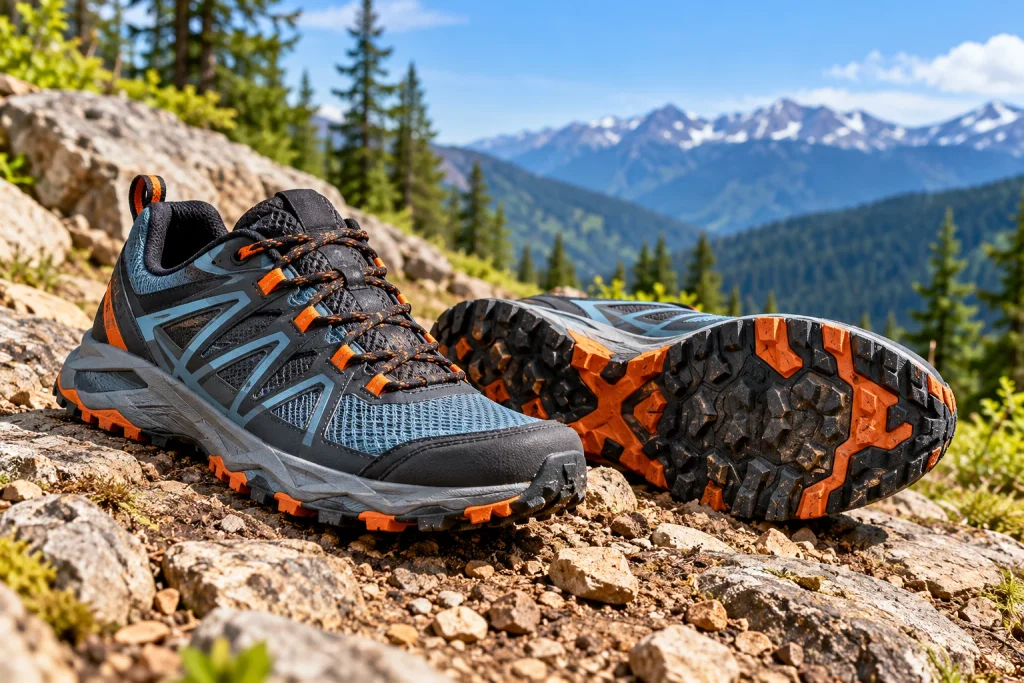
A useful running shoe review explains how the shoe performs for a particular runner and purpose. It should provide enough detail to help you decide whether that experience applies to you.
A five-star rating alone cannot answer that question. Testing conditions and specific observations are more valuable.
1. Fit, Sizing, and Toe Room
Fit deserves attention before any performance feature. Even an expensive running shoe may feel uncomfortable if its shape does not match your foot.
Look for reviews that describe:
- Whether the shoe runs true to size.
- Toe box width and available toe room.
- Heel slipping or excessive heel pressure.
- Midfoot tightness and arch contact.
- Availability of narrow, standard, or wide sizes.
- Differences between men’s and women’s versions.
A reviewer describing a narrow toe box provides useful information. However, the same fit may feel secure to someone with narrower feet.
For another perspective, the Cleveland Clinic’s running shoe guidance emphasizes fit, cushioning, and running mechanics.
2. Cushioning and Underfoot Comfort
Cushioning describes how the shoe absorbs and responds to loading beneath your feet. Reviews should explain the actual underfoot experience rather than relying only on marketing terms.
Common descriptions include:
- Soft cushioning: A plush sensation that some runners prefer for easy miles.
- Firm cushioning: A more solid underfoot feeling.
- Responsive cushioning: Foam that rebounds noticeably after compression.
- Maximum cushioning: A design using substantial underfoot foam.
- Minimal cushioning: Less material separating the foot from the ground.
More cushioning does not automatically mean better comfort. A thick, soft midsole might feel comfortable to one runner but awkward to another.
Look for specific comments about comfort after longer runs. First impressions alone rarely tell the full story.
3. Stability and Support
Stability refers to how secure and controlled a running shoe feels during movement. It can come from a wide platform, midsole geometry, upper structure, or dedicated support features.
Running shoes commonly fall into neutral and stability categories. However, a neutral shoe can still feel stable.
Useful reviews explain:
- Whether the platform feels secure during landing.
- If the heel shifts inside the shoe.
- How the shoe behaves when cornering.
- Whether the midsole feels excessively soft or unstable.
- How any support features affect comfort.
Don’t assume that every runner with flat feet needs a stability shoe. Foot shape alone doesn’t determine the correct footwear.
The American College of Sports Medicine provides educational resources on selecting footwear and understanding running biomechanics.
4. Durability and Outsole Wear
Durability describes how well a shoe maintains its structure and performance during repeated use. A detailed review should examine more than whether the shoe still looks attractive.
Look for observations about:
- Outsole rubber wearing down.
- Midsole cushioning losing its original feel.
- Upper mesh developing tears.
- Heel lining wearing through.
- Outsole grip changing over time.
- Glue or structural components separating.
Testing distance matters. A shoe reviewed after ten miles has not received the same durability evaluation as one used for hundreds of miles.
A common replacement reference is approximately 300–500 miles, but actual shoe life varies. The England Athletics shoe guide discusses this range alongside visible wear and cushioning changes.
5. Traction and Surface Performance
Traction describes the grip between the shoe’s outsole and the running surface. A shoe that performs well on dry pavement may behave differently on wet roads.
Find reviews covering conditions similar to yours:
- Dry roads and sidewalks.
- Wet pavement.
- Indoor treadmills.
- Gravel paths.
- Loose dirt or muddy trails.
Pay particular attention to whether reviewers actually tested wet conditions. A photograph of an aggressive outsole pattern cannot confirm grip performance.
6. Breathability and Upper Construction
The upper is the material surrounding the top and sides of your foot. It influences ventilation, lockdown, comfort, and protection.
Reviews should explain whether the upper feels breathable during warm-weather runs. Also check for rubbing around the heel, tongue, and forefoot.
Mesh and knit fabrics can feel different even when both appear lightweight. Construction, padding, and fit influence the result.
7. Shoe Weight and Running Feel
Weight can influence how a shoe feels during repeated strides. However, the lightest model isn’t automatically the most suitable one.
Check whether a reviewer reports the shoe size used for weighing. Weight figures can differ by shoe size, version, and measurement method.
For everyday running, comfort and predictable performance often deserve more attention than small differences in grams.
How Can You Tell Whether a Running Shoe Review Is Trustworthy?
Trustworthy reviews describe testing methods, limitations, and the runner’s experience. They explain why a conclusion was reached instead of relying on an enthusiastic rating.
I would give more weight to a modest review with detailed testing notes than a glowing review with little supporting information.
Look for Transparent Testing Details
Strong reviews tell readers how the shoes were evaluated. This helps separate short-term impressions from observations gathered during regular training.
- Distance tested: How many miles or kilometers were completed?
- Running pace: Were the shoes tested at easy, moderate, or fast paces?
- Terrain: Were runs completed on roads, treadmills, or trails?
- Weather: Were wet or hot conditions included?
- Reviewer context: What is the runner’s approximate weight, foot shape, and preferred shoe type?
- Product history: Did the reviewer compare the shoe with previous versions?
These details help you judge how closely the testing matches your own running habits.
Check for Balanced Pros and Cons
Every running shoe involves tradeoffs. A reviewer who discusses weaknesses alongside strengths usually gives you more useful buying information.
For example, a highly cushioned shoe might feel comfortable during easy runs yet cumbersome during faster sessions. Neither observation necessarily makes it a bad shoe.
Understand Affiliate Links and Sponsorships
Some reviewers earn commissions when readers purchase through affiliate links. Others may receive products for review or participate in paid partnerships.
An affiliate relationship does not automatically make a review unreliable. Look for transparent disclosures, balanced criticism, and evidence supporting the recommendations.
Which Running Shoe Review Details Matter Most?
Different running goals change which review details deserve priority. Use this comparison table to focus on what matters for your training.
| Running Goal | Review Priorities | Common Tradeoff |
|---|---|---|
| Beginner running | Fit, comfort, ease of use | Extra features may increase cost. |
| Daily training | Durability, comfort, versatility | Durable shoes may feel heavier. |
| Long-distance running | Sustained comfort, fit, cushioning | Plush designs may feel less agile. |
| Speed workouts | Weight, responsiveness, transitions | Some performance models sacrifice durability. |
| Trail running | Grip, protection, security | Aggressive tread may feel less smooth on roads. |
This table offers a practical starting point, not a universal ranking. Your foot comfort should remain part of every decision.
What Running Shoe Specifications Should Reviews Explain?
Specifications help you compare designs more objectively. However, numbers become useful only when you understand how they relate to your experience.
Heel-to-Toe Drop
Heel-to-toe drop is the height difference between the heel and forefoot of a shoe. Manufacturers usually express this measurement in millimeters.
A 10 mm drop means the heel sits 10 mm higher than the forefoot. A 0 mm drop means those heights are equal.
Changing drop can alter how running loads are distributed. Runners accustomed to one geometry should approach major changes gradually.
Stack Height
Stack height describes the vertical amount of material beneath the foot at a specified point. Higher stack measurements generally indicate more material underfoot.
Yet stack height alone cannot tell you how soft or stable a shoe feels. Foam properties and platform geometry also matter.
Midsole Foam
The midsole sits between the upper and outsole. It plays a major role in cushioning, responsiveness, and the overall running sensation.
Different foam formulations can behave differently under load. A good review explains how the material feels rather than repeating brand terminology.
Outsole and Upper Materials
Outsole materials affect grip and wear resistance, while upper materials influence fit and ventilation. Reviews should connect these design choices with observed performance.
Be cautious when a reviewer describes a material as exceptionally durable without meaningful testing.
What Is the Difference Between Expert Reviews and Customer Reviews?
Expert reviews often provide structured testing and technical comparisons. Customer reviews can reveal everyday ownership experiences across different foot shapes and usage patterns.
Both sources have limitations, so combining them is usually more helpful than relying on either alone.
| Factor | Expert Reviews | Customer Reviews |
|---|---|---|
| Testing | Often structured | Usually informal |
| Technical details | Often extensive | Highly variable |
| Long-term ownership | Depends on test duration | May include months of use |
| Best use | Understanding performance | Spotting ownership patterns |
When reading customer feedback, look for repeated, specific complaints rather than isolated emotional reactions. Also verify that feedback applies to the exact model and version you’re researching.
What Mistakes Should You Avoid When Reading Running Shoe Reviews?
The biggest mistake is assuming that a highly rated shoe must suit every runner. Reviews become more useful when you recognize their limitations.
- Trusting star ratings alone: A rating doesn’t explain foot shape, running conditions, or testing depth.
- Ignoring fit differences: Comfortable shoes for one person may feel tight or loose to another.
- Comparing outdated versions: Manufacturers can change geometry, cushioning, and fit between generations.
- Overvaluing specifications: Impressive measurements don’t guarantee comfort.
- Ignoring negative feedback: Detailed criticism may identify problems relevant to your needs.
- Believing universal claims: No shoe guarantees injury prevention or superior performance for everyone.
- Confusing initial comfort with durability: A pleasant first run reveals little about long-term wear.
- Ignoring terrain: Road and trail footwear serve different surface demands.
Another common mistake is treating promotional descriptions as independent testing. Marketing materials can explain design intentions, but they cannot replace real-world evaluation.
How Should Beginners Use Running Shoe Reviews Before Buying?
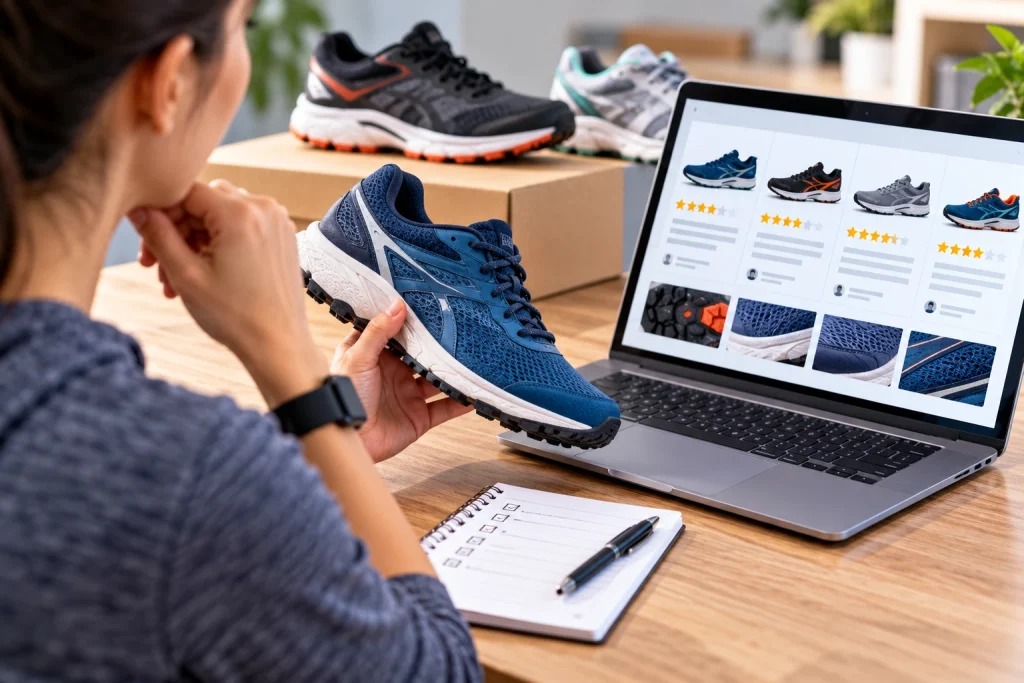
Beginners should start by identifying their running environment, preferred comfort level, and fit requirements. Then compare a small number of suitable models rather than dozens of unrelated options.
- Define your purpose: Decide whether the shoes are mainly for walking, jogging, daily training, or trails.
- Identify fit needs: Consider foot width, toe room, and previous comfort problems.
- Shortlist three models: Choose shoes intended for your main activity.
- Read detailed reviews: Look for comparable testing conditions and balanced criticism.
- Compare specifications: Check drop, cushioning category, support, and available widths.
- Review customer feedback: Identify repeated complaints that matter to you.
- Try the shoes: Walk and jog in them when possible, checking heel security and toe space.
- Check return policies: Understand whether worn or tested shoes qualify for returns.
For example, imagine choosing between a neutral everyday trainer and a highly cushioned long-run shoe. Both may receive excellent reviews, yet their feel and intended uses differ.
The better choice depends on which one fits comfortably and supports your normal routine.
Which Running Shoes Are Worth Comparing in 2026?
These three models illustrate different review priorities: balanced daily training, plush cushioning, and a supportive platform. Their specifications come from manufacturer descriptions rather than independent hands-on testing conducted for this article.
Affiliate disclosure: As an Amazon Associate, this website may earn from qualifying purchases. The following links open Amazon search results, and product availability or pricing may change.
🏆 Balanced Daily Training
Brooks Ghost 17
★★★★☆
Editorial category fit: 4/5, not a customer rating.
The Ghost 17 features balanced cushioning, a 10 mm drop, and a manufacturer-listed men’s weight of approximately 286 g. I would shortlist it when comparing neutral daily trainers and pay particular attention to fit, ride consistency, and outsole wear in independent reviews.
☁️ Plush Cushioning
ASICS Gel-Nimbus 28
★★★★☆
Editorial category fit: 4/5, not a customer rating.
The Gel-Nimbus 28 combines FF BLAST PLUS cushioning with PureGEL technology and has an 8 mm drop. I would consider it for a cushioning-focused comparison while checking independent feedback about weight, upper fit, and stability.
🛡️ Supportive Platform
Saucony Guide 18
★★★★☆
Editorial category fit: 4/5, not a customer rating.
The Guide 18 uses PWRRUN cushioning, CenterPath technology, and a 6 mm drop. Its broad platform makes it worth comparing when support is a priority, although I would verify personal comfort before choosing it.
Frequently Asked Questions About Running Shoe Reviews
Are online running shoe reviews reliable?
Online running shoe reviews can be reliable when they explain testing conditions, disclose relevant commercial relationships, and provide balanced observations. Compare several sources and prioritize comments about fit, cushioning, durability, and specific running situations rather than relying entirely on star ratings.
What is the most important feature in a running shoe review?
Fit is one of the most important features because an uncomfortable shoe can undermine the value of other performance characteristics. Look for information about toe room, heel security, width, and whether the shoe feels comfortable during movement.
Should beginners trust professional running shoe reviewers?
Professional reviews can help beginners understand technical details and model differences. However, reviewers may have different foot shapes and preferences, so their conclusions should guide your shortlist rather than replace personal fit testing.
How many running shoe reviews should you read before buying?
There is no required number. As a practical starting point, compare two or three detailed independent reviews and a selection of relevant customer experiences. Look for agreement about important strengths and weaknesses, then confirm sizing and return options.
Do expensive running shoes always receive better reviews?
Higher prices do not guarantee better suitability. Expensive models may include specialized foams or racing features, but a simpler daily trainer can still be the better choice for comfort, durability, and everyday running.
Final Takeaway: How to Read Running Shoe Reviews Smarter
Knowing what to look for in running shoe reviews makes it easier to separate useful evidence from promotional language. Start with fit, comfort, cushioning, stability, and durability before considering ratings or brand popularity.
Compare several sources, check the exact model version, and prioritize reviews from runners with similar needs. Most importantly, remember that the best-reviewed shoe is not necessarily the best-fitting shoe for you.
Ready to compare your options? Build a shortlist of three running shoes, review their strengths and limitations, and choose the pair that feels right for your running routine.


Steven is a former sportsperson and now a full-time businessman and research writer. He is the mastermind of this site, and he created this site to help people who need specialized shoes for different activities. When he was a sportsperson, he was very passionate about different types of shoes for his sports purpose. The passion he had for shoes at that time now turned into his profession. Besides his shoe business, he loves sharing his knowledge and experience with people and helping them maintain healthy feet.
More Posts