
Quick Answer
The Brooks Launch 10 is a lightweight, neutral road-running shoe that works well for daily training, shorter runs, and occasional faster workouts. Its 10 mm heel-to-toe drop, responsive DNA cushioning, and comfortable upper make it a practical choice for runners who prefer a traditional feel. In 2026, it remains worth considering at a good discount, although newer models offer updated cushioning. Compare its specifications using our running shoe specifications guide before deciding.
Three Reasons to Consider the Launch 10
- Lightweight construction: The men’s shoe has a manufacturer-listed weight of approximately 8.3 ounces.
- Versatile performance: Its moderately cushioned platform suits everyday road running and moderate tempo sessions.
- Potential value: Discounted older stock may offer an affordable alternative to newer daily trainers.
Reasons to Look Elsewhere
- Firm cushioning: Runners seeking a plush long-distance shoe may prefer another model.
- Limited advanced features: The Launch 10 lacks the newer nitrogen-infused cushioning found in the Launch 12.
- Older inventory: Check manufacturing age, seller reliability, and return conditions before purchasing.
Finding an affordable running shoe that handles both easy miles and faster workouts can be difficult. The Brooks Launch 10 deserves attention because it prioritizes simplicity and low weight.
In this Brooks Launch 10 review, I’ll examine its specifications, fit, cushioning, durability, and current value. My assessment uses manufacturer information and published independent testing rather than claiming a personal mileage test.
What Is the Brooks Launch 10 Running Shoe?
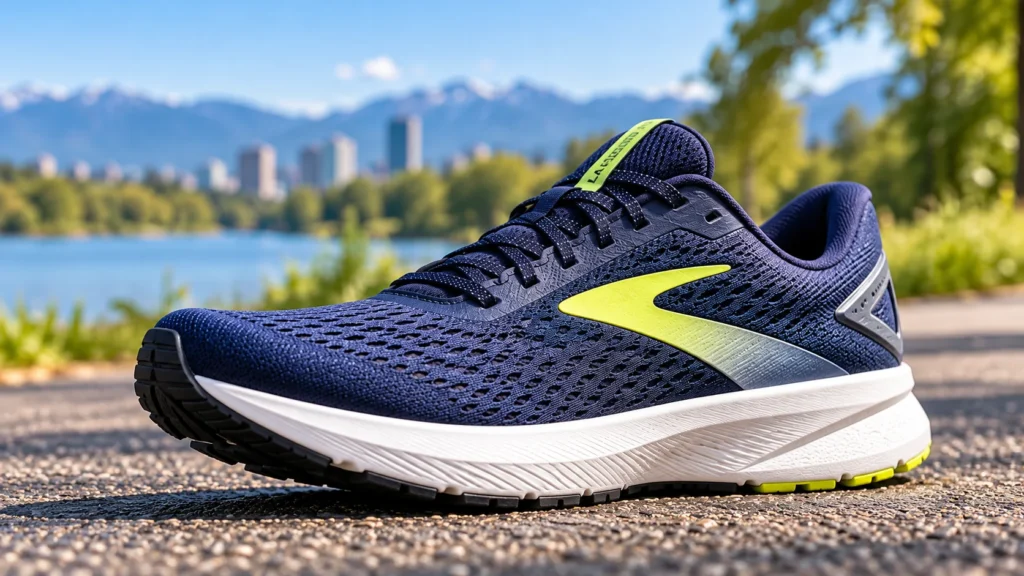
The Brooks Launch 10 is a neutral road-running shoe designed for everyday training and quicker sessions. It combines traditional DNA midsole cushioning with a lightweight construction and a secure engineered upper.
Unlike maximum-cushion trainers, the Launch 10 emphasizes a more direct connection with the running surface. That design may appeal to runners who dislike heavy, excessively soft footwear.
Brooks Launch 10 Key Specifications
- Running shoe type: Neutral road trainer.
- Best use: Daily running, shorter workouts, and moderate tempo sessions.
- Midsole cushioning: Brooks DNA foam.
- Heel-to-toe drop: 10 mm.
- Men’s listed weight: 8.3 oz (235.3 g).
- Upper: Engineered warp-knit construction.
- Outsole: Rubber with a transition-focused tread pattern.
- Support category: Neutral.
- Original retail price: Approximately $110 in the United States.
Brooks identifies lightweight cushioning, quick transitions, and upper breathability as the shoe’s main features. These details appear in the official Brooks Launch 10 specifications.
Published shoe weights represent particular sample sizes. Your pair may weigh more or less depending on its size and width.
Who Should Buy the Brooks Launch 10?
The Launch 10 suits neutral runners who want a straightforward shoe without excessive bulk. Its strongest appeal is versatility at a potentially affordable price.
Runners Most Likely to Enjoy It
- Beginners: Runners seeking a traditional daily trainer for building consistent mileage.
- Budget-conscious runners: Shoppers finding legitimate discounted stock in their size.
- Tempo-focused runners: People who prefer a lighter shoe for moderate faster efforts.
- Two-shoe rotation users: Runners pairing a lighter trainer with a softer long-run shoe.
- Traditional-shoe fans: Runners who enjoy familiar cushioning and a 10 mm drop.
I would especially consider the Launch 10 for someone whose current running shoes feel unnecessarily heavy. However, lower weight should never outweigh proper fit.
Who Should Avoid the Brooks Launch 10?
Not every runner will appreciate its relatively traditional underfoot feel. Comfort expectations matter more than its lightweight label.
- Runners seeking maximum cushioning for long, relaxed sessions.
- People who prefer exceptionally soft or springy midsoles.
- Runners requiring dedicated stability features or motion guidance.
- People who regularly run on muddy trails or slippery surfaces.
- Buyers who can purchase a newer model for a similar price.
The Launch 10 is a neutral shoe, not a dedicated stability model. Runners who benefit from structured support should compare stability-focused alternatives rather than relying on this shoe’s basic geometry.
How Does the Brooks Launch 10 Perform During Running?
The Brooks Launch 10 offers a balanced, moderately cushioned experience with enough flexibility for everyday training. Its straightforward construction works better for versatility than specialized racing performance.
Does the Brooks Launch 10 Have Good Cushioning?
The Launch 10 provides sufficient cushioning for many everyday road runs, but it isn’t exceptionally plush. Its DNA midsole feels more traditional than the energetic foams used in newer performance shoes.
Independent laboratory testing by RunRepeat measured approximately 33.8 mm beneath the heel and 23.8 mm beneath the forefoot. Those measurements produced a 10 mm drop, matching Brooks’ published specification.
The same testing found moderate energy return rather than an especially bouncy ride. This supports viewing the Launch 10 as a versatile everyday trainer rather than a high-performance racing shoe.
Is the Brooks Launch 10 Good for Speed Work?
Yes, the Launch 10 can handle moderate tempo efforts, short intervals, and quicker daily runs. Its low weight and transition-focused outsole encourage a relatively nimble running experience.
However, it doesn’t provide the aggressive propulsion or advanced cushioning associated with dedicated racing shoes. I would treat it as a lightweight training option rather than a personal-record specialist.
The most suitable workouts include:
- Easy runs with short faster sections.
- Moderate tempo workouts.
- Short controlled intervals.
- Regular road-running sessions.
- Shorter-distance training runs.
Is the Brooks Launch 10 Stable?
The Launch 10 provides ordinary neutral-shoe stability without a dedicated support system. Its cushioning and heel structure can feel reasonably secure for runners who don’t require additional guidance.
Independent measurements reveal a relatively narrow heel platform compared with some modern stability shoes. That may matter to runners who need a broader rearfoot base.
Pay attention to these factors when evaluating stability:
- Whether your heel stays centered during landing.
- Whether you feel comfortable when turning.
- Whether the midsole compresses evenly beneath your feet.
- Whether fatigue changes your sense of control.
How Does the Outsole Perform?
The Launch 10 uses a rubber outsole designed to balance durability and efficient transitions. It is primarily intended for relatively consistent road surfaces.
Its rubber coverage offers useful protection against everyday pavement wear. However, independent wet-surface traction testing suggests caution on slick concrete.
For wet roads, I would prioritize secure traction over low shoe weight. The Launch 10 shouldn’t be mistaken for a technical trail-running shoe.
How Does the Brooks Launch 10 Fit and Feel?
The Brooks Launch 10 generally fits true to size, although individual foot shape still determines comfort. Independent fit testing found a reasonably accommodating overall width with less vertical room near the toes.
Toe Box and Forefoot Fit
The forefoot should feel comfortably secure without squeezing your toes. Runners with especially tall or high-volume forefeet should check the available space above their toes.
A standard-width shoe may work well for many runners, but it isn’t automatically suitable for every wide foot. Try available width options where possible.
Heel Lockdown and Upper Comfort
The engineered upper helps hold the foot in place during running. The semi-gusseted tongue observed in independent testing also helps limit unwanted movement.
Brooks describes the refreshed upper as breathable, although laboratory testing found only moderate ventilation. Runners in particularly hot weather should consider this limitation.
How Should You Check the Fit?
I recommend evaluating the Launch 10 while wearing your normal running socks. Small pressure points can become distracting during repeated strides.
- Check toe clearance: Allow roughly one thumb-width beyond your longest toe.
- Inspect forefoot width: Your toes should move without painful squeezing.
- Test heel security: Walk and jog to identify repeated heel slipping.
- Check upper pressure: Notice tightness across the top of your foot.
- Move naturally: Evaluate comfort without forcing an unfamiliar stride.
Our 12-point running shoe fitting checklist provides more detailed fitting steps. The REI running shoe fitting guide also recommends checking toe room, heel security, and both feet.
Is the Brooks Launch 10 Durable Enough for Daily Running?
The Launch 10 has a reasonably durable outsole and heel construction for its lightweight category. However, its actual lifespan depends on running conditions, body mechanics, and usage.
Independent testing reported favorable outsole abrasion resistance and strong heel-lining durability. These results suggest a useful durability foundation, although laboratory wear cannot guarantee a particular mileage lifespan.
What Affects the Shoe’s Lifespan?
- Running surface: Rough pavement may accelerate rubber wear.
- Running mechanics: Localized contact patterns can increase wear in particular areas.
- Training frequency: Frequent use exposes the cushioning to repeated compression.
- Weather: Extreme conditions and improper drying may affect materials.
- Storage: Excessive heat and prolonged poor storage can affect footwear condition.
I wouldn’t promise a fixed number of miles for the Launch 10. The condition of its foam, outsole, and upper matters more than an arbitrary mileage target.
Check our guide to signs running shoes are worn out for practical replacement indicators.
Brooks Launch 10 vs. Launch 12 vs. Ghost 17: Which Is Better?
The Brooks Launch 10 competes with newer models that prioritize different running experiences. The Launch 12 offers updated responsive cushioning, while the Ghost 17 emphasizes a more cushioned everyday ride.
The following comparison uses published men’s specifications. Weights may differ slightly because manufacturers don’t always use identical sample sizes.
| Feature | Launch 10 | Launch 12 | Ghost 17 |
|---|---|---|---|
| Category | Lightweight trainer | Responsive daily trainer | Cushioned daily trainer |
| Midsole | DNA | DNA FLASH and DNA FLASH v2 forefoot | DNA LOFT v3 |
| Drop | 10 mm | 8 mm | 10 mm |
| Listed men’s weight | 8.3 oz | 8.9 oz | 10.1 oz |
| Support | Neutral | Balanced support | Neutral |
| Best reason to choose | Low weight and discount value | Updated responsive ride | More cushioning for daily miles |
Launch 10 vs. Launch 12
The Launch 12 uses updated nitrogen-infused cushioning and an 8 mm drop. These differences give it a distinct construction rather than simply a new appearance.
Its listed weight is higher than the Launch 10’s, but weight alone cannot determine comfort or performance. The official Launch 12 product information confirms its updated features.
Launch 10 vs. Ghost 17
The Ghost 17 prioritizes a more cushioned daily-running experience. Its DNA LOFT v3 foam and higher listed weight distinguish it from the lighter Launch 10.
I would compare the Ghost 17 for longer, relaxed training sessions. The Launch 10 makes more sense when low weight and a traditional responsive feel are priorities.
Brooks explains the Ghost’s cushioning development in its Ghost running shoe evolution guide.
Is the Brooks Launch 10 Still Worth Buying in 2026?
Yes, but mainly when you find a substantial discount on a genuine pair in good condition. At a price close to the Launch 12, I would normally prioritize comparing the newer shoe first.
The Launch 10 originally retailed for approximately $110, but that isn’t its guaranteed current selling price. Remaining inventory, sizing, and retailer discounts can change independently.
When Does Buying the Launch 10 Make Sense?
- Clear discount: It costs meaningfully less than a newer alternative.
- Suitable fit: The toe box, heel, and midfoot match your foot comfortably.
- Preferred ride: You enjoy traditional DNA cushioning and a 10 mm drop.
- Trusted seller: The retailer provides clear product details and a reasonable return policy.
- Good condition: The pair shows no signs of poor storage or material deterioration.
What Should You Check With Older Inventory?
A new-looking shoe isn’t necessarily recently manufactured. Stored foam, adhesives, and other materials can age over time, particularly under unsuitable conditions.
Before buying, inspect these details:
- The product is genuinely the Launch 10 rather than another Launch version.
- The seller confirms whether the pair is new and unworn.
- There are no signs of sole separation or damaged materials.
- Both shoes have matching sizes and model information.
- The store offers a suitable return or exchange option.
How Should You Test the Brooks Launch 10 Before Buying?
A short fitting session should reveal the most obvious comfort problems. It cannot predict every long-run issue, but it helps prevent avoidable sizing mistakes.
- Start with a standing fit check: Wear your running socks and confirm toe space.
- Walk normally: Notice rubbing, pressure, or unwanted heel movement.
- Jog briefly: Check how the cushioning and transitions feel.
- Increase your pace slightly: Assess whether the shoe still feels secure during quicker movement.
- Recheck both feet: Look for localized pressure, numbness, or uncomfortable tightness.
- Review the return policy: Confirm what testing the retailer permits before outdoor use.
My practical rule is to reject a shoe that requires painful tightness to feel secure. A lightweight construction cannot compensate for a poor fit.
It also helps to compare evidence from several reviewers. Our guide on what to look for in running shoe reviews explains how to evaluate fit reports, laboratory measurements, and wear-test limitations.
What Are the Pros and Cons of the Brooks Launch 10?
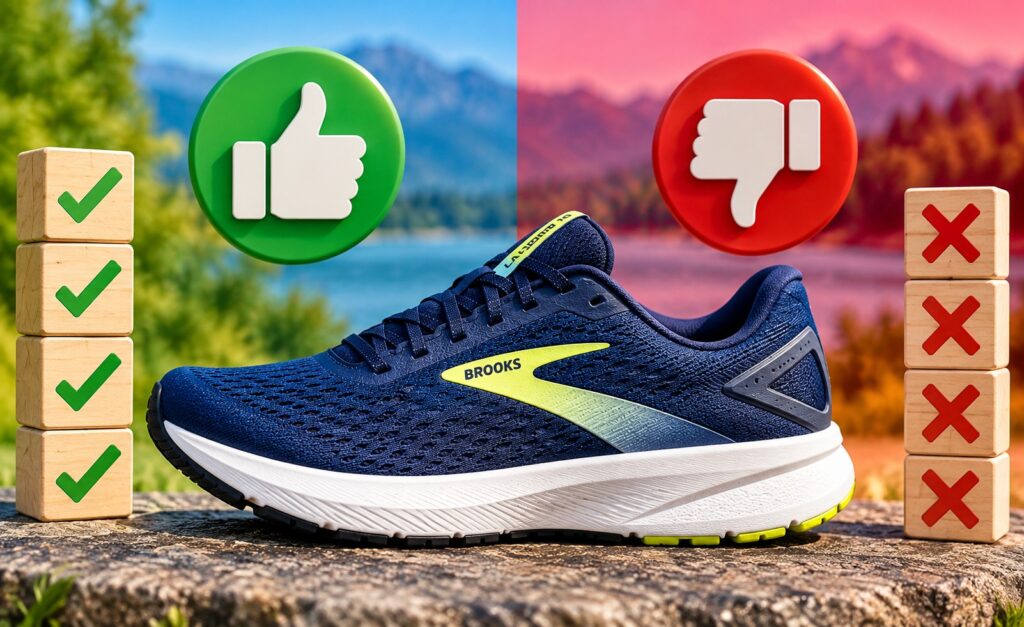
The Launch 10’s strengths involve simplicity, reasonable weight, and versatility. Its weaknesses become clearer when compared with modern cushioned trainers.
Pros
- Lightweight design for a traditional daily trainer.
- Works across several everyday running paces.
- Comfortable upper construction for many runners.
- Reasonably durable outsole based on independent testing.
- Potentially attractive value when discounted.
Cons
- Less energetic cushioning than newer premium models.
- Not especially plush for cushioning-focused runners.
- Moderate rather than outstanding ventilation in independent testing.
- Wet-road traction deserves caution.
- Older inventory may be harder to find in suitable sizes.
Which Brooks Running Shoes Are Worth Considering Instead?
These three shoes serve different priorities: older-model value, updated responsiveness, and everyday cushioning. I would choose among them based on fit, training purpose, and the actual price available.
Affiliate disclosure: The following links open Amazon product search results. As an Amazon Associate, this website may earn from qualifying purchases at no additional cost to you. The ratings are editorial suitability assessments, not verified customer ratings or personal wear-test scores.
💰 Best Discount Candidate
Brooks Launch 10
★★★★☆ 4/5
The Launch 10 combines DNA cushioning, a 10 mm drop, and an 8.3 oz listed men’s weight. I’d consider it for lightweight daily running when a trustworthy seller offers a meaningful discount.
⚡ Best Updated Launch Option
Brooks Launch 12
★★★★½ 4.5/5
The Launch 12 introduces nitrogen-infused DNA FLASH cushioning, an updated forefoot, and an 8 mm drop. It would be my first newer comparison for runners interested in a responsive everyday shoe.
☁️ Best Cushioning Alternative
Brooks Ghost 17
★★★★☆ 4/5
The Ghost 17 features DNA LOFT v3 cushioning, a 10 mm drop, and a more cushioning-focused design. I’d compare it for regular easy miles when comfort matters more than minimizing shoe weight.
Frequently Asked Questions About the Brooks Launch 10
Is the Brooks Launch 10 good for beginners?
Yes. The Brooks Launch 10 can suit beginners seeking a neutral, lightweight road-running shoe with traditional cushioning. Its versatility makes it useful for shorter runs and everyday training. However, beginners should prioritize comfortable sizing and adequate support rather than buying solely because the shoe is lightweight.
Is the Brooks Launch 10 true to size?
The Brooks Launch 10 generally fits true to size according to independent testing and user feedback. However, runners with wide or high-volume feet should check available width and toe-box space carefully. Always compare the actual fit with your foot measurements and usual running socks.
Can you run a marathon in the Brooks Launch 10?
Some runners may find the Brooks Launch 10 comfortable enough for marathon training or racing. However, its cushioning isn’t especially plush or highly responsive compared with dedicated long-distance models. Test it over progressively longer runs before considering it for marathon distance.
Is the Brooks Launch 10 better than the Brooks Ghost?
Neither shoe is universally better. The Launch 10 prioritizes lower weight and a traditional responsive feel, while cushioned Ghost models generally focus more on everyday comfort. Choose the Launch for lighter training needs or compare the Ghost if you prefer additional cushioning.
Should you buy the Brooks Launch 10 or Launch 12 in 2026?
The Launch 12 makes sense when you want newer cushioning technology and can afford its current price. The Launch 10 remains a reasonable choice if its fit suits you and its price is substantially lower. Check the exact seller, size, and condition before purchasing older stock.
Final Verdict: Should You Buy the Brooks Launch 10?
The Brooks Launch 10 remains a capable lightweight road trainer for runners who appreciate simple, moderately responsive cushioning. Its main advantages are versatility, relatively low weight, and potential discounted value.
However, I wouldn’t choose it automatically over newer models in 2026. The Launch 12 and Ghost 17 provide useful alternatives for runners seeking updated responsiveness or additional cushioning.
My recommendation: Buy the Launch 10 when it fits comfortably, its condition is sound, and the discount makes sense. Otherwise, compare newer Brooks models before deciding.
Start with your running needs, confirm the fit, and choose the shoe you’ll feel comfortable wearing consistently.