
Quick Answer
Most beginners need just one good pair of running shoes. A comfortable daily trainer can handle walk-run workouts, easy miles, and your first 5K. A second pair becomes useful when you run frequently, need different traction, or want a backup. The OHSU running guidance also encourages beginners to choose forgiving shoes rather than aggressive designs.
How many pairs should you own?
- New runners: Start with one comfortable daily training pair.
- Occasional runners: One pair normally covers one or two weekly workouts.
- Regular runners: Consider two pairs when training four or more days weekly.
- Mixed terrain: Consider separate road and trail shoes when traction requirements differ.
- Advanced training: Three pairs may help organize easy, fast, and off-road sessions.
My starting recommendation
- Buy one pair first: Choose comfort, correct fit, and suitable traction.
- Track your mileage: Add another pair only when your running routine justifies it.
Starting a running habit shouldn’t mean buying a closet full of expensive shoes. I prefer a simpler approach: start with one dependable pair and learn what your feet need.
In this guide, I’ll explain when one pair is enough, when shoe rotation makes sense, and how to avoid unnecessary purchases.
How Many Pairs of Running Shoes Does a Beginner Actually Need?
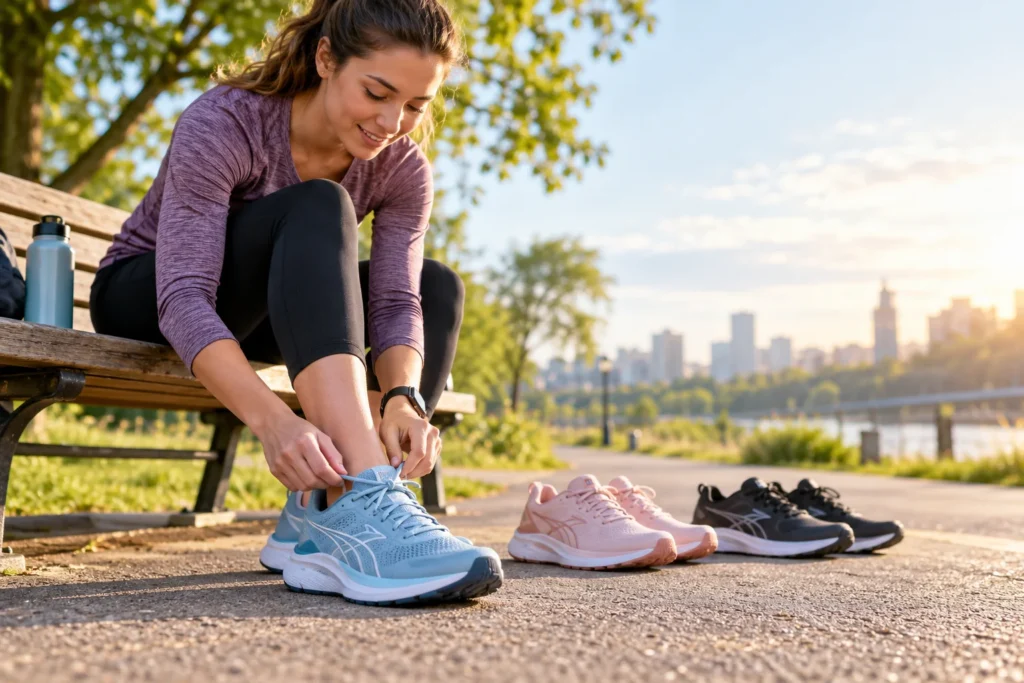
For most beginners, one pair is enough for the first several weeks or months. Your training frequency, surfaces, and shoe condition matter more than the number of pairs you own.
A daily trainer is a running shoe designed for regular training rather than specialized racing. It typically balances cushioning, stability, durability, and comfort.
You can use an appropriately fitted daily trainer for several activities:
- Short run-walk intervals.
- Easy neighborhood runs.
- Treadmill sessions.
- Gradual 5K training.
- Occasional longer runs as your fitness develops.
You don’t need separate shoes for every pace. A versatile first pair is usually the more practical investment.
Running Shoe Quantity by Training Frequency
The table below gives practical starting points. These are shopping guidelines, not medical rules or strict mileage requirements.
| Running Routine | Suggested Pairs | Reason |
|---|---|---|
| 1–2 runs per week | 1 pair | One daily trainer covers occasional sessions. |
| 3–4 runs per week | 1–2 pairs | A backup may improve convenience. |
| 5 or more runs per week | 2 pairs | Alternating pairs can accommodate frequent use. |
| Road and technical trails | 2 pairs | Different terrain may require different grip. |
| Structured speed and distance training | 2–3 pairs | Specialized shoes become optional tools. |
Notice that running three or four days weekly doesn’t automatically require two pairs. If your existing shoes work comfortably, there’s no need to purchase extras immediately.
Why Is One Pair of Running Shoes Enough for Most Beginners?
One reliable pair simplifies training while keeping your starting costs manageable. It also helps you understand what feels comfortable before exploring other shoe designs.
1. Your Early Training Needs Are Usually Simple
Beginner programs commonly emphasize comfortable running, short distances, and gradual increases. You probably won’t need different shoes for recovery runs, intervals, and races immediately.
One suitable daily trainer can support those early workouts. Focus on building consistency first.
2. You Can Learn Your Personal Fit Preferences
Running shoes can feel surprisingly different despite having similar specifications. Some offer a soft ride, while others feel firmer or more responsive.
Wearing one comfortable pair initially gives you a useful reference point. You’ll better recognize what you want from a future purchase.
3. You Avoid Spending Money Too Early
Buying multiple premium pairs before establishing a routine can waste money. Your preferences may change as your fitness and running goals develop.
I’d rather see a beginner buy one properly fitted shoe than two poorly chosen pairs. Comfort matters more than collection size.
When Should Beginners Buy a Second Pair of Running Shoes?
Consider a second pair when your training schedule or running conditions create a practical need. It should solve a problem, not simply increase your shoe count.
These are common reasons to expand your collection:
- Frequent training: You’re running most days and want to alternate footwear.
- Wet conditions: Your primary shoes are still damp before your next workout.
- Different surfaces: You regularly alternate pavement with muddy or technical trails.
- Different workout demands: You want a distinct feel for faster workouts or longer runs.
- Backup availability: You want another suitable pair before your current shoes wear out.
Do You Need Two Pairs If You Run Every Day?
Two pairs can be convenient for daily runners, although they’re not mandatory. Alternating shoes lets you choose a dry pair and distribute mileage between them.
However, owning two pairs doesn’t guarantee fewer injuries. Gradual training, sufficient recovery, appropriate fit, and sensible workload remain important.
Beginners should also question whether running every day suits their current fitness. Rest days and lower-impact activities can be valuable during early training.
What Is Running Shoe Rotation, and Do Beginners Need It?
Running shoe rotation means alternating between two or more running shoes across workouts. Some runners alternate similar shoes, while others choose different models for different activities.
Beginners don’t need a complicated rotation. In fact, a simple schedule is easier to manage.
Example of a Two-Shoe Rotation
Imagine you’re completing four weekly runs. Your footwear schedule might look like this:
| Day | Workout | Shoes |
|---|---|---|
| Monday | Easy run | Pair A |
| Wednesday | Short relaxed run | Pair B |
| Friday | Easy run | Pair A |
| Sunday | Longer easy run | Pair B |
This is an example, not a required beginner schedule. You can also complete every session in one comfortable pair.
Does Rotating Running Shoes Make Them Last Longer?
Rotation spreads mileage across multiple pairs, so each pair accumulates wear more slowly. However, that doesn’t prove each pair will last more total running miles.
Alternating shoes may allow damp footwear to dry between runs. It can also help you avoid relying on one heavily worn pair.
Track mileage separately for each pair. Otherwise, rotating footwear can make replacement decisions confusing.
Do Beginners Need Three Different Pairs of Running Shoes?
Most beginners don’t need three pairs. A three-shoe rotation makes more sense after your training develops distinct needs.
A more experienced runner might organize footwear this way:
- Daily trainer: Comfortable cushioning for routine runs and general mileage.
- Faster trainer: A lighter or more responsive feel for structured speed sessions.
- Special-purpose shoe: A trail shoe, race shoe, or alternative trainer for specific conditions.
These categories can overlap. A single well-chosen shoe may handle several purposes without difficulty.
As a beginner, don’t buy racing shoes simply because professional athletes wear them. Your priorities should be comfort, appropriate fit, and sustainable training.
Should Beginners Have Separate Road and Trail Running Shoes?
Separate shoes become useful when the surfaces require different traction or protection. A normal road trainer can handle many paved paths and smooth, dry park routes.
Technical trails are different. Mud, loose rocks, slippery roots, and uneven ground may call for a purpose-built trail shoe.
Road Running Shoes vs. Trail Running Shoes
- Road shoes: Usually prioritize smooth transitions and comfort on pavement or treadmills.
- Trail shoes: Often feature deeper outsole lugs, tougher uppers, and terrain-specific protection.
- Road-to-trail shoes: Can provide a compromise for mixed routes without demanding terrain.
Choose footwear for the surfaces you actually encounter. Owning a trail shoe is unnecessary if you never leave paved routes.
What Should Beginners Look for in Their First Running Shoes?
Start with fit, comfort, and suitable design rather than brand popularity. Even an expensive shoe can be the wrong choice for your foot shape.
The American Academy of Orthopaedic Surgeons’ footwear guidance recommends checking toe room, heel security, and overall fit.
Five Things to Check Before Buying
- Toe space: Leave roughly half an inch between your longest toe and the shoe’s front, provided the overall fit remains secure.
- Heel hold: Your heel should stay comfortably in position without excessive slipping.
- Midfoot comfort: Avoid painful pressure, pinching, or excessive tightness.
- Cushioning: Choose a ride that feels comfortable and predictable rather than automatically selecting maximum softness.
- Terrain suitability: Make sure the outsole provides appropriate grip for your usual routes.
Try shoes with the socks you plan to wear while running. Test both feet because their sizes and shapes can differ.
Should You Choose Neutral or Stability Running Shoes?
Neutral shoes are a reasonable starting option for many new runners. Stability models provide additional guidance or support features for those who find them helpful.
Having flat feet doesn’t automatically mean you need maximum stability. Persistent pain, previous injuries, or unusual movement concerns deserve individual assessment.
A knowledgeable running-shoe fitter or qualified healthcare professional can help when standard models don’t feel comfortable.
How Much Should Beginners Spend on Running Shoes?
You don’t need the most expensive shoes to begin running. Set a realistic budget and prioritize proper fit over technical features you may never use.
As a practical shopping framework, consider these broad price bands:
- Under $80: Look for discounted previous-season running models from established manufacturers.
- $80–$120: Compare dependable daily trainers and promotional offers.
- $120–$160: Explore current-generation cushioned trainers with more fit and design choices.
- Above $160: Spend more only when a particular model’s comfort or features justify the extra cost.
These are suggested shopping ranges, not guaranteed market prices. Actual costs depend on size, location, retailer, and availability.
One well-fitting $100 shoe may be more useful than two uncomfortable $60 pairs. Don’t confuse quantity with value.
How Long Does One Pair of Running Shoes Last?
Many traditional running shoes are commonly replaced after approximately 300–500 miles (483–805 kilometers). This is a guideline, not an expiration guarantee.
The American Orthopaedic Foot & Ankle Society includes this range among its running injury prevention recommendations.
Actual lifespan depends on shoe construction, running surface, usage, and individual wear patterns. Examine the shoes rather than relying only on a mileage number.
How Long Will Running Shoes Last at Different Weekly Mileages?
| Weekly Distance | Time to Reach 300–500 Miles |
|---|---|
| 5 miles | 60–100 weeks |
| 10 miles | 30–50 weeks |
| 15 miles | 20–33 weeks |
| 20 miles | 15–25 weeks |
These calculations assume every listed mile is completed in the same pair. They don’t account for walking, other use, material aging, or different wear rates.
What Are the Signs Your Running Shoes Need Replacing?
- The outsole has significant wear or exposed underlying material.
- The midsole shows unusual compression or noticeable deformation.
- The heel counter loses its original shape or support.
- The shoe feels less stable or comfortable than before.
- Persistent rubbing or fit problems develop.
New discomfort doesn’t automatically mean worn footwear caused it. If pain persists, consider training changes and seek professional advice when appropriate.
What Mistakes Should Beginners Avoid When Buying Multiple Running Shoes?
Buying extra shoes isn’t automatically beneficial. Several common purchasing habits can create unnecessary costs or discomfort.
- Buying before establishing a routine: Learn your actual training needs first.
- Choosing by appearance alone: Attractive colors don’t guarantee a comfortable fit.
- Buying identical sizes across brands: Shoe shapes and sizing can differ.
- Ignoring terrain: Smooth road outsoles may be unsuitable for muddy trails.
- Using worn-out shoes indefinitely: Regularly inspect cushioning, fit, and outsole wear.
- Expecting rotation to prevent injuries: More footwear can’t replace sensible training and recovery.
One useful strategy is to delay your second purchase until you’ve built a consistent routine. This gives you real information about what your next pair should improve.
Which Running Shoes Are Worth Considering for Beginners in 2026?
If you’re ready to buy your first pair, I’d begin by comparing versatile daily trainers. The following models offer different comfort and fit priorities rather than specialized racing features.
These are feature-based editorial suggestions, not claims of personal testing. The displayed ratings are editorial suitability estimates, not verified customer review scores.
🏆 Best Everyday Starting Point
Brooks Ghost 18
★★★★☆ Editorial fit: 4.5/5
The Ghost 18 offers balanced cushioning, a secure upper, and a 10 mm heel-to-toe drop. It’s the first model I’d suggest trying when someone wants one dependable road-running shoe without specialized features. Check the fit before deciding.
👟 Best for Versatile Daily Miles
Saucony Ride 19
★★★★☆ Editorial fit: 4.4/5
The Ride 19 uses responsive PWRRUN+ cushioning and a breathable engineered mesh upper. I’d shortlist it for beginners who want one shoe for relaxed running and gradually increasing mileage, provided the fit feels right.
⭐ Best for Width Options
ASICS GEL-Cumulus 28
★★★★☆ Editorial fit: 4.3/5
The GEL-Cumulus 28 is a cushioned neutral daily trainer with a smooth-running design. I’d include it when comparing fit options because selected wide and extra-wide versions are offered, depending on size and market.
Affiliate disclosure: This article contains Amazon affiliate links. Qualifying purchases may earn us a commission at no additional cost to you. Product availability, pricing, and fit may vary.
Frequently Asked Questions
Can beginners run every day in the same pair of shoes?
Yes, one appropriately fitted pair can handle repeated running sessions. However, beginners should build training gradually and include adequate recovery. Running every day is not a requirement for improving fitness, and additional footwear doesn’t eliminate the risks of excessive training.
Do beginners need separate shoes for walking and running?
Not always. A comfortable running shoe can often handle casual walking and running, especially when you’re starting a walk-run program. However, frequent walking adds wear, and activities requiring different support or traction may justify separate shoes.
Do I need two pairs of running shoes for a 5K?
No. Most beginners can train for and complete a 5K in one well-fitting daily trainer. A second pair is optional for convenience or specific training needs. You don’t need specialized racing shoes simply because you’ve registered for your first event.
Can I use the same running shoes for treadmill and outdoor running?
Yes. One pair of road-running shoes can generally serve both treadmill sessions and outdoor runs on paved surfaces. If your outdoor routes involve mud, loose rocks, or technical terrain, separate trail footwear may provide more appropriate traction.
Is it cheaper to own one or two pairs of running shoes?
Owning one pair costs less upfront. Two pairs spread accumulated mileage between shoes, but you still need to replace each pair when it becomes worn. Rotation doesn’t automatically reduce lifetime footwear costs, so beginners should purchase extras only when they offer practical value.
Final Verdict: Start With One Pair and Build From There
Most beginners need one comfortable pair of running shoes, not an elaborate collection. Choose a suitable daily trainer, keep track of mileage, and pay attention to fit and wear.
Consider a second pair when your running frequency, terrain, or workout needs justify it. Your best running setup is the one that helps you train comfortably and consistently without unnecessary spending.