

QUICK ANSWER
It depends. Nike Structure 25 supports easy road miles with a broad base and firm heel. Its arch may bother flat feet. A lab weighed it at 302 g, making it less useful for speedwork. Buy only when the arch fits and the price is right.
What matters most in the Nike Structure 25:
- Steady support without a traditional rigid medial post.
- Grippy rubber outsole and a secure, padded heel.
- Heavy feel, warm upper, and potentially intrusive arch support.
Best suited to steady easy runs
Overall*
Comfort*
Value*
Traction*
*Converted from Running Shoes Guru’s published 10-point expert ratings, not personal testing.
Best for: Heel strikers seeking support on easy road runs.
Skip if: Firm arch pressure or heavy shoes bother you.
Tracked listing: $75.45 on Nov 2; size and price may differ.
EXPERT CATEGORY SCORES / 10
Published expert scores from Running Shoes Guru; these are editorial ratings, not lab measurements.
I’m Steven Tyler. This Nike Structure 25 review uses published tests and official specs, not my own wear testing. Does its firm arch fit your foot?
What Is the Nike Structure 25 and Who Is It For?
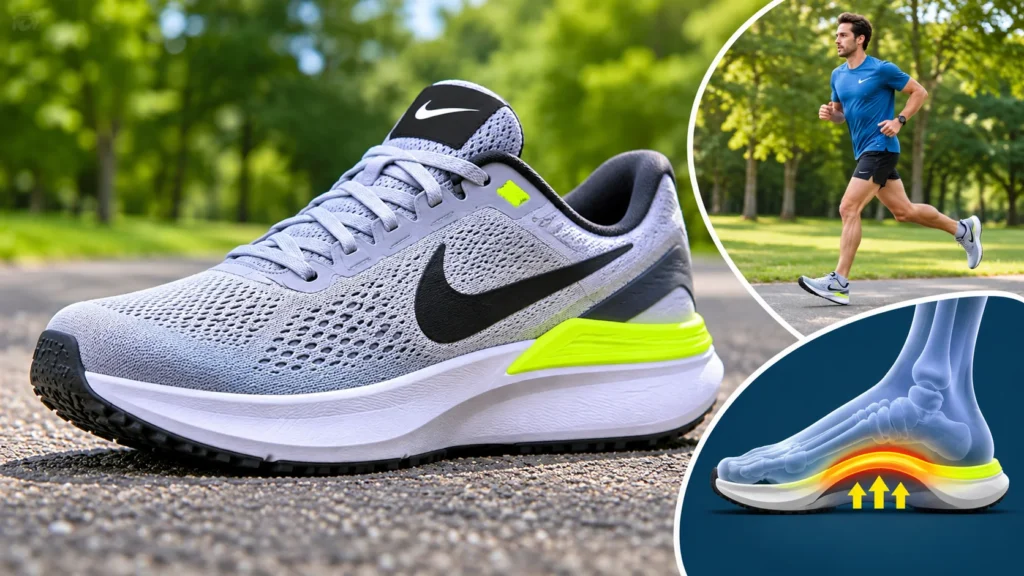
The Nike Structure 25 is a stability road shoe for easy running and walking. Cushlon 3.0 foam, forefoot Air Zoom, midfoot sidewalls, and a heel clip guide each stride without a rigid medial post.
Its steady platform suits some inward-rolling runners, but the raised arch can become a pressure point. Treat it as an easy-day trainer, not a speed shoe.
- Want stable shoes for easy road miles.
- Land mainly on your heel.
- Prefer a roomy toe area.
- Arch pressure causes discomfort.
- You need a light tempo shoe.
- You run in high heat.
Nike Structure 25 Pros and Cons
Strong guidance and rubber grip offset heavy weight and arch pressure.
- Wide heel platform supports stable, repeatable road landings.
- Lab-tested outsole showed limited abrasion under a controlled test.
- Generous padding helps keep the rearfoot securely in place.
- Waffle rubber grips wet pavement in independent wear tests.
- Prominent arch feels uncomfortable for some flat-footed runners.
- 302 g lab-tested weight limits faster running appeal.
- Dense mesh and thick padding hold more heat.
- Forefoot airbag can feel lumpy beneath some runners’ toes.
Nike Structure 25 Key Features: What Do Tests Show?
Does the midfoot support help with overpronation?
Yes, the Structure 25 offers strong guidance through broad foam sidewalls and a firm heel. RunRepeat scored stability 88/100 and rigidity 4/5.
Takeaway: The platform resists unwanted motion, but arch shape still decides comfort.
Support should never jab your arch.
TORSIONAL RIGIDITY: PUBLISHED LAB COMPARISON
Is Cushlon 3.0 cushioning soft or firm?
The foam tests soft but can ride firm. RunRepeat measured 17.0 HA; reviewers noted limited bounce.
Takeaway: Soft material doesn’t guarantee a bouncy ride.
Air Zoom adds limited spring.
Check for pressure beneath the arch and ball of your foot before buying.
How much energy return does the shoe deliver?
RunRepeat measured 53.0% heel and 58.4% forefoot energy return, below its averages. Relaxed runs suit it best.
HEEL ENERGY RETURN: PUBLISHED LAB COMPARISON
Takeaway: Expect protection more than propulsion.
Choose lighter shoes for speedwork.
Will the upper fit wide feet and stay cool?
The toe area is roomy but warm. RunRepeat found 73.6 mm toe width and 3/5 breathability.
Takeaway: Fit can work for wider toes; ventilation is only moderate.
Try wide sizing if the midfoot squeezes.
Start with your usual running-shoe size; compare both width options.
How durable is its Waffle rubber outsole?
RunRepeat measured 0.8 mm outsole abrasion damage versus its 1.1 mm average.
Takeaway: The rubber tested tougher than the lab average.
Grip held on damp roads, not technical trails.
Is the heel-to-toe drop suitable for heel strikers?
Yes. Nike states 10 mm drop, while RunRepeat measured 12.1 mm.
Takeaway: Expect a noticeably high-heel feel.
Lower-drop fans should compare alternatives.
How Does the Nike Structure 25 Perform in Real Tests?
RunRepeat rated stability and daily use high, but tempo and racing low.
INDEPENDENT USE-CASE SCORES / 100
These are independent ratings, not my test results.
Nike Structure 25 Full Specifications
Official and lab figures differ by test method.
| Design | |
| Category | Stability road trainer |
| Midsole | Cushlon 3.0 |
| Forefoot unit | Air Zoom |
| Upper | Engineered mesh |
| Outsole | Rubber Waffle pattern |
| Geometry and lab results | |
| Official heel drop | 10 mm |
| Lab heel / forefoot | 36.7 / 24.6 mm |
| Lab-measured drop | 12.1 mm |
| Lab shoe weight | 302 g / 10.7 oz |
| Lab heel-base width | 95.3 mm |
| Fit and function | |
| Removable insole | ✓ Yes |
| Reflective detail | ✓ Yes |
| Carbon plate | ✗ No |
Its high drop and 302 g weight favor slower paces.
How Does the Nike Structure 25 Compare to Competitors?
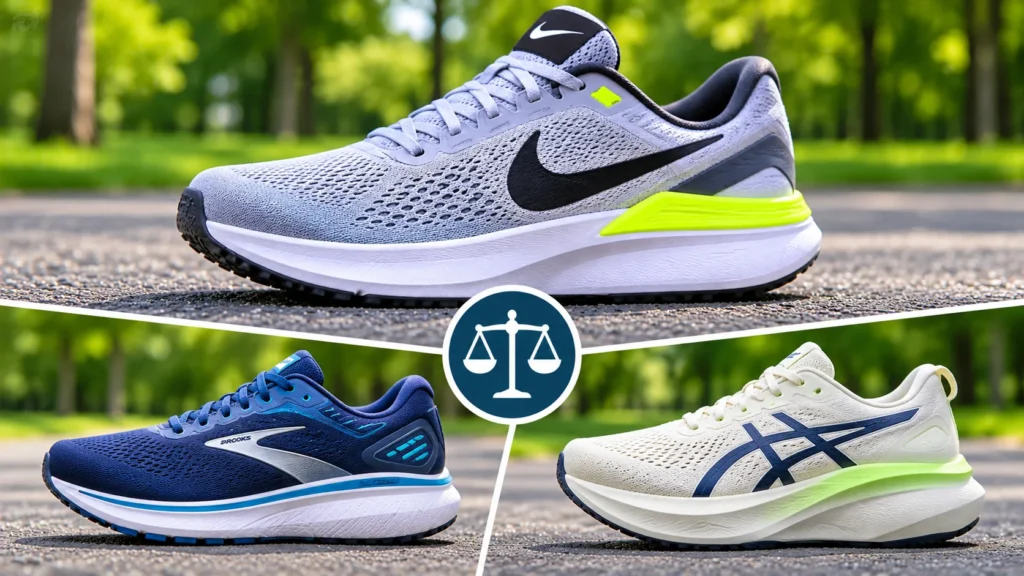
Brooks Adrenaline GTS 23 is lighter; ASICS Gel-Kayano 30 feels more cushioned. Both offer alternative support systems.
Nike Structure 25 vs Brooks Adrenaline GTS 23
Brooks is lighter at 286 g versus Nike’s lab-tested 302 g. Its GuideRails and 12 mm drop feel different.
Nike Structure 25 vs ASICS Gel-Kayano 30
Kayano favors plush long runs, with 4D Guidance and PureGEL. It launched at $160.
The comparison below uses original US list prices, not live checkout prices.
| Feature | Structure 25 | Adrenaline GTS 23 | Gel-Kayano 30 |
|---|---|---|---|
| Launch MSRP | $140 | $140 | $160 |
| Published men’s weight | 302 g (lab) | 286 g | 303 g |
| Official drop | 10 mm | 12 mm | 10 mm |
| Support | Midfoot sidewalls | GuideRails | 4D Guidance |
| Ride character | Firm, steady | Balanced support | Plush support |
| Best use | Easy miles | Daily training | Cushioned long runs |
For source details, read the independent Structure 25 lab report and ASICS’ Kayano 30 technical announcement for supporting details.
Nike Structure 25 Pricing: Is It Worth the Price?
Yes, on discount. Originally $140, one grey Amazon listing reached $75.45 on Nov 2, its lowest across 136 tracked days.
Pricing varies by size and region. The same tracker saw $153.03 at its high.
Nike Structure 25 Stability Road Shoe with Cushlon Cushioning
A smart discount pick if the arch fits you comfortably.
Who Should Buy the Nike Structure 25?
Buy for supported easy miles, not speed. Test the arch first.
- Heel strikers who want a stable everyday road shoe.
- Walkers seeking a padded heel and durable rubber tread.
- Discount hunters comfortable with a firm, guided underfoot feel.
- Your flat arches dislike noticeable medial pressure during runs.
- You need light, breathable shoes for frequent fast workouts.
Bottom line: Comfort beneath your arch matters more than any overall score.
What Are Real Buyers Saying About the Nike Structure 25?
Nike shows 4.3/5 from 109 reviews. Reviewers praise support and grip but flag arch pressure and warmth.
These are Nike reviews, not verified Amazon sales. An Amazon rating count wasn’t verifiable.
Shopper and Tester Sentiment
- Supportive landings feel secure at relaxed daily training speeds.
- Road grip holds up on wet paved running surfaces.
- Roomy toe shape helps prevent tight forefoot squeezing.
- Arch structure can press uncomfortably against flatter feet.
- Thicker upper can feel too hot during summer runs.
Use Nike’s published product information and customer reviews to check model details and feedback.
Final Verdict: Is the Nike Structure 25 a Smart Buy?
Yes, if you run easy miles and the arch fits. Independent tests show strong stability, sturdy rubber, and below-average energy return. That makes sense for heel strikers who want steady landings, not a lively tempo shoe. The warning is the firm medial arch: no bargain fixes painful pressure. Try it on and compare your actual size’s price. A discounted pair can be a sound daily trainer. If the arch feels intrusive, compare the Brooks Adrenaline or ASICS Gel-Kayano instead. The right fit matters more than an appealing review score.
Nike Structure 25 Cushlon Road Trainer with Midfoot Support
Choose the right arch feel, then check your size’s price.
Frequently Asked Questions
Is the Nike Structure 25 good for flat feet?
It can be, but the raised arch needs careful testing. The shoe has a wide, stable heel platform, measured at 95.3 mm in RunRepeat’s lab. Some flat-footed reviewers felt pressure under the arch. Try both feet on a short indoor walk before deciding.
Does the Nike Structure 25 run true to size?
Most reported fits are true to size. RunRepeat recorded 150 size votes and measured a 73.6 mm toe width in its test sample. Start with your usual running size, then check heel hold and midfoot pressure. Wide options can help if the upper feels tight.
Is Nike Structure 25 good for walking?
Yes, it’s a reasonable walking shoe if the arch shape suits you. Its broad heel and padded collar can feel steady on pavement. The lab measured 302 g, so it is not especially light. Check comfort during a longer fitting walk rather than choosing by stability claims alone.
Is the Nike Structure 25 a neutral running shoe?
No, Nike positions it as a stability model. Its sidewalls, arch support, and heel clip help guide foot motion, while the forefoot contains an Air Zoom unit. RunRepeat’s stability score was 88/100. Neutral runners can wear it, but they do not automatically need its extra support.
How long does the Nike Structure 25 last?
There is no reliable universal mileage guarantee. RunRepeat’s abrasion test removed 0.8 mm from the outsole, less than its 1.1 mm average, suggesting good rubber durability. Actual life depends on body weight, road surfaces, gait, and use. Replace shoes when cushioning or grip noticeably changes.
Is the Nike Structure 25 good for long runs?
Yes, at relaxed speeds if the fit remains comfortable. Nike lists a 10 mm drop, and the shoe provides a padded heel for repetitive landings. However, testers found its weight and arch shape tiring during some longer sessions. For softer long runs, compare the Gel-Kayano 30.
Affiliate Disclosure: As an Amazon Associate, I earn from qualifying purchases. Links may earn a commission at no extra cost to you.