
Quick Answer
The Brooks Hyperion Max 2 remains a worthwhile running shoe in 2026, especially when available at a meaningful discount. Its DNA FLASH v2 cushioning, nylon SpeedVault plate, and RapidRoll rocker make it suitable for tempo workouts and steady long runs. However, it isn’t the lightest or bounciest speed trainer, and newer models offer more cushioning. Runners interested in efficient transitions should also understand the benefits of rocker sole running shoes.
What Makes It Worth Considering?
- Responsive cushioning: Nitrogen-infused DNA FLASH v2 foam offers a controlled, moderately energetic ride.
- Assisted transitions: A nylon SpeedVault plate and curved sole encourage smooth forward movement.
- Training versatility: The design works particularly well for tempo sessions and steady-distance training.
- Secure upper: Lightweight mesh and a performance-oriented fit support faster running.
- Potential value: The older model becomes attractive when priced substantially below newer Hyperion Max versions.
My Buying Recommendation
- Buy it: If you want a relatively stable, rockered tempo trainer at a discounted price.
- Compare alternatives: If you prefer maximum softness, minimal weight, or the latest foam technology.
The Brooks Hyperion Max 2 attracts runners who want speed without sacrificing too much cushioning. Yet its value becomes more complicated as newer running shoes enter the market.
In this Brooks Hyperion Max 2 review, I’ll examine its construction, fit, ride characteristics, and real-world training suitability. I’ll also compare published specifications and independent test results to help you decide whether buying an older model makes sense in 2026.
What Is the Brooks Hyperion Max 2 Running Shoe?
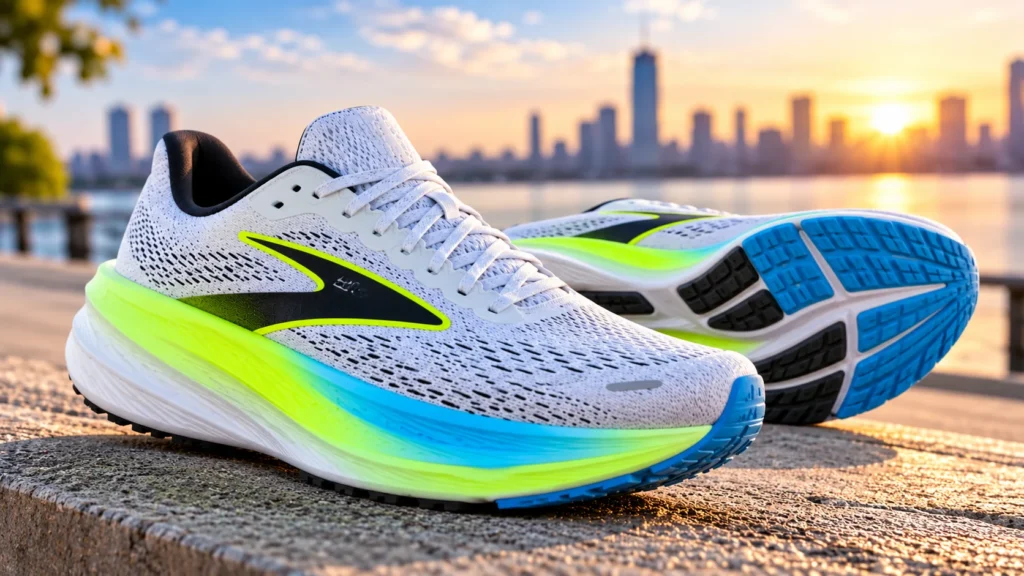
The Brooks Hyperion Max 2 is a neutral road-running shoe designed for faster training and longer efforts. It combines nitrogen-infused cushioning with a nylon plate and a curved midsole geometry.
Unlike a traditional flexible daily trainer, it encourages a more guided heel-to-toe movement. That design makes it particularly relevant for runners who enjoy tempo workouts.
Definition: A plated tempo trainer is a running shoe that uses a stiffening plate and responsive cushioning to support faster training. It doesn’t necessarily deliver the same aggressive ride as a carbon-plated racing shoe.
What Are Its Main Features?
- DNA FLASH v2: Nitrogen-infused cushioning designed to balance protection and responsiveness.
- SpeedVault plate: A nylon-based plate that adds stiffness and structure.
- RapidRoll rocker: Curved sole geometry that assists forward transitions.
- Performance upper: Lightweight mesh designed for breathability and foot security.
- Road outsole: Rubber coverage intended for paved training surfaces.
- Neutral platform: A construction without dedicated motion-control features.
Brooks positions this shoe for runners seeking a fast feel with additional protection. Its intended use is broader than short interval sessions alone.
What Are the Brooks Hyperion Max 2 Specifications?
The Hyperion Max 2 has a manufacturer-listed 6 mm drop and weighs approximately 9.1 ounces in the men’s reference specification. Its full stack height is approximately 36 mm at the heel and 30 mm at the forefoot.
These figures help explain its position between lightweight speed shoes and heavily cushioned trainers.
| Specification | Brooks Hyperion Max 2 |
|---|---|
| Shoe category | Neutral road tempo trainer |
| Midsole | DNA FLASH v2 |
| Plate | Nylon SpeedVault |
| Heel-to-toe drop | 6 mm (advertised) |
| Stack height | Approximately 36/30 mm |
| Men’s listed weight | 9.1 oz / 258 g |
| Women’s listed weight | 8.1 oz / approximately 230 g |
| Sole geometry | RapidRoll rocker |
| Original US list price | $180 |
| Release year | 2024 |
Specification note: These are published manufacturer figures, not measurements from a personal wear test. Independent testing can produce slightly different weights and stack heights.
For a detailed explanation of these measurements, see my guide on comparing running shoe specifications.
How Did the Hyperion Max 2 Improve on the Original?
The second generation added cushioning and introduced a nylon plate. These changes created a more structured ride than the original Hyperion Max.
- More heel cushioning: Approximately 4 mm additional stack height.
- More forefoot cushioning: Approximately 6 mm additional stack height.
- New midsole: DNA FLASH v2 replaced the earlier cushioning formula.
- Added plate: SpeedVault brought extra stiffness and a more guided transition.
- Additional weight: The updated construction made the shoe noticeably heavier.
I consider the added weight an important trade-off. Extra cushioning isn’t automatically an improvement if your priority is the lightest possible shoe.
How Does the Brooks Hyperion Max 2 Perform While Running?
The Hyperion Max 2 offers a moderately firm, structured ride with noticeable rocker assistance. Its main strength is smooth forward movement rather than exceptional foam bounce.
This assessment draws on its construction and published independent testing, not a claimed personal mileage test. The distinction matters when evaluating performance.
Is the DNA FLASH v2 Cushioning Comfortable?
DNA FLASH v2 provides adequate cushioning for many training sessions, but it doesn’t behave like the softest premium superfoams. Runners who prefer a controlled landing may appreciate that character.
Independent testing from RTINGS’ Hyperion Max 2 review identifies respectable cushioning and responsiveness alongside a relatively firm forefoot.
- Steady running: The cushioning provides a reasonably controlled platform.
- Faster efforts: The rocker and plate help create a more directed transition.
- Long distances: Cushioning is adequate for some runners but may feel firm as fatigue develops.
- Recovery running: Runners seeking a plush, relaxed sensation may prefer another shoe.
My preference is to match cushioning to the workout rather than chase the softest possible foam. The Hyperion Max 2 makes more sense for purposeful training than effortless recovery miles.
Does the SpeedVault Plate Make You Faster?
The nylon SpeedVault plate adds stiffness and works with the rocker to guide forward movement. However, a plate doesn’t guarantee improved speed or running economy for every runner.
Unlike many carbon-fiber racing plates, this nylon construction aims for a less aggressive training experience. The overall shoe remains relatively structured.
The plate is especially relevant during sustained faster running. It helps explain why this model feels different from a conventional flexible trainer.
How Effective Is the RapidRoll Rocker?
RapidRoll uses curved geometry to assist transitions from landing toward toe-off. Its benefit depends on your stride, pace, and comfort with rockered footwear.
- Heel strikers: The curved rear geometry can help initiate forward movement.
- Midfoot strikers: The rocker may create a continuous rolling sensation.
- Forefoot strikers: The front geometry can make toe-off feel more guided.
Some runners enjoy this assisted motion immediately. Others prefer the natural flexibility of a traditional shoe.
Is the Hyperion Max 2 Too Heavy for Speed Work?
At a listed 9.1 ounces for men, the Hyperion Max 2 isn’t exceptionally light by modern speed-training standards. However, its weight doesn’t prevent it from handling faster workouts.
For me, shoe weight becomes most meaningful when comparing similar models in the same size. A secure, comfortable shoe can still outperform a lighter option for your personal needs.
How Does the Brooks Hyperion Max 2 Fit?
The Hyperion Max 2 generally fits close to standard running shoe length, with a secure performance-oriented upper. Runners needing extra width should be cautious because dedicated wide versions are not commonly offered.
Does the Hyperion Max 2 Run True to Size?
Independent fit measurements suggest generally accurate sizing in length and forefoot width. However, personal foot shape still determines whether the shoe feels comfortable.
Before buying, use my 12-point running shoe fitting checklist to evaluate toe room, heel security, and upper pressure.
- Toe space: Leave enough room for natural foot movement.
- Heel fit: Check for excessive slipping during walking and jogging.
- Midfoot fit: Look for security without uncomfortable pressure.
- Toe-box volume: Make sure your toes aren’t pressed against the upper.
- Running socks: Try the shoes with the socks you normally wear.
Is It Suitable for Wide Feet?
The Hyperion Max 2 isn’t my first recommendation for runners who need a dedicated wide fit. Its performance-oriented design and limited width options restrict flexibility.
If your current shoes squeeze your forefoot, prioritize proper width over speed-focused features. Going up in length alone may create heel slipping without fixing the pressure.
Is the Upper Breathable and Secure?
The lightweight mesh upper is designed for a close, secure fit. Its relatively minimal construction suits faster training, although breathability perceptions vary between testers.
I recommend checking comfort around the tongue, heel collar, and forefoot before committing. Pressure points that seem minor indoors may become irritating during longer runs.
What Types of Running Are Best for the Hyperion Max 2?
The Brooks Hyperion Max 2 is most compelling for tempo running, steady long runs, and race-preparation workouts. It is less specialized for slow recovery sessions or all-out racing.
| Running Activity | Suitability | Why |
|---|---|---|
| Tempo workouts | Very good | Structured rocker-assisted transitions |
| Steady long runs | Good | Moderate cushioning and support |
| Daily training | Good for some runners | Versatile but relatively firm |
| Recovery runs | Less ideal | Not especially plush |
| Race day | Possible | Heavier and less energetic than elite racers |
Can You Use It for Marathon Training?
Yes, the Hyperion Max 2 can serve as a training shoe for marathon preparation. It makes particular sense for faster long-run segments and sustained efforts.
However, runners who prioritize maximum impact protection may prefer newer, deeper-cushioned alternatives. The best choice depends on your pace and individual comfort.
Can You Use It as an Everyday Trainer?
Yes, provided you enjoy relatively firm, rockered footwear. Some runners may find it comfortable across a variety of training speeds.
I would still pair it with a softer everyday shoe if recovery comfort matters. That creates a practical division between demanding sessions and relaxed running.
How Durable and Stable Is the Brooks Hyperion Max 2?
The Hyperion Max 2 offers relatively good lateral stability for a plated tempo trainer. Its firm foam and nylon plate contribute to a controlled platform.
However, lateral stability doesn’t make it a dedicated stability shoe. Runners requiring specific support features should evaluate those needs separately.
What About Outsole Grip and Durability?
The road-oriented rubber outsole is intended for repeated pavement use. Exact durability depends on running mechanics, terrain, and training volume.
- Dry pavement: Appropriate for normal road-running conditions.
- Wet roads: Test traction cautiously rather than assuming maximum grip.
- Technical trails: Choose a dedicated trail shoe instead.
- Long-term wear: Inspect outsole rubber, midsole feel, and upper condition regularly.
There is no reliable universal mileage limit for this specific shoe. I recommend replacing running shoes when functional wear affects fit, grip, or cushioning.
Brooks Hyperion Max 2 vs Hyperion Max 4: What’s Different?
The Hyperion Max 4 emphasizes substantially deeper cushioning, while the Hyperion Max 2 provides a lower, lighter platform. Both use nylon plates and rocker geometry.
By 2026, Brooks has also released the Hyperion Max 3 and Max 4. The Max 2 should therefore be evaluated as an older model, not the newest technology.
| Feature | Hyperion Max 2 | Hyperion Max 4 |
|---|---|---|
| Release year | 2024 | 2026 |
| Midsole | DNA FLASH v2 | DNA GOLD + DNA FLASH v2 |
| Advertised drop | 6 mm | 6 mm |
| Stack height | 36/30 mm | 45/39 mm |
| Men’s listed weight | 9.1 oz | 10.1 oz |
| Plate | Nylon SpeedVault | Nylon SpeedVault |
| Original US price | $180 | $200 |
The newer shoe adds a premium foam layer and considerably more material underfoot. You can review its current construction through the official Brooks Hyperion Max 4 product information.
I would favor the Max 2 for runners who like a more grounded feel. The Max 4 becomes more attractive when extra cushioning is the priority.
What Are the Pros and Cons of the Brooks Hyperion Max 2?
The strongest reasons to choose the Hyperion Max 2 involve its guided transitions and versatile training purpose. Its main compromises are weight, foam performance, and limited fit options.
Pros
- Useful combination of cushioning, plate stiffness, and rocker geometry.
- Suitable for tempo sessions and longer steady efforts.
- Relatively controlled and stable platform.
- Secure performance-oriented upper.
- Potentially better value when discounted.
Cons
- Heavier than many lightweight speed trainers.
- Not as energetic as premium superfoam competitors.
- Firm forefoot may disappoint soft-cushioning fans.
- Limited width options.
- Newer generations offer different cushioning technology.
Who Should Buy the Brooks Hyperion Max 2?
The Hyperion Max 2 makes the most sense for neutral runners who enjoy a structured, rockered ride. Its best value comes from matching that design with the right training purpose.
Consider Buying It If You:
- Regularly complete tempo or threshold workouts.
- Prefer controlled cushioning over an extremely soft ride.
- Want a nylon-plated shoe for training rather than an aggressive carbon racer.
- Already enjoy rockered running shoes.
- Find an authentic pair at a worthwhile discount.
Consider Another Shoe If You:
- Need dedicated wide sizing.
- Prefer maximum cushioning for recovery running.
- Want the lightest possible workout shoe.
- Expect exceptionally springy premium foam.
- Need specialized motion-control support.
Is the Brooks Hyperion Max 2 Worth the Money in 2026?
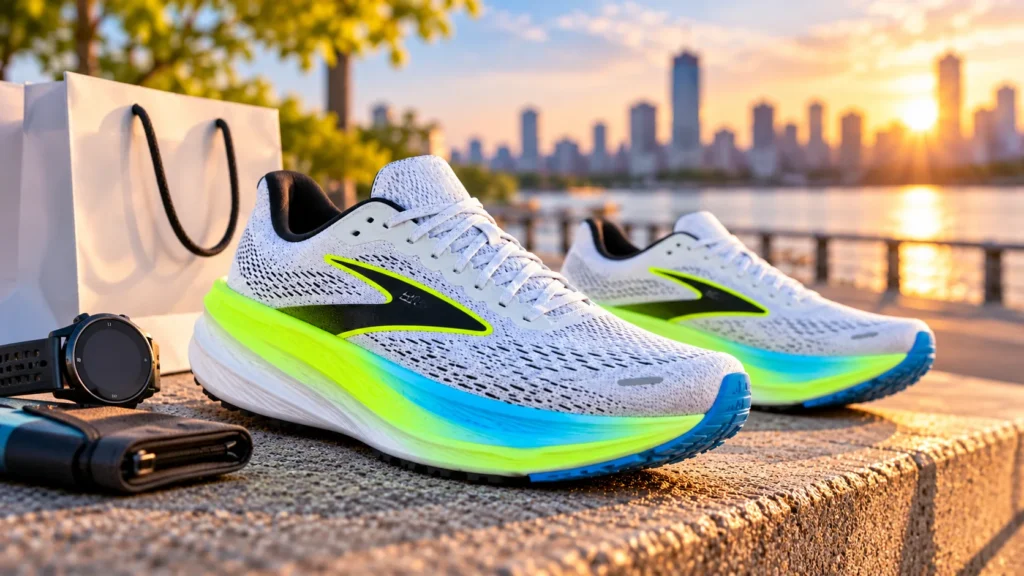
Yes, but its value depends heavily on the selling price and condition. Paying close to the price of a newer alternative makes the decision harder to justify.
The original $180 price placed it in the premium training category. In 2026, I would compare any remaining stock with the latest alternatives before buying.
What Should You Check Before Purchasing?
- Price difference: Compare the final checkout cost with newer models.
- Authenticity: Choose a reputable seller and inspect listing details.
- Condition: Confirm whether the pair is new, used, or old inventory.
- Size availability: Avoid compromising on fit for a discount.
- Return policy: Make sure you can return unsuitable footwear.
When deciding between competing claims, I rely on clear measurements and independently documented results. My guide to evaluating running shoe reviews explains how to separate useful evidence from promotional descriptions.
Which Running Shoes Are Worth Considering Instead?
These three models represent different buying priorities: discounted structured training, maximum cushioning, and lightweight speed work. My recommendations are based on published specifications and independent evidence rather than personal wear testing.
Disclosure: The links below are Amazon affiliate search links. As an Amazon Associate, qualifying purchases may generate a commission at no additional cost to you.
🏆 Best Discounted Tempo Trainer
Brooks Hyperion Max 2
★★★★☆ 4.0/5
Features DNA FLASH v2, a nylon SpeedVault plate, and a 6 mm drop. I consider it a sensible value pick for runners seeking structured tempo training, provided the discount is meaningful.
🛡️ Best for Extra Cushioning
Brooks Hyperion Max 4
★★★★☆ 4.0/5
Combines DNA GOLD and DNA FLASH v2 cushioning with a nylon plate and 45 mm heel stack. I would prioritize this model when extra underfoot cushioning matters more than minimizing weight.
⚡ Best Lightweight Alternative
Saucony Endorphin Speed 5
★★★★½ 4.5/5
Uses PWRRUN PB foam, a nylon plate, and an 8 mm drop, with a listed men’s weight of 8.3 ounces. I favor this option for runners prioritizing lightweight, energetic speed sessions.
Ratings above are editorial suitability assessments, not customer review averages. Prices and availability change by retailer and size.
Frequently Asked Questions
Is the Brooks Hyperion Max 2 Good for Beginners?
The Brooks Hyperion Max 2 can work for beginners who find its fit and rocker comfortable. However, it isn’t necessary for someone starting to run. A conventional daily trainer may be simpler and more economical, especially if most workouts involve relaxed running rather than structured speed sessions.
Does the Brooks Hyperion Max 2 Have a Carbon Plate?
No. The Brooks Hyperion Max 2 uses a nylon SpeedVault plate rather than a carbon-fiber racing plate. This construction adds stiffness and supports rocker-assisted transitions. It is designed primarily as a versatile training feature rather than an aggressive race-specific propulsion system.
Is the Brooks Hyperion Max 2 Good for Long Runs?
Yes, the Hyperion Max 2 is suitable for many steady long runs and marathon-training workouts. Its cushioning and rocker help support sustained movement. However, the relatively firm forefoot may become uncomfortable for runners who need especially soft cushioning during prolonged distances.
Does the Brooks Hyperion Max 2 Run True to Size?
Independent measurements indicate that the Brooks Hyperion Max 2 generally follows expected sizing for length and forefoot width. Nevertheless, its performance-oriented shape may not fit every foot comfortably. Try your usual running size first, then check toe space, midfoot pressure, and heel security.
Should I Buy the Hyperion Max 2 or Hyperion Max 4?
Choose the Hyperion Max 2 if you prefer a lower, lighter platform and find a significant discount. Consider the Hyperion Max 4 if you want deeper cushioning and updated foam technology. Both models offer nylon plates, rocker geometry, and a manufacturer-listed 6 mm drop.
Final Verdict: Should You Buy the Brooks Hyperion Max 2?
The Brooks Hyperion Max 2 remains a capable tempo-training shoe in 2026. It combines structured cushioning, a nylon plate, and rocker geometry in a design suited to purposeful road workouts.
Its main limitations are weight and a comparatively restrained energy return. It also doesn’t deliver the deeply cushioned experience available from newer high-stack alternatives.
My final recommendation: Consider the Hyperion Max 2 when you want a controlled, rockered training shoe and can buy it at a worthwhile discount. Compare newer models before paying close to the original price.
Most importantly, choose the shoe that feels comfortable during your actual training. The best running shoe isn’t necessarily the newest or most expensive one.