

Quick Answer
The HOKA Gaviota 5 wins for stability, cushioned walking, and support-focused running. However, the HOKA Mach 6 is better for neutral runners seeking speed and versatility. With listed weights of 10.9 and 8.3 ounces, respectively, these shoes offer different rides. Choose the Gaviota for support or the Mach for faster training.
Which HOKA shoe matches your running needs?
- Gaviota 5 uses H-Frame technology for added stability.
- Mach 6 weighs approximately 2.6 ounces less per shoe.
- Gaviota 5 suits walking, while Mach 6 suits faster running.
⚡ Quick Verdict — HOKA Gaviota 5 vs Mach 6
HOKA GAVIOTA 5
$175.00 (Original retail price)
✅ Best for:
Runners and walkers who want maximum cushioning and added stability.
HOKA MACH 6
$140.00 (Original retail price)
✅ Best for:
Neutral runners who want one lightweight shoe for daily miles and faster workouts.
| Category | Gaviota 5 | Mach 6 |
|---|---|---|
| Overall Neutral Running | — | 🏆 |
| Best Original Retail Value | — | ✅ |
| Stability and Support | ✅ | — |
| Speed and Responsiveness | — | ✅ |
| Support-Focused Walking | ✅ | — |
Bottom line: The Mach 6 wins for neutral running versatility, while the Gaviota 5 offers better value for buyers who need added stability and cushioned support.
Prices shown are original retail prices. Amazon prices, ratings, and stock may vary. Affiliate links open product search results.
- The Mach 6 wins for neutral runners who value lightweight performance.
- Its $140 original retail price is $35 below the Gaviota 5.
- The Gaviota 5 uses H-Frame technology for added support.
- Beginners should choose according to comfort and fit, not speed alone.
- The biggest difference is stability-focused cushioning versus lightweight responsiveness.
Choosing between two HOKA running shoes can feel harder than expected. Both shoes promise comfort, but they serve different runners.
You may want a soft shoe for walking and easy miles. Alternatively, you may need something light enough for faster training sessions.
I’m Steven Tyler. For this HOKA Gaviota 5 review, I compared published specifications and independent footwear tests.
This comparison also considers retailer information and published runner feedback. It does not claim firsthand running tests that were not performed.
The Gaviota 5 combines thick cushioning with a support-focused sole. Meanwhile, the Mach 6 uses lighter foam and a more streamlined shape.
Both designs offer useful benefits for the right person. However, buying the wrong design can leave your feet feeling uncomfortable.
The original retail price difference is $35. Clearance discounts can change that gap or even reverse it.
Before choosing either shoe, consider your foot shape and running goals. The following comparison explains where each model earns its place.
What Is the HOKA Gaviota 5 Designed to Do?
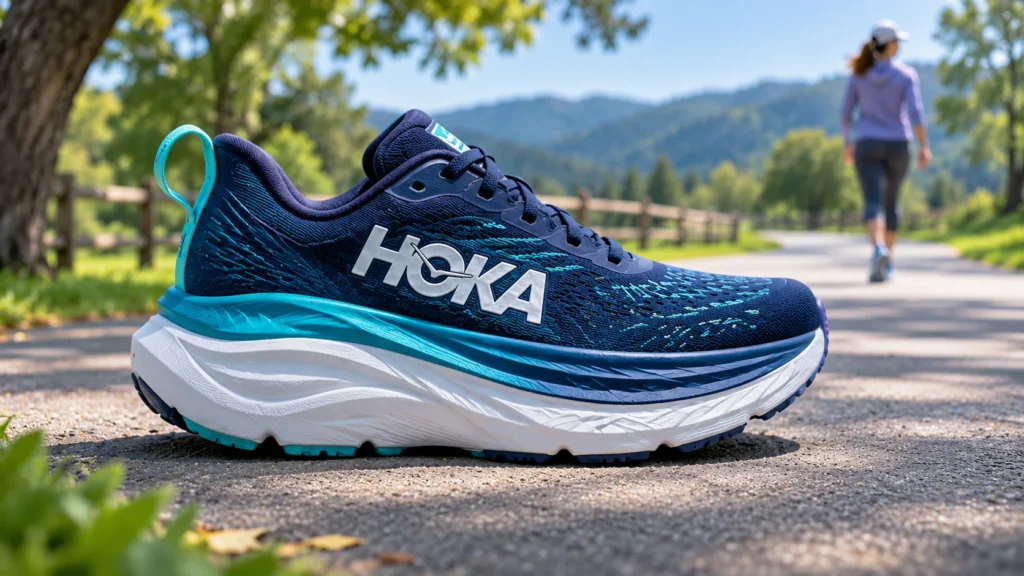
The Gaviota 5 provides maximum cushioning and added stability for road running and walking.
Best for: Easy running, walking, and runners seeking extra support.
Not ideal for: Runners seeking a lightweight tempo or racing shoe.
Original retail price: $175.00
The HOKA Gaviota 5 is a maximum-cushion stability running shoe. It combines a broad base with HOKA’s H-Frame support system.
The H-Frame uses firmer foam around softer cushioning. This design helps guide foot movement without relying on a traditional rigid medial post.
Its listed men’s weight is approximately 10.9 ounces. That extra weight reflects a larger, support-focused build.
The wide platform also gives the shoe a planted feel. This can appeal to walkers and runners who dislike narrow soles.
Our separate HOKA Gaviota 5 review examines its cushioning and wear characteristics in greater detail.
HOKA originally priced the Gaviota 5 at $175. Current discounts can make this older model more affordable.
Its most useful feature is not simply the thick foam. The combination of cushioning and platform width defines its character.
However, the larger design limits its appeal for faster workouts. Runners seeking quick transitions have stronger options within HOKA’s range.
- Wide and supportive sole platform.
- Soft cushioning for easy miles.
- H-Frame stability technology.
- Accommodating forefoot design.
- Available in wide sizes.
- Suitable for extended walking.
- Heavier than the Mach 6.
- Less suited to fast intervals.
- Higher original retail price.
- Support structure may feel unnecessary to neutral runners.
- Limited remaining stock in some sizes.
HOKA Gaviota 5 Running Shoes
Maximum cushioning, H-Frame stability, a broad platform, and a comfortable upper.
Original retail price: $175.00
Check Amazon for available sizes, colors, and current prices.
What Is the HOKA Mach 6 Designed to Do?
The Mach 6 is a lightweight neutral running shoe designed for daily training and faster workouts.
Best for: Neutral runners, tempo runs, and versatile daily training.
Not ideal for: Runners who need a dedicated stability system.
Original retail price: $140.00
The HOKA Mach 6 focuses on lightweight performance and responsive cushioning. It works as a daily trainer without a stiff racing plate.
HOKA uses supercritical EVA foam in the Mach 6 midsole. This manufacturing process creates a lighter and more responsive foam structure.
The shoe has a listed men’s weight of 8.3 ounces. Its lower weight helps create a less bulky feel during faster runs.
A creel jacquard mesh upper provides a close-fitting hold. The internal tongue gusset helps keep the tongue in place.
However, this performance-focused fit can feel restrictive across wider feet. Our HOKA Mach 6 review explores that sizing concern in more detail.
The Mach 6 originally retailed for $140. That makes it less expensive than the Gaviota 5 at launch.
Neutral runners can use it for easy runs and speed sessions. Its responsive design also suits runners who prefer one versatile training shoe.
Nevertheless, the Mach 6 lacks the Gaviota’s dedicated H-Frame support. That difference matters more than its lighter weight for some runners.
- Lightweight construction.
- Responsive supercritical EVA foam.
- Suitable for several training speeds.
- Lower original retail price.
- Strategic rubber outsole coverage.
- Available in wide sizes.
- Standard fit can feel narrow.
- No dedicated H-Frame support.
- Less plush than maximum-cushion models.
- Not designed for technical trails.
- Older-model stock may be limited.
HOKA Mach 6 Running Shoes
Lightweight neutral trainers with responsive foam and speed-focused construction.
Original retail price: $140.00
Check Amazon for available sizes, colors, and current prices.
How Do HOKA Gaviota 5 and Mach 6 Specs Compare?
The Gaviota 5 wins for dedicated support and maximum cushioning. The Mach 6 wins for lower weight, responsiveness, and neutral running versatility.
The table below separates their main features and practical differences.
| Feature | Gaviota 5 | Mach 6 | Advantage |
|---|---|---|---|
| Shoe category | Stability | Neutral | User dependent |
| Original retail price | $175 | $140 | Mach 6 |
| Men’s listed weight | 10.9 oz | 8.3 oz | Mach 6 |
| Lab-measured weight | 299 g | 232 g | Mach 6 |
| Advertised heel drop | 6 mm | 5 mm | Preference |
| Cushioning focus | Maximum comfort | Responsive ride | User dependent |
| Midsole foam | EVA-based foam | Supercritical EVA | Mach 6 for speed |
| H-Frame support | Yes | No | Gaviota 5 |
| Carbon plate | None | None | Tie |
| Upper design | Creel jacquard mesh | Creel jacquard mesh | Fit dependent |
| Forefoot fit | More accommodating | Performance-focused | Gaviota 5 for room |
| Wide sizes | Available | Available | Tie |
| Walking and standing | Support focused | Lightweight | Gaviota 5 for support |
| Tempo running | Limited suitability | Strong suitability | Mach 6 |
| Road running | Yes | Yes | Tie |
Weight deserves special attention because it affects how a shoe feels. Independent laboratory measurements found a difference of 67 grams per shoe.
However, lower weight does not guarantee greater comfort for every runner. Support needs can outweigh the benefits of a lighter design.
The listed heel drops also deserve careful interpretation. Actual laboratory measurements can differ from the manufacturer’s stated figures.
Which Shoe Offers Better Cushioning and Stability?
The HOKA Gaviota 5 wins for support-focused cushioning and stability. Its broad sole and H-Frame structure provide a dedicated support system that the Mach 6 lacks.
How Does H-Frame Stability Technology Work?
The H-Frame surrounds softer cushioning with a firmer support structure. This creates guidance without requiring a conventional hard inner post.
The broader platform contributes to the Gaviota 5’s planted feel. Its design can appeal to runners who prefer additional side-to-side support.
Pronation describes the natural inward movement of the foot during walking. Some runners prefer more guidance during this part of their stride.
However, pronation alone does not mean you need a stability shoe. Comfort and individual movement patterns also matter.
Is the Mach 6 Cushioned Enough for Daily Running?
Yes, the Mach 6 provides cushioning suitable for daily road running. Its foam emphasizes responsiveness rather than maximum softness.
That distinction becomes useful when you increase your running pace. The Mach 6 offers a less bulky feel during quicker transitions.
For example, consider a runner who alternates easy miles and tempo sessions. The Mach 6 offers a practical single-shoe option for those workouts.
The Gaviota 5 makes more sense when added support matters most. Neither design automatically delivers greater comfort for every foot.
Category winner: HOKA Gaviota 5 for stability and plush cushioning.
Which Shoe Performs Better for Running and Speed?
The HOKA Mach 6 wins for speed training and neutral daily running. Its lighter weight and responsive foam make it better suited to faster training sessions.
Which Shoe Feels Lighter During Running?
The Mach 6 has the lower listed and laboratory-measured weight. That makes it the stronger choice for runners who dislike bulky footwear.
Published laboratory tests provide a useful comparison between both designs. The Gaviota 5 weighed 299 grams, while the Mach 6 weighed 232 grams.
| Weight measurement | Gaviota 5 | Mach 6 |
|---|---|---|
| Brand-listed weight | 310 g | 235 g |
| Independent lab weight | 299 g | 232 g |
| Lab weight difference | 67 g per shoe | |
These measurements come from independent Gaviota 5 laboratory testing and Mach 6 laboratory testing.
Actual shoe weight varies according to size and individual manufacturing differences.
Which HOKA Shoe Is Better for Tempo Runs?
The Mach 6 is better suited to tempo runs and faster intervals. Its responsive foam and lighter design support changes in running pace.
A tempo run involves maintaining a challenging but controlled pace. It requires footwear that feels comfortable while running faster than usual.
The Gaviota 5 can handle faster running when necessary. However, speed is not the main purpose of its construction.
Choose the Mach 6 for regular speed sessions. Keep the Gaviota 5 for support-focused daily miles and walking.
Which Shoe Is Better for Long Runs?
The Gaviota 5 suits long runs where added stability is your priority. The Mach 6 suits neutral runners who want a lighter ride.
Distance alone cannot determine the better running shoe. Your comfort over that distance matters more than a model’s category.
A runner training for a half marathon may prefer either design. The best choice depends on fit, support, and preferred pace.
Category winner: HOKA Mach 6 for running versatility and speed.
Which Shoe Offers Better Price and Value?
The HOKA Mach 6 offers better value at original retail prices. It originally cost $140, compared with $175 for the Gaviota 5.
That $35 difference gives neutral runners a reason to consider the Mach 6. Its lighter build also suits a wider range of running speeds.
However, value depends on how well the shoe fits your needs. A cheaper shoe becomes poor value when it feels uncomfortable.
The Gaviota 5 earns its higher original price through support-focused construction. Its H-Frame system and broad platform distinguish it from neutral trainers.
Clearance discounts complicate the comparison. Retailers have advertised the Gaviota 5 below its original $175 price.
Comparable Mach 6 discounts have also appeared at established footwear retailers. Available sizes and colors determine whether those deals remain useful.
Before purchasing either shoe, compare the final delivered price. Include shipping charges, return fees, and exchange options.
Category winner: HOKA Mach 6 at original retail prices. Discounted value depends on current offers.
Which Shoe Offers Better Fit and Durability?
The Gaviota 5 wins for a more accommodating standard fit. However, neither shoe earns a universal durability win without comparable long-term wear testing.
Which Shoe Is Better for Wide Feet?
The Gaviota 5 generally provides more room around the forefoot. Its broader construction suits runners who dislike a close performance fit.
Independent laboratory testing also found a wider internal fit in the Gaviota 5. That supports its appeal for feet needing additional space.
The Mach 6 uses a closer-fitting upper to secure the foot. Some runners may find that shape restrictive around the toes.
Both models offer wide-size options. Try the correct width before increasing shoe length to gain space.
Excess length can create heel movement or poor foot placement. A correctly fitted wide shoe offers a better solution.
How Durable Are the Gaviota 5 and Mach 6?
Both shoes can provide useful road-running mileage with proper care. Actual durability depends on running surfaces, gait, body weight, and usage.
The Gaviota 5 uses rubber coverage in selected high-wear areas. The Mach 6 also uses strategic rubber to protect its foam.
Inspect the heel, forefoot, and exposed midsole during regular use. Uneven wear can change how the shoe feels underfoot.
Heel lining damage is another useful sign to monitor. A loose heel or repeated rubbing can accelerate wear.
Do not rely on one fixed mileage figure for replacement. Physical wear and changing comfort provide more meaningful clues.
Are These HOKA Shoes Safe on Wet Roads?
Both models are road-running shoes, not specialized wet-surface safety shoes. Their traction can vary according to surface texture and conditions.
Painted road markings, wet tiles, and polished floors can become slippery. Thick cushioning does not automatically provide greater grip.
Neither shoe should replace certified slip-resistant work footwear when your workplace requires it. Avoid relying on either model for icy roads or technical trails. Running shoes also cannot guarantee injury prevention or treat foot conditions.
Category winner: Gaviota 5 for accommodating fit and dedicated stability. Durability depends on individual use.
Which HOKA Shoe Wins in Real-World Use?
The Gaviota 5 wins for support-focused walking and easy running. The Mach 6 wins for neutral training across several running speeds.
The following situations illustrate how their different designs affect purchasing decisions.
| Situation | Recommended Shoe | Reason |
|---|---|---|
| Easy 5K running | Either | Choose according to support needs. |
| Tempo workouts | Mach 6 | Lighter, responsive construction. |
| Walking several miles | Gaviota 5 | Support-focused cushioning. |
| Standing during long shifts | Gaviota 5 | Broad platform and comfortable build. |
| Neutral daily training | Mach 6 | Versatile across running speeds. |
| Cold-weather road running | User dependent | Fit, foam firmness, and surface matter. |
Which Shoe Is Better for Walking and Standing All Day?
The Gaviota 5 is the stronger starting point for support-focused walking. Its wide platform can provide a more planted sensation during standing.
Consider a person working an eight-hour retail shift on dry floors. A supportive fit may matter more than lightweight running performance.
The Mach 6 remains a possible walking shoe for neutral feet. However, its main strengths become more useful when running.
Always follow workplace footwear rules before choosing either model.
Which Shoe Is Better for Beginner Runners?
Beginners should choose the Gaviota 5 when extra support feels beneficial. The Mach 6 is suitable for beginners who prefer neutral running shoes.
A new runner does not automatically need maximum cushioning or stability. Both features should match personal comfort and movement needs.
Try walking and jogging briefly before committing to a pair. Check for toe pressure, heel movement, and unusual arch discomfort.
Which Shoe Works Better in Cold Weather?
Neither model wins every cold-weather running situation. Both use foam that can change its firmness as temperatures fall.
Cold conditions can make familiar shoes feel different underfoot. Thicker socks may also reduce the available room inside the upper.
The Gaviota 5 offers a roomier starting point for some feet. However, correct sizing remains essential with winter socks.
Choose dedicated winter footwear when snow or ice creates traction risks.
Is the HOKA Gaviota 5 Price Difference Worth It?
The Gaviota 5’s original $35 premium is worthwhile when you benefit from its stability design. Neutral runners who prefer faster training can save money with the Mach 6.
| Product | Original Retail Price |
|---|---|
| HOKA Gaviota 5 | $175.00 |
| HOKA Mach 6 | $140.00 |
| Price difference | $35.00 |
The Gaviota 5 costs 25 percent more at original retail prices. That premium is easier to justify when stability is a priority.
However, both shoes now belong to older product generations. Clearance pricing can make the Gaviota 5 cheaper than the Mach 6.
For instance, retailer search results showed Gaviota 5 offers below $100. Mach 6 offers also appeared below its original retail price.
Those prices are examples rather than guaranteed current Amazon offers. Stock and size restrictions can change the actual purchase cost.
Compare the older shoes with their newer replacements before purchasing. A small price difference may justify choosing a newer model.
However, a well-fitting discounted older shoe can remain excellent value. Do not upgrade simply because another generation exists.
Prioritize correct size and width before comparing discounts. A $50 saving offers little value if the shoe causes pressure or heel movement.
Who Should Buy the Gaviota 5 or Mach 6?
Buy the Gaviota 5 if cushioned support is your main priority. Buy the Mach 6 if you want lightweight, neutral running performance.
Both shoes have clear strengths, but neither suits every runner. Use your regular activities to identify the better choice.
- You prefer stability running shoes.
- Walking forms a large part of your day.
- You enjoy a broad support platform.
- You want plush cushioning for easy runs.
- You prefer a more accommodating forefoot fit.
Skip Gaviota 5 If:
- You mainly run fast intervals.
- You dislike heavier running shoes.
- You find dedicated stability structures uncomfortable.
- You prefer neutral running shoes.
- You enjoy responsive cushioning.
- You regularly run tempo sessions.
- You want a lighter daily trainer.
- You prefer a close performance fit.
Skip Mach 6 If:
- You need dedicated stability features.
- Its standard width feels restrictive.
- You prefer maximum-cushion walking shoes.
You need footwear designed for a different activity or fit requirement.
- Technical trail running: Consider a HOKA Speedgoat model instead.
- Maximum neutral cushioning: Explore the HOKA Bondi range.
- Lighter stability construction: Compare suitable HOKA Arahi models.
- Certified slip-resistant work footwear: Choose shoes meeting your workplace requirements.
- Persistent foot pain: Seek professional assessment before relying on footwear changes.
What Are Real Buyers Saying About Both Products?
Published feedback favors the Gaviota 5 for cushioning and support. Mach 6 feedback highlights its responsive ride, lower weight, and performance-focused fit.
However, foot shape strongly influences individual experiences with both models. A positive review cannot guarantee the same comfort for another runner.
Published Reviewer and Runner Feedback
Common positive themes
- Comfortable cushioning.
- Supportive platform.
- More accommodating fit.
- Useful for walking and easy miles.
Reported concerns
- Bulky feel during faster running.
- Sizing differences between individual feet.
- Less lively ride than performance trainers.
Common positive themes
- Lightweight feel.
- Responsive midsole foam.
- Useful across several running paces.
- Secure performance fit.
Reported concerns
- Restrictive fit for some wider feet.
- Less plush feel than maximum-cushion shoes.
- Limited dedicated stability guidance.
Feedback summarizes published footwear reviews and public runner discussions. It does not represent verified Amazon review statistics.
Published reviews from Fleet Feet highlight the Gaviota 5’s accommodating design. Their Mach 6 review emphasizes a more responsive underfoot sensation.
Doctors of Running also identifies fit differences between these two designs. Its Mach 6 review describes a closer performance fit.
These observations explain why buying solely by customer ratings can disappoint. Look for reviews from people with similar feet and activities.
Amazon customer reviews were not directly accessible during this research. Therefore, this comparison does not invent Amazon ratings or testimonials.
How Should You Care for HOKA Running Shoes?
Clean both HOKA shoes by hand and let them dry naturally. Avoid machine washing, direct heat, and prolonged exposure to moisture.
Proper care helps protect the mesh upper and midsole foam. It also makes signs of wear easier to identify.
How Should You Clean the Gaviota 5 and Mach 6?
Use a soft brush, mild soap, and lukewarm water for cleaning. Avoid soaking the entire shoe during routine maintenance.
- Remove loose dirt with a soft brush.
- Take out the laces and removable insoles.
- Prepare a small amount of mild soapy water.
- Gently clean the mesh with a soft cloth.
- Wipe the midsole and rubber outsole separately.
- Remove soap residue with a damp cloth.
- Allow the shoes to air-dry completely.
How Should You Store HOKA Running Shoes?
Store both shoes in a cool, dry, and ventilated location. Keep them away from strong sunlight and direct heat sources.
Allow damp shoes to dry before placing them inside a cupboard. Trapped moisture can encourage odors and material deterioration.
Avoid leaving running shoes inside a hot vehicle for extended periods. Excess heat can affect adhesives and foam materials.
When Should You Replace Your HOKA Shoes?
Replace running shoes when wear changes their comfort or support. Significant outsole damage and uneven foam compression are useful warning signs.
Common replacement guidance often references 300 to 500 running miles. However, this range does not guarantee the life of either model.
Inspect the sole more often if you notice new discomfort. Pay attention to uneven wear or changes in how the shoe feels.
Record your running mileage and inspect both shoes regularly. Check the heel lining, outsole rubber, and midsole shape. Replace worn footwear according to its condition rather than the calendar alone.
How Was This HOKA Shoe Comparison Researched?

This comparison uses published brand information, independent laboratory measurements, and footwear reviews. It separates verified specifications from practical recommendations and individual preferences.
Manufacturer information establishes the intended purpose of each model. Independent tests provide useful evidence about their physical construction.
Retailer listings establish original prices and examples of clearance pricing. These offers can change according to size, color, and stock.
The following sources informed the comparison:
- RunRepeat Gaviota 5 laboratory review — independent shoe measurements.
- RunRepeat Mach 6 laboratory review — weight, fit, and construction data.
- Fleet Feet Gaviota 5 review — published reviewer impressions.
- Fleet Feet Mach 6 review — foam and ride characteristics.
- Doctors of Running Gaviota 5 review — fit and stability observations.
- Doctors of Running Mach 6 review — performance and fit observations.
- REI Gaviota 5 listing — reference retail pricing.
- REI Mach 6 listing — reference retail pricing.
No firsthand mileage or wear tests are claimed in this article. Recommendations reflect the available evidence and intended shoe designs.
Individual comfort remains the final consideration when selecting either model.
Final Verdict: Which HOKA Shoe Should You Buy?
The HOKA Mach 6 is my overall pick for neutral recreational runners. The HOKA Gaviota 5 is my preferred choice for buyers seeking dedicated stability and plush support.
The Gaviota 5 offers more than simply a thicker running sole. Its H-Frame and broader platform provide a distinct support-focused design.
That combination makes it appealing for walking and controlled running paces. Discounted prices can further improve its value.
Meanwhile, the Mach 6 delivers a lighter and more responsive ride. Its construction works well across daily runs and faster training sessions.
The Mach 6 also launched at a lower retail price. However, current discounts may favor the Gaviota 5 instead.
The most important lesson is to choose according to your movement needs. Added support is valuable only when it improves your individual experience.
Both older models can remain worthwhile purchases at suitable prices. Check your size, compare return policies, and avoid buying solely for a discount.
HOKA Gaviota 5
Best for stability, cushioned walking, and added support.
Original retail price: $175
🏆 HOKA Mach 6
Best for lightweight neutral running and versatile training.
Original retail price: $140
Frequently Asked Questions
Which Is Better: HOKA Gaviota 5 or Mach 6?
The HOKA Gaviota 5 is better for dedicated stability and cushioned support. The Mach 6 is better for lightweight neutral running and faster workouts. Choose the Gaviota 5 when its support features improve your comfort. Choose the Mach 6 when you prioritize responsiveness and versatile running performance.
What Is the Difference Between HOKA Gaviota 5 and Mach 6?
The main difference is their support-focused versus performance-focused construction. The Gaviota 5 uses H-Frame stability technology and weighs approximately 10.9 ounces. The Mach 6 uses supercritical EVA foam and weighs approximately 8.3 ounces. These listed men’s weights illustrate their different design priorities and intended running experiences.
Is the HOKA Gaviota 5 Good for Walking?
Yes, the HOKA Gaviota 5 is suitable for support-focused walking and standing. Its wide platform and cushioned midsole can provide a comfortable, planted sensation. However, the correct size remains important for walking comfort. It should not replace certified slip-resistant footwear when workplace safety rules require it.
Is the HOKA Mach 6 Good for Long Runs?
Yes, the HOKA Mach 6 can work well for neutral runners during long runs. Its lightweight construction and responsive foam make it a versatile trainer. However, some runners prefer softer cushioning over longer distances. Test the Mach 6 on shorter runs before using it for extended training sessions.
Is the HOKA Gaviota 5 Still Worth Buying?
Yes, the HOKA Gaviota 5 remains worth considering at a suitable discounted price. Its stability features and cushioning continue to serve support-focused runners and walkers. Compare its price with the newer Gaviota 6 before purchasing. Correct fit and comfortable support matter more than owning the latest generation.
Affiliate Disclosure: As an Amazon Associate, I earn from qualifying purchases.


