

Quick Answer
The Salomon Pulsar Trail Pro 2 is the better pick for fast trail running if its updated upper fits your feet. Both shoes launched at $160 and share a 6 mm drop, TPU Energy Blade, and 3.5 mm lugs. Choose the original Pulsar Trail Pro if it fits well and costs less.
What matters most when choosing between these Salomon trail shoes?
- Overall pick: Pulsar Trail Pro 2 for its updated upper construction.
- Best bargain: Original Pulsar Trail Pro when discounted.
- Biggest difference: Upper design, not a new cushioning platform.
Quick Verdict: Salomon Pulsar Trail Pro 2 vs Pro
Editorial suitability scores reflect published tests and specifications. They are not Amazon customer ratings or personal wear-test scores.
PULSAR TRAIL PRO 2
Original MSRP: $160
Best for: Runners who want a lively, plated shoe for dry and moderate trails.
ORIGINAL PULSAR TRAIL PRO
Original MSRP: $160
Best for: Runners who already like the original fit or find a lower price.
| Category | Pro 2 | Original |
|---|---|---|
| Overall Recommendation | 🏆 | — |
| Best Value When Discounted | ✅ | ✅ |
| Updated Upper Design | ✅ | ❌ |
| Core Cushioning Platform | ✅ | ✅ |
| Proven Familiar Fit for Existing Owners | — | 🏆 |
Bottom line: The Pulsar Trail Pro 2 wins for runners who prefer its revised upper, while the original makes more financial sense when its familiar fit and a meaningful discount outweigh that update.
- The Pro 2 improves the upper while retaining the original’s core ride design.
- Both models had a $160 US launch price; current prices need checking.
- The TPU Energy Blade offers propulsion without using a carbon-fiber plate.
- Both shoes have 3.5 mm lugs suited to firmer trail surfaces.
- Upper comfort and foot security matter more than the small weight difference.
You’re shopping for a fast trail shoe. Two Salomon models look nearly identical. Both promise a springy ride, light construction, and enough grip for everyday trails.
But which one should you buy? Is the Salomon Pulsar Trail Pro 2 a useful upgrade, or does the original offer the same ride for less?
I’m Steven Tyler, and I write footwear buying guides for FootwearHiker. This comparison draws on manufacturer specifications, independent field tests, and published runner feedback. It does not claim personal wear testing of either model.
My approach follows practical running shoe review standards. Fit, grip, and comfort matter more than exciting marketing claims.
The two shoes have much in common. Both feature a TPU plate, a curved sole, and Salomon’s quick-lacing system. Each aims to make fast running on moderate trails feel smooth.
The difference becomes clearer when you look at the upper. Yet a newer design doesn’t guarantee a better fit for every foot.
What Is the Salomon Pulsar Trail Pro 2 Best For?
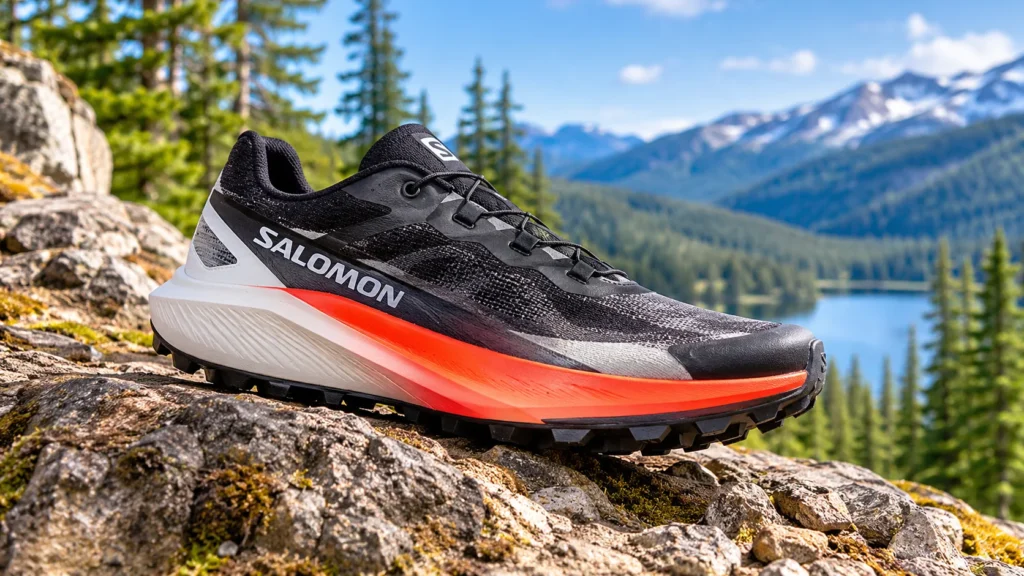
Research-based editorial assessment, not a customer-review average.
| Best for | Fast runs, firm dirt, gravel, and moderate singletrack. |
| Not ideal for | Deep mud, runners sensitive to instep pressure, and loose technical descents. |
| Price | $160 original MSRP; live Amazon price not verified. |
The Salomon Pulsar Trail Pro 2 is a responsive trail running shoe built for speed. It combines a TPU Energy Blade, Energy Foam cushioning, and a curved sole shape. The design helps the foot roll forward through each stride.
Its published men’s reference weight is about 260 g. Salomon lists a 6 mm drop, with 33 mm under the heel and 27 mm under the forefoot. The 3.5 mm Contagrip lugs give it a relatively smooth feel on packed ground.
The Pro 2 also features an updated upper and an anti-debris knit collar. Its Quicklace system lets runners tighten the shoe with one pull. That combination suits runners who value easy adjustments and a close-fitting shoe.
However, independent tests report mixed results for upper comfort. Some reviewers praise its secure fit, while others report pressure over the instep. OutdoorGearLab recommends trying the upper before committing to the shoe.
The Pro 2 therefore makes the most sense for runners who want a lively shoe and can confirm its fit. It is less convincing as a blind online purchase for runners with high-volume feet.
What Are the Pulsar Trail Pro 2 Pros and Cons?
The biggest advantage is its smooth, energetic ride on moderate trails. The biggest drawback is its demanding upper fit, which can cause pressure for some runners. Its short lugs also limit its performance in deep mud.
Salomon Pulsar Trail Pro 2 Trail Running Shoes
Choose the Pro 2 if you want a responsive trail shoe and its updated upper fits comfortably. The Amazon link opens search results, not a verified individual product listing.
Check the exact model, size, seller, return policy, and current price before ordering.
What Does the Original Salomon Pulsar Trail Pro Offer?
Research-based editorial assessment, not a customer-review average.
| Best for | Existing fans of the original fit and discount shoppers. |
| Not ideal for | Runners who need plush cushioning or stronger technical-trail grip. |
| Price | $160 original MSRP; current availability and price unverified. |
The original Salomon Pulsar Trail Pro remains a capable fast-trail shoe. It introduced much of the design that makes the Pro 2 appealing. That includes the TPU Energy Blade, a rockered shape, and responsive Energy Surge cushioning.
The shoe has a 33 mm heel stack and 27 mm forefoot stack. Its 6 mm drop matches the updated model. Published reference weights commonly place it around 270 g, although tester measurements vary.
Like its successor, the original uses All Terrain Contagrip with 3.5 mm lugs. It also includes Quicklace and an anti-debris collar. These features make it useful on packed dirt, gravel, and moderate trails.
The main concern involves fit. Some independent testers found the narrow-feeling shape and upper hold less forgiving than expected. Others enjoyed its secure and lightweight construction.
More importantly, the original already delivers a fast, springy ride. If you own a comfortable pair, the Pro 2 does not offer a completely new running experience. An upgrade makes more sense when your current shoes are worn out.
What Are the Original Pulsar Trail Pro Pros and Cons?
The original’s strongest feature is its responsive running platform. Its limitations include fit differences between runners and a firm, plated feel on uneven terrain. The model still deserves consideration when the price is low.
Salomon Pulsar Trail Pro Trail Running Shoes
The original model is worth checking when you already know its fit or find a strong discount. Confirm that the listing is for the Pro model, not the standard Pulsar Trail.
Older models may appear through third-party sellers. Check condition and return eligibility.
How Do the Pulsar Trail Pro 2 and Original Compare on Specs?
The Pro 2 has a lower published reference weight and an updated upper. However, both shoes share the same listed stack heights, drop, plate type, and lug depth. The specifications reveal an evolution rather than a major redesign.
Use the following table alongside our running shoe specifications guide. Shoe weight can change with size, and different reviewers may measure different versions.
| Specification | Pro 2 | Original Pro | Advantage |
|---|---|---|---|
| US Launch Price | $160 | $160 | Tie |
| Reference Men’s Weight | About 260 g | About 270 g | Pro 2 on listed figures |
| Heel Stack | 33 mm | 33 mm | Tie |
| Forefoot Stack | 27 mm | 27 mm | Tie |
| Heel-to-Toe Drop | 6 mm | 6 mm | Tie |
| Propulsion Plate | TPU Energy Blade | TPU Energy Blade | Tie |
| Midsole Foam | Energy Foam | Energy Surge | Similar ride concept |
| Outsole | All Terrain Contagrip | All Terrain Contagrip | Tie |
| Lug Depth | 3.5 mm | 3.5 mm | Tie |
| Laces | Quicklace | Quicklace | Tie |
| Upper | Revised mesh and welded rand | Original mesh construction | Pro 2 update |
| Anti-Debris Collar | Updated knit construction | Original knit construction | Depends on fit |
| Waterproof Membrane | No | No | Tie |
| Primary Terrain | Moderate and packed trails | Moderate and packed trails | Tie |
| Best Buying Reason | Updated construction | Potential discount | Conditional |
These are published reference specifications, not measurements performed by FootwearHiker. In particular, foam names differ across Salomon materials and independent reviews. The two models still share a closely related running platform.
For the most useful comparison, match men’s sizes and verify the precise variant. A weight difference from mismatched shoe sizes can mislead even careful buyers.
Which Pulsar Trail Pro Has Better Cushioning and Speed?
The Pulsar Trail Pro 2 gets a slight editorial advantage for its refined feel. Both shoes remain responsive rather than plush. Independent reviewers describe smooth transitions, especially on packed trails where the rocker and plate work together.
How Does the Energy Blade Change the Ride?
The TPU Energy Blade adds stiffness and helps guide each stride forward. It works with the curved sole to create an efficient rolling motion. Both Pulsar Trail Pro models use this approach.
The plate is not carbon fiber. That distinction matters because a plated shoe does not automatically behave like a carbon racing shoe. TPU can deliver a responsive ride without copying every property of carbon-fiber plates.
The plate also has a trade-off. A stiffer sole can feel protective on firm dirt but less natural over awkward rocks. Runners who prefer flexible shoes should test that feeling before buying.
Does the Pro 2 Feel Softer Than the Original?
Some independent testers describe the Pro 2 as slightly softer. Others report that the two versions feel nearly identical. This difference in feedback does not support claiming a major cushioning upgrade.
Both shoes have 33 mm beneath the heel and 27 mm beneath the forefoot. Those figures help explain the moderate protection. Yet foam feel depends on more than stack height alone.
For a runner who wants soft comfort above all else, neither is the automatic winner. A more cushioned trail model, such as the Salomon Ultra Glide line, deserves consideration.
Which Shoe Is Better for Fast Training?
Both shoes suit faster running on smooth and moderate trails. Their curved geometry feels most purposeful when moving steadily forward. The Pro 2 gains an edge if its revised upper holds your feet comfortably.
The original is still effective for runners who already enjoy its fit. Replacing a working pair just to gain a small listed weight reduction offers limited value.
Category winner: Pulsar Trail Pro 2 by a narrow margin, mainly due to the updated overall package.
Which Pulsar Trail Pro Has Better Fit and Foot Security?
Fit is the most important difference between the two models. Salomon revised the upper and welded reinforcement on the Pro 2. However, published reviews disagree about whether that change makes the shoe more comfortable for every foot.
Does the Updated Upper Improve Comfort?
The Pro 2 uses revised mesh and a close-fitting knit collar. This construction can help keep trail debris out and reduce loose fabric. Its fit still depends on your instep height and foot shape.
FeedTheHabit reported a secure, comfortable fit during field testing. OutdoorGearLab reported strong pressure across the top of the foot. Both observations can be true for different runners.
The practical lesson is simple: do not treat the updated upper as a guaranteed comfort upgrade. Try the shoe with your regular running socks and walk on an incline.
What About Heel Hold and Downhill Movement?
The Pro 2 includes heel-collar refinements, but some reviewers still experienced rubbing. The original also drew complaints about heel movement. Neither version eliminates the need for a careful fit check.
Stand on a safe downward slope while trying the shoes. Your toes should not strike the front repeatedly. The heel should remain stable without painful pressure around the ankle.
A shoe can feel secure on level ground and move differently downhill. This becomes important during long descents, when feet slide forward and swell.
Are These Salomon Shoes Good for Wide Feet?
Neither model is a safe blind choice for wide or high-volume feet. The sock-style collar and shaped upper can limit room. Some runners find the fit comfortable, but others feel unwanted pressure.
Check forefoot width separately from instep height. A shoe can provide enough toe room while still squeezing the top of the foot. That difference is easy to miss when buying online.
Category winner: Pulsar Trail Pro 2 for its revised construction, but only when its fit works for your feet.
Which Salomon Pulsar Trail Pro Offers Better Value?
The original can offer better value at a meaningful discount. Both shoes launched at $160, so there was no US MSRP gap at release. Current Amazon prices and exact stock levels could not be verified for this comparison.
Price alone should not decide the purchase. The Pro 2 can justify a small premium if its updated upper feels better. The original makes sense when its fit is proven and the savings are substantial.
Is a Small Price Difference Worth Paying?
Paying a little more for the Pro 2 can be worthwhile. The revised mesh and collar may suit your foot better. You still receive the familiar Energy Blade and Contagrip platform.
However, the extra cost becomes harder to justify when the original is much cheaper. Runners who already enjoy the first model should compare the actual final checkout totals.
What If the Original Is Heavily Discounted?
A lower-priced original is a sensible choice for an existing owner. The foam, plate, rocker, and outsole remain closely related to the Pro 2.
Do check the condition of older stock. Shoes stored poorly for long periods can suffer material deterioration. Inspect the glue, foam, and rubber before relying on them for long runs.
Value winner: Whichever genuine pair fits well and has the better final price. The original is the stronger bargain only when discounted enough to offset the newer upper.
Which Pulsar Trail Pro Has Better Grip and Durability?
Neither shoe has a clear advantage in outsole design. Both use All Terrain Contagrip with 3.5 mm lugs. That makes them better suited to firm dirt, gravel, and moderate singletrack than deep, loose mud.
How Do the Shoes Grip Dry and Loose Trails?
Both models are capable on packed trails. Their relatively shallow lugs support smooth transitions on harder surfaces. This matters when your route mixes gravel, dry dirt, and short paved approaches.
Loose corners are a different challenge. OutdoorGearLab found that the Pro 2’s directional tread lacked confidence during turns in loose ground. Runners should reduce speed when traction becomes uncertain.
Do not assume the Pro 2 offers stronger grip simply because it is newer. Its outsole design is too similar to support that conclusion.
Can the Pulsar Trail Pro 2 Handle Wet Trails?
It can handle some wet, firm surfaces, but deep mud remains a weakness. The 3.5 mm lugs cannot dig as deeply as more aggressive soft-ground treads.
Wet rocks and exposed roots also demand caution. Rubber grip changes with surface texture and contamination. No trail shoe guarantees secure footing on slippery terrain.
For regular muddy runs, consider a more aggressive model such as the Salomon Speedcross 6. Its trail-focused tread is better suited to soft ground than this fast-running platform.
How Durable Are the Upper and Outsole?
Published reports suggest the original can tolerate substantial trail mileage. However, one runner’s experience cannot establish a universal lifespan. Surface roughness, body weight, running style, and rotation habits all affect wear.
The Pro 2’s revised upper may improve certain construction details. That does not prove it will last longer than the original. No controlled, matched long-term durability comparison was available for this article.
Inspect both models for worn lugs, separating rubber, damaged mesh, and weakened heel structure. Replace shoes when reduced grip or cushioning affects safe running.
Category winner: Tie for outsole design. Choose an alternative with deeper lugs for regular mud or demanding loose terrain.
Which Pulsar Trail Pro Wins in Real-World Trail Conditions?
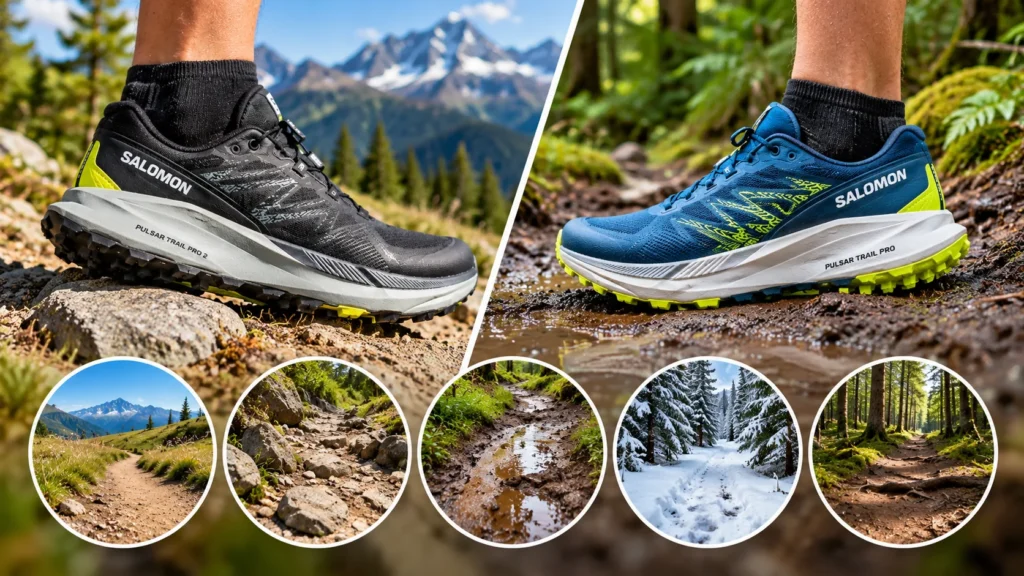
The Pulsar Trail Pro 2 is a good choice for faster runs on moderate terrain. The original performs a similar role and makes sense at a lower price. Neither should be your default pick for deep mud or steep, loose technical descents.
The best model depends on surface conditions, fit, and pace. Our guide to road versus trail shoes explains why outsole design should match the ground beneath your feet.
| Use Case | Best Choice | Reason |
|---|---|---|
| Fast dry singletrack | Pro 2 | Responsive ride and updated upper. |
| Packed gravel paths | Either | Similar lugs and rocker geometry. |
| Road-to-trail routes | Either | Shorter trail lugs feel smoother on firm ground. |
| Deep muddy trails | Neither | A deeper soft-ground tread is preferable. |
| Steep loose descents | Neither by default | Foot security and cornering grip become critical. |
| Cold or snowy routes | Neither by default | Traction and weather protection may be inadequate. |
| Existing original owner | Original | No need to replace a comfortable, functional pair. |
| Running-club bulk purchase | Fit-dependent | Sizing, returns, and total cost matter most. |
Are These Shoes Suitable for Trail Racing?
Yes, both target runners who want a fast, responsive trail shoe. They are best suited to races where the terrain allows consistent movement. The TPU plate and rocker support forward transitions.
However, technical races demand more than speed. Long, uneven descents increase the need for foot security. Runners should test either model across race-like terrain before choosing it for an event.
Can You Use Them for Long-Distance Trail Runs?
Both shoes provide enough cushioning for some longer runs. However, comfort depends on the runner and route. The firm plated construction will not suit everyone after several hours.
A long test run should include climbing, descending, and varied trail surfaces. Watch for heel rubbing, instep pressure, and forefoot discomfort. Those signs matter more than the shoe’s claimed performance category.
Is the Pulsar Trail Pro 2 Price Difference Worth Paying?
The Pro 2 is worth a modest premium if you prefer its upper. It does not offer a dramatically different outsole or stack height. Both shoes had a $160 original US retail price, and current selling prices were not independently verified.
Think about why you’re replacing your shoes. If the original is worn out, the Pro 2 is a sensible successor. If your existing pair is comfortable and still performs well, replacing it early offers little benefit.
At the time of this review, exact Amazon prices for both models could not be confirmed. Older sizes and colorways may appear through different sellers. Always compare shipping charges, return eligibility, and product condition.
For example, a discounted original is useful only if the correct size remains available. Saving money on a poor fit rarely produces good value.
The launch prices were the same, so any current price advantage must come from actual retailer offers. Check those offers rather than relying on old review prices.
Who Should Buy or Skip Each Salomon Pulsar Trail Pro?
Choose the Pulsar Trail Pro 2 for its updated construction and fast-trail focus. Choose the original when its fit is proven and the price is attractive. Skip both when you need deep-mud traction or a much softer ride.
Before ordering, review how to buy running shoes online. This matters when stock is limited and returns are restricted.
- You run mainly on moderate trails.
- You prefer a responsive, firm-to-moderate ride.
- You want Salomon’s updated upper design.
- You can verify a comfortable fit.
- You need a fast training or racing shoe.
- You already know the original fits well.
- You find a meaningful discount.
- You like the existing Energy Blade ride.
- You don’t need the revised upper.
- You can inspect the condition of older stock.
Skip both if you regularly run through deep mud, require a roomy upper, or dislike stiff soles. Consider the Salomon Speedcross 6 for muddy terrain or the Salomon Ultra Glide line for a more comfort-focused ride. Always check the specific model’s fit and traction.
What Do Real Runners Say About Both Pulsar Trail Pro Models?
Published field reviews consistently praise the responsive ride of both shoes. Opinions are more divided about fit, comfort, and technical-trail grip. The Pro 2 has encouraging reports from some testers, but others found its upper uncomfortable.
The comments below summarize independent reviews rather than verified Amazon customer totals. No current Amazon review counts or average star ratings were available to confirm.
Independent field-review feedback
Commonly praised
- Smooth and responsive ride.
- Quicklace convenience.
- Protective underfoot platform.
Reported complaints
- Pressure from the upper.
- Limited confidence on loose technical corners.
Bottom line: Energetic and capable on moderate trails, but fit needs checking.
Independent field-review feedback
Commonly praised
- Lively Energy Surge cushioning.
- Fast, rockered transitions.
- Versatility on firm trails.
Reported complaints
- Heel hold and rubbing issues for some runners.
- Less confidence during technical descents.
Bottom line: A useful fast-trail model when the upper suits your feet.
Why Do Different Reviewers Disagree?
Different feet create different fit experiences. A snug collar can feel secure to one runner and restrictive to another. The same plated sole can also feel protective or overly stiff.
Test terrain changes the verdict too. A smooth gravel route rewards forward propulsion. Loose rocky corners demand greater flexibility, traction, and lateral control.
That explains why review scores differ. OutdoorGearLab reported a 63/100 overall score for the Pro 2, including 5.4/10 for traction and 3.5/10 for comfort and fit. Other reviewers described a more positive experience.
For source context, consult the OutdoorGearLab field review and the FeedTheHabit comparison review. Both report actual testing, but their experiences differ.
These published results should guide your questions, not replace your own fit check.
How Should You Clean and Maintain These Salomon Trail Shoes?
Remove mud after trail runs and let the shoes dry naturally. Avoid direct heat, which can damage foam, adhesives, and upper materials.
Both Pulsar Trail Pro models need simple, regular care. The mesh upper and Contagrip outsole can collect grit, mud, and small stones. Cleaning helps you inspect the shoe and spot wear before it becomes serious.
How Do You Clean the Contagrip Outsole?
Remove loose dirt using a soft brush and water. Focus on the spaces between the 3.5 mm lugs. Packed mud can reduce the tread’s ability to contact the ground.
Use mild soap when needed. Avoid harsh chemicals that can affect rubber or glue. Let the outsole dry before placing the shoes in storage.
How Do You Care for the Knit Upper and Quicklace?
Gently clean the mesh and knit collar with a damp cloth. Check for trapped grit around the ankle and lacing channels. Small particles can cause rubbing on long runs.
Inspect the Quicklace cord for fraying. Make sure its locking mechanism still holds tension. Replace damaged parts using compatible Salomon components when available.
How Should You Dry and Store the Shoes?
Remove the insoles when practical and allow airflow inside. Keep the shoes away from radiators, dryers, and direct heaters. Heat can affect adhesives and cushioning.
Store shoes in a cool, dry place away from sunlight. Avoid keeping wet footwear inside a closed bag for long periods.
For a complete process, use our guide to clean trail running shoes. It covers safe cleaning methods without relying on harsh products.
When Should You Replace Either Model?
Replace your trail shoes when wear begins affecting function. A worn outsole can reduce grip, while damaged mesh may weaken foot security. Deep creasing or uneven cushioning can also signal deterioration.
There is no single mileage limit that fits every runner. Inspect the shoes regularly and compare their condition with how they performed when new.
The original and Pro 2 have similar maintenance needs. The upper revision does not remove the need for cleaning, drying, and inspection.
Final Verdict: Is the Pulsar Trail Pro 2 Worth Upgrading To?
Yes, the Salomon Pulsar Trail Pro 2 is the better overall choice for new buyers who like its fit. Its revised upper and responsive platform suit fast running on moderate trails. However, the original remains competitive because both shoes share the same 6 mm drop, TPU Energy Blade, and 3.5 mm outsole lugs.
The Pro 2 is not a complete redesign. Independent reviewers report similar ride characteristics between generations. The most meaningful changes involve the upper, collar, and reinforcement details.
If your original pair remains comfortable and functional, keep using it. Upgrade when the shoes need replacement or the updated fit solves a problem. Choose neither model for regular deep mud or loose technical descents.
My recommendation is to prioritize fit first, then trail conditions, then price. That order produces a stronger buying decision than choosing the newest generation automatically.
Overall winner: Salomon Pulsar Trail Pro 2. The updated construction gives it a narrow edge, not a dramatic performance victory.
Original Salomon Pulsar Trail Pro
Best when discounted and already comfortable.
Frequently Asked Questions
Is the Salomon Pulsar Trail Pro 2 Better Than the Original?
The Pro 2 is a better overall choice when its upper fits comfortably. Salomon updated the mesh and reinforcement details while retaining the familiar plated running platform. The original remains worthwhile at a meaningful discount. Runners with a comfortable first-generation pair do not need to upgrade early.
Does the Salomon Pulsar Trail Pro 2 Run Narrow?
The Pro 2 can feel snug, especially around the instep and collar. Published testers report different fit experiences. Some enjoy the secure wrap, while others describe unwanted pressure. Try your normal running size first, check toe space, and test the upper before committing to long runs.
Does the Pulsar Trail Pro 2 Have a Carbon Plate?
No. The Salomon Pulsar Trail Pro 2 uses a TPU Energy Blade, not a carbon-fiber plate. This insert works with the cushioning and rocker to support smooth forward movement. It provides a plated feel, but its construction differs from carbon-fiber racing shoes.
Can the Pulsar Trail Pro 2 Handle Wet and Muddy Trails?
The Pro 2 can handle some wet, firm trails, but deep mud is not its strength. Its 3.5 mm Contagrip lugs are relatively shallow. They work better on packed ground than deep, loose surfaces. Choose a more aggressive soft-ground shoe for repeated muddy runs.
Is the Salomon Pulsar Trail Pro 2 Good for Long Distances?
It can suit longer runs for runners who enjoy responsive, firm-to-moderate cushioning. However, the plated sole and close upper may cause discomfort for some people over time. Test the shoe on your normal terrain before choosing it for a long race or extended training session.
Affiliate Disclosure: As an Amazon Associate, FootwearHiker may earn from qualifying purchases at no additional cost to you. Affiliate links in this article open Amazon search results, not verified individual product listings. Product availability, seller information, and prices can change. Editorial recommendations are based on published specifications and independent reviews, not personal wear testing.


