
Quick Answer
The Brooks Launch 11 wins for most runners choosing between these two shoes. It adds DNA Flash cushioning, a more secure upper, and better tested wet-road grip. The Launch 10 still suits runners who prefer a more flexible shoe and a 10 mm drop. Upgrade only when those changes meet your needs.
What changes most when you move from Launch 10 to Launch 11?
- Wet-grip lab score rises from 0.34 to 0.51.
- Launch 11 uses an 8 mm listed drop and nitrogen-infused foam.
- Launch 10 retains a 10 mm listed drop and a more flexible feel.
Quick Verdict — Brooks Launch 11 vs Launch 10
BROOKS LAUNCH 10
Editorial fit score; not Amazon rating
$110 original US retailTracked Amazon offer: about $89.20*
Best for:
Runners who like a flexible, familiar trainer with a 10 mm drop.
BROOKS LAUNCH 11
Editorial fit score; not Amazon rating
$120 original US retailTracked Amazon offer: about $84*
Best for:
Neutral runners seeking better traction and a brisk everyday ride.
| Category | Launch 10 | Launch 11 |
|---|---|---|
| Overall Winner | — | 🏆 |
| Best Value at tracked offers* | ❌ | ✅ |
| Tested Wet-Road Grip | ❌ | ✅ |
| Underfoot Flexibility | ✅ | ❌ |
| Updated Foam and Upper | ❌ | ✅ |
Bottom line: Launch 11 wins for most road runners because grip and foam improve, while Launch 10 remains appealing when its fit, drop, or discount matters more.
*Third-party price snapshots, not verified prices for these exact Amazon sizes or colors. Offers change. Scores reflect an editorial reading of published specifications and testing, not personal wear trials.
- Launch 11 wins overall, helped by a 0.51 wet-grip lab score.
- Original retail pricing rose $10, from $110 to $120.
- Launch 11 is better suited to brisk training on variable road surfaces.
- Launch 10 suits budget shoppers when genuine stock sells at a clear discount.
- The upgrade changes foam, upper, outsole, and the listed drop by 2 mm.
Looking for an honest Brooks Launch 11 review before you replace your Launch 10? The key question isn’t whether the new shoe has more technology. It’s whether you will notice the changes during your own runs. Some updates make a real difference. Others matter only to certain feet.
I’m Steven Tyler, and I write practical footwear guides for runners comparing everyday shoes. This comparison draws on Brooks specifications, independent laboratory results, and published wearer feedback. It does not claim that I personally completed a mileage test in both models.
The Launch line sits between soft everyday trainers and dedicated race shoes. Both versions aim for a light, simple road-running feel. Neither has the extra guidance of a dedicated stability shoe. The Launch 11 changes the foam and traction without turning the series into a plush cruiser.
That distinction matters if you already enjoy the older shoe. A better spec sheet does not guarantee a better fit. For a broader view of the newer model, the Brooks Launch 11 review covers its ride and fit in more detail.
What Is the Brooks Launch 11 Designed to Do?
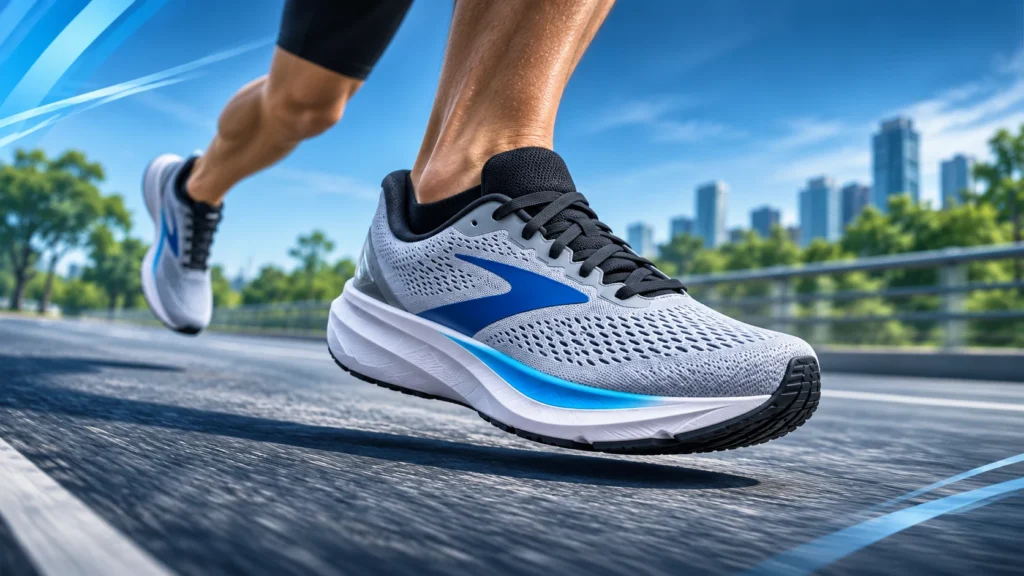
In short, the Launch 11 is a light neutral road trainer for daily runs and quicker workouts. Brooks pairs DNA Flash foam with DNA Flash v2 in the forefoot. This setup favors a responsive step rather than deep, pillowy softness. An 8 mm listed drop shifts its geometry away from the Launch 10.
Brooks also uses a breathable, structured mesh upper and RoadTack rubber beneath the foot. That updated rubber is not just a cosmetic change. RunRepeat measured a clear improvement in grip during its standardized wet-surface test. A runner taking brisk turns on damp pavement has a reason to care.
The men’s listed sample weighs 7.7 ounces, or about 218 grams. That number needs context. An independent size-nine test sample weighed about 8.4 ounces. Sample size, width, and test methods can explain why a manufacturer figure differs from a lab result. Do not choose the Launch 11 based on a single weight number.
- Better tested wet grip
- Updated responsive foam
- Breathable, secure upper
- Useful for daily and tempo miles
- Still feels firm to some runners
- Forefoot volume can feel snug
- Higher original retail price
- Less flexible than Launch 10
Brooks Men’s Launch 11 Neutral Running Shoe
Original US retail price: $120. Exact Amazon prices vary with color, size, and seller. Product link points to an identified Launch 11 color variant.
What Is the Brooks Launch 10 Designed to Do?
Mainly, the Launch 10 is a simple neutral trainer with a traditional 10 mm drop. Its DNA cushioning gives runners a fairly direct ride. The shoe feels light enough for short intervals, daily miles, and steady road running. It lacks the dual-foam setup used in the Launch 11.
Brooks originally positioned the Launch 10 at $110 in the United States. Its men’s listed weight is around 8.2 to 8.3 ounces, depending on the source. RunRepeat weighed a men’s size-nine sample at 8.1 ounces. In that particular lab comparison, the older shoe was lighter than the Launch 11 sample.
The upper feels secure without relying on a large support structure. Its outsole has more forefoot cutouts, which help the shoe bend. That flexibility can feel natural during easy runs. The trade-off is reduced wet-surface traction in published testing. For deeper model background, see the Brooks Launch 10 review.
- Flexible forefoot construction
- Simple, light trainer design
- Familiar 10 mm drop
- Potential clearance value
- Weaker tested wet traction
- Less updated foam technology
- Not a plush long-run shoe
- Older stock needs careful checking
Brooks Men’s Launch 10 Neutral Running Shoe
Original US retail price: $110. Remaining sizes and colors can have different prices. Product link points to an identified Launch 10 color variant.
How Do Brooks Launch 11 and Launch 10 Specs Compare?
The Launch 11 changes four core details: cushioning, drop, upper, and outsole. Both shoes remain neutral road trainers. They both use breathable uppers, removable insoles, and rubber outsoles. Neither includes a carbon plate, a built-in stability rail, or electronics. The specs show a meaningful update, not a totally new shoe category.
The numbers below separate brand-listed values from third-party tests. This matters because weight and drop can vary by measurement method. A listed 8 mm drop is a design specification. The same model may show a different value in an independent test. Use both sources for context, not as identical measurements.
| Feature | Launch 10 | Launch 11 | Edge |
|---|---|---|---|
| Category | Neutral road trainer | Neutral road trainer | Tie |
| Original US retail | $110 | $120 | Launch 10 |
| Midsole | Brooks DNA | DNA Flash; v2 forefoot | Launch 11 |
| Listed heel-to-toe drop | 10 mm | 8 mm | Preference |
| Men’s listed weight | About 8.2–8.3 oz | 7.7 oz | Launch 11 on paper |
| RunRepeat tested weight | 8.1 oz | 8.4 oz | Launch 10 in lab |
| RunRepeat tested forefoot grip | 0.34 | 0.51 | Launch 11 |
| RunRepeat bend-force test | 13.3 N | 14.9 N | Launch 10 flexes easier |
| Upper | Breathable engineered mesh | Updated structured mesh | Fit dependent |
| Outsole | Rubber with more cutouts | Updated RoadTack rubber | Launch 11 for grip |
| Removable insole | Yes | Yes | Tie |
| Dedicated stability system | No | No | Tie |
Sources: Brooks product specifications and independent Launch 11 lab tests and Launch 10 lab tests. Test numbers are measurements from those reviews, not tests conducted by this site.
Which Has Better Cushioning and Speed: Launch 11 or Launch 10?
The Launch 11 wins for updated cushioning and a brisker forefoot feel. Brooks uses nitrogen-infused DNA Flash in the newer midsole. Its DNA Flash v2 forefoot adds a different response near toe-off. Launch 10 uses standard DNA foam, which offers a more traditional training experience.
Still, newer foam does not mean soft foam. Independent reviewers describe the Launch 11 as firm underfoot. That can work well during steady road running, yet feel harsh to runners who want deep compression during slow recovery days. The Launch 10 is also relatively firm. Neither shoe is a substitute for a maximum-cushion trainer.
Picture a runner mixing a 5-kilometer easy run with four short strides. The Launch 11’s updated forefoot can make those faster sections feel more engaging. Now picture a runner moving slowly for 90 minutes on tired legs. That runner may prefer a softer model, regardless of which Launch version is newer.
Another surprise comes from weight. In one lab’s controlled samples, Launch 10 measured 230 grams and Launch 11 measured 237 grams. The shoe with newer foam was not lighter in that test. Look at fit, grip, and actual ride needs before assuming that newer means faster.
Which Fits Better: Brooks Launch 11 or Launch 10?
The Launch 10 has an edge for runners who want a less snug midfoot fit. Launch 11’s upper holds the foot securely during pace changes. That structure can feel excellent when cornering. Yet runners with broad forefeet or high-volume feet may notice pressure before they notice any performance benefit.
RunRepeat’s internal fit measurements show a narrower widest forefoot on Launch 11. The measured values were 93.2 mm for the newer shoe and 97.5 mm for Launch 10. Those figures come from test samples, not every shoe size. They do, however, explain why fit reports can differ between the generations.
Both models use a partially gusseted tongue. This helps limit tongue movement. Both also have removable insoles. That feature can make it easier to use a suitable replacement footbed. It does not make either model a medical support shoe.
When ordering online, measure each foot late in the day. Wear your normal running socks. Compare your foot length and width with the actual product listing. Our running shoe sizing guide explains why the same labeled size can feel different in two shoes.
Which Has Better Traction and Durability?
The Launch 11 wins on measured traction, especially for wet pavement. RunRepeat recorded a wet-surface friction result of 0.51 for Launch 11. It recorded 0.34 for Launch 10 under its testing method. The higher score indicates a stronger grip result in that controlled setup.
This is one of the best reasons to upgrade. Damp sidewalks, painted lines, and smooth concrete can expose weak grip. Better traction can help, but no road shoe is slip-proof. Slow down around standing water, ice, polished surfaces, and loose debris.
The Launch 11 also changes rubber coverage. Its forefoot has fewer cutouts than Launch 10. This helps explain why independent tests found a slightly firmer bending response. In those tests, Launch 11 needed 14.9 newtons to flex, compared with 13.3 newtons for Launch 10.
Durability needs a more careful verdict. Launch 11 gained improved toe-box abrasion performance in lab tests. However, its heel lining did less well in a separate abrasion test. Neither result proves how many miles your pair will last. Running form, terrain, socks, and care all affect wear.
Which Offers Better Price and Value?
Launch 11 offers better value when it costs about the same as Launch 10. Its original US price was $120, only $10 above Launch 10’s $110 launch price. For that difference, buyers received new foam, updated rubber, and a changed upper. Those upgrades justify a modest premium for many road runners.
Live selling prices tell a different story. At the time of this comparison, third-party shopping trackers showed an Amazon Launch 11 offer around $84. Another tracker showed an Amazon Launch 10 offer near $89.20. These were separate listings. They did not establish the price of the same size, width, or color.
The apparent $5.20 advantage for Launch 11 is useful only if your exact size is available. Always compare the final price, the seller, the return policy, and the condition. Clearance stock can sell out quickly. A price shown for one color may not apply to another.
Here is a practical shopping rule, not a lab result. If the Launch 11 costs the same or up to $20 more, start with it. If a genuine Launch 10 costs $25 less and fits you well, the older model deserves attention. Never pay extra solely for a higher model number.
Which Brooks Launch Works Best for Real Running Situations?
Launch 11 wins more road-running scenarios, while Launch 10 remains useful for familiar fit and flexibility. The best choice changes with weather, pace, and foot shape. Think about the runs you complete most often, not the fastest session you imagine completing someday.
Which Is Better for Daily Road Miles?
Launch 11 wins for mixed daily miles. Its updated foam and outsole give it a broader practical range. A runner who combines easy running, short pickups, and occasional tempo work can use one shoe across those sessions. Comfort still decides whether the pair is suitable.
Which Is Better for Cold, Wet Morning Runs?
Launch 11 wins for damp roads because of its stronger measured grip. The published friction difference matters more than the two-millimeter listed drop change. Neither shoe is built for snow or ice. Cold weather can also change how foam feels, so test comfort before a long outing.
Which Is Better for Intervals and Tempo Work?
Launch 11 gets the edge for mixed speed workouts. Its secure upper helps keep the foot in place during quicker sections. The newer forefoot foam is designed for responsive toe-off. Neither Launch shoe offers the race-day propulsion of a plated performance racer.
Which Is Better for Walking or Long Work Shifts?
Launch 10 can suit walkers who enjoy a simpler, more flexible ride. However, neither model is a specialist work shoe. Employees who stand for long shifts may want softer cushioning or job-specific slip resistance. Commercial buyers outfitting staff should test several sizes before placing bulk orders.
Which Is Better for Longer Easy Runs?
Neither Launch model is an automatic winner for plush long runs. Both favor a lighter, firmer ride. Some runners enjoy this over longer distances. Others feel pressure as fatigue grows. For a softer alternative, compare the Brooks Ghost 16 review before deciding.
Is the Price Difference Worth Paying?
Paying a small premium for Launch 11 makes sense when traction and updated cushioning matter. Brooks raised the original price by $10. That difference is modest relative to the changes. Still, current offers can reverse the original price order. Old stock does not always cost less.
Start with three checks. First, compare your exact size, width, and color. Second, read the seller and return terms. Third, ask whether the change solves a problem. If your Launch 10 slips on damp roads, the newer outsole is meaningful. If your older pair feels perfect on dry runs, buying a newer pair provides less benefit.
Budget also changes the answer. A runner who buys one pair for every session needs reliable fit more than a small lab advantage. A runner who rotates shoes for speed, rain, and recovery can choose a Launch model for a narrower role.
Prices may change between reading this review and checking out. Treat the amounts above as shopping snapshots, never guaranteed offers. The links in the product cards let you inspect the current listing before ordering.
Who Should Buy Launch 11, and Who Should Buy Launch 10?
Choose Launch 11 for better road traction; choose Launch 10 for a known fit or a meaningful discount. Both are neutral shoes, so neither provides the targeted guidance of a stability model. Your ideal pair depends on the way the shoe holds your foot and the surfaces you use.
If you are new to running, avoid buying from specifications alone. Fit, comfort, and training pace need to work together. The choose running shoes guide offers a simple process for matching shoe type to your needs.
- You train on damp pavement.
- You want an updated forefoot response.
- A secure upper suits your foot.
- The price is near Launch 10.
- Your current pair fits well.
- You prefer more forefoot flexibility.
- You favor a 10 mm listed drop.
- You find a trusted clearance deal.
- You want plush comfort: consider Brooks Ghost 17.
- You need guidance support: compare Brooks Adrenaline GTS 25.
- You race on technical trails: choose a proper trail shoe.
What Are Real Wearers Saying About Both Models?
Published feedback praises both models for light training, but highlights different trade-offs. The Launch 10 is often discussed as a reliable, simple shoe. The Launch 11 gains praise for traction, upper security, and useful speedwork. Complaints about the newer shoe often involve firm cushioning or a tight-feeling forefoot.
Independent wear reviewers report that Launch 11’s grip remains a strong point after dozens of miles. One Running Shoes Guru tester described over 50 miles of use, with the outsole still holding up well. That same tester found the cushioning firmer and less exciting than expected. This is a reminder that better foam technology does not guarantee a bouncy sensation.
Launch 11: Praise for grip, breathable fit, and versatility. Cautions about firmness, fit volume, and price.
Launch 10: Praise for simple daily use, flexibility, and light feel. Cautions about wet grip and less energetic cushioning.
These themes paraphrase published product feedback and independent reviews. Verified Amazon review totals and averages were not reliably established for matching sizes and listings.
There is no sound reason to assign an exact Amazon star average to the whole model without checking a specific live listing. Amazon often separates variations by seller, size, and color. The fit scores near the top of this article are editorial judgments, not claims about verified purchasers.
How Should You Care for Brooks Launch Running Shoes?
Clean both Launch models gently, dry them naturally, and inspect wear often. The upper is breathable mesh, while the outsole uses road-focused rubber. A small amount of routine care keeps dirt away from the fabric and makes outsole damage easier to spot.
After a wet run, remove loose dirt with a soft brush. Wipe the upper with mild soap and cool water. Take out the insoles when practical. Let the shoes air-dry away from radiators, heaters, and direct high heat. Heat can damage adhesives and change the shape of foam and fabric.
Alternate running shoes when you can. This gives damp pairs more drying time. Check the tread at the heel and forefoot every few weeks. A worn patch does not always mean immediate replacement. But uneven wear, new pain, or a changed ride should trigger a closer inspection.
For older Launch 10 stock, inspect the product before running. Check for dried glue, cracked materials, or unusual stiffness. Properly stored older stock can perform well, but age and storage conditions matter. No exact mileage target works for every runner.
Final Verdict: Should You Upgrade to Brooks Launch 11?
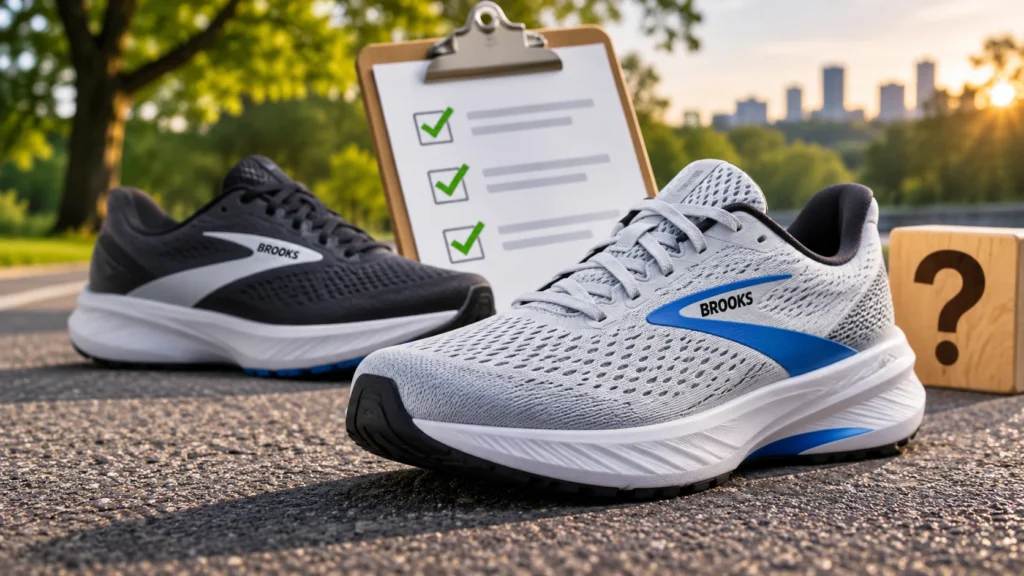
Yes, choose Launch 11 if your current running shoes need replacing and the fit works for you. The upgrade brings more than new colors. Its foam changes, forefoot grip improves in controlled testing, and the upper feels more structured. Those changes make it the stronger overall road-running option.
That does not mean a comfortable Launch 10 needs early retirement. Its easier flex and familiar drop still have value. The older shoe can remain a sensible purchase when it fits better or sells for much less. Buying an upgrade just because it is newer wastes money if your current pair meets your needs.
My main buying rule is simple. Compare the exact size and final price, not just the advertised model. Test for toe pressure, heel slip, and comfort at your usual pace. If both fit equally well and cost nearly the same, Launch 11 earns my recommendation. If neither feels right, keep looking.
Brooks Launch 10
Best for a familiar flexible ride and a worthwhile discount.
Brooks Launch 11
Best overall for updated foam and stronger measured traction.
Frequently Asked Questions
Which is better, Brooks Launch 11 or Launch 10?
Brooks Launch 11 is better for most runners comparing the two. It has updated foam, a more secure upper, and stronger measured wet-surface grip. Launch 10 still makes sense if its flexible feel suits you better or a trusted retailer offers a large discount in your exact size.
What is the biggest difference between Launch 11 and Launch 10?
The biggest practical difference is the outsole’s tested grip. RunRepeat recorded friction scores of 0.51 for Launch 11 and 0.34 for Launch 10. The newer model also uses nitrogen-infused DNA Flash foam and has an 8 mm listed drop, compared with 10 mm on Launch 10.
Does Brooks Launch 11 run true to size?
Launch 11 can fit snugly, especially through the front of the shoe. Some reviewers report true-to-size comfort, while lab-based fit assessments flag reduced internal volume. Start with your normal running size, then check width and toe space. A comfortable fit matters more than the number printed on the label.
Is Brooks Launch 11 good for long-distance running?
Brooks Launch 11 can handle longer road runs for runners who like firmer cushioning. It is not designed as a soft, maximum-cushion shoe. Build distance gradually before using it for a half marathon or beyond. If your feet feel beaten up after long efforts, compare softer daily trainers.
Is Brooks Launch 11 worth buying instead of Launch 12?
Launch 11 is worth considering when it fits comfortably and costs meaningfully less than Launch 12. The newer Launch 12 deserves a look when prices are close. Compare the actual shoes, not just model numbers. For many buyers, fit and the final checkout price matter more than a yearly update.
Affiliate Disclosure: As an Amazon Associate, I earn from qualifying purchases. If you click a link on this page and make a purchase, I may receive a small commission — at no extra cost to you. I only recommend products I genuinely believe will help you. This helps keep the site free and running. Thank you for your support.