

Quick Answer
Yes, you can hike in running shoes on easy, well-maintained trails. Road-running shoes work best on dry, smooth paths, while trail-running shoes offer better traction for dirt, gravel, and uneven ground. For steep, muddy, or rocky routes, dedicated hiking footwear may provide better protection. Start by choosing shoes with a comfortable fit and appropriate grip, following REI’s hiking footwear guidance.
When are running shoes suitable for hiking?
- Easy trails: Smooth park paths and maintained walking routes generally suit comfortable running shoes.
- Dry conditions: Good weather reduces problems caused by slippery mud and wet surfaces.
- Light backpacks: Running shoes are often practical when carrying minimal equipment.
- Moderate terrain: Trail-running shoes can handle many dirt, gravel, and mildly rocky trails.
- Technical terrain: Specialized footwear is preferable when grip, durability, or foot protection becomes critical.
Before starting your hike
- Check the trail: Review conditions, elevation, weather, and surface hazards.
- Inspect your shoes: Confirm the soles have suitable traction and the footwear fits securely.
Can you hike in running shoes without buying hiking boots? Yes, and for many casual outdoor adventures, they’re a practical option.
However, not every running shoe belongs on every trail. I’ll explain where running shoes work, when they become risky, and how to choose a suitable pair.
What Does Hiking in Running Shoes Mean?
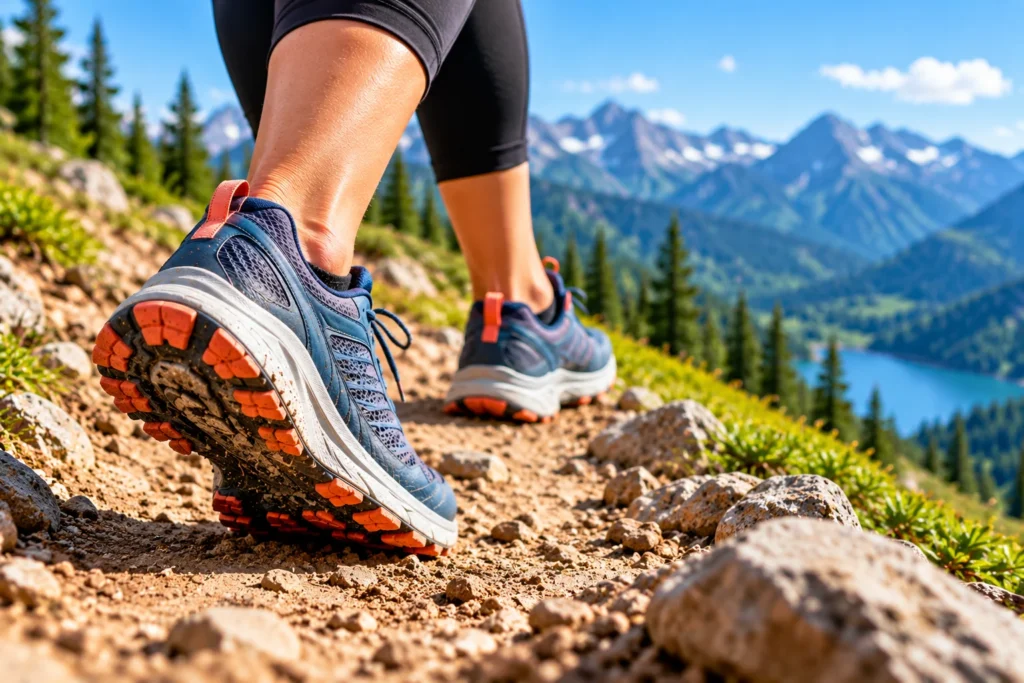
Hiking in running shoes means using footwear designed primarily for running while walking on outdoor trails. The shoes may be road-running models or trail-running models.
These categories have different designs. Understanding the difference helps you decide which shoes belong on your next hike.
Road-Running Shoes
Road-running shoes are designed mainly for pavement, treadmills, and other relatively even surfaces. They usually have flexible midsoles, cushioning, and outsoles suited to firm ground.
They’re often comfortable on paved nature paths. Their traction and protection can become inadequate on loose rocks or muddy slopes.
Trail-Running Shoes
Trail-running shoes are designed for running across dirt, gravel, roots, and uneven surfaces. Most feature textured rubber outsoles with raised tread blocks called lugs.
Depending on the model, they may also include reinforced toe areas, firmer platforms, and protective rock plates.
- Light-trail models: Suitable for maintained dirt paths and mixed pavement.
- Rugged-trail models: Designed for rougher surfaces with rocks and roots.
- Soft-ground models: Feature aggressive tread for mud and loose soil.
Trail-running shoes often provide the most useful compromise for people who enjoy both running and hiking.
Can You Hike in Regular Road-Running Shoes?
Yes, regular road-running shoes can work for easy hikes with predictable surfaces. However, they aren’t a reliable choice for every outdoor route.
The key issue isn’t whether a trail is officially called a hike. It’s whether your footwear can handle the terrain safely.
Where Road-Running Shoes Work Best
Road-running shoes generally perform best when the ground resembles the surfaces they were designed for.
- Paved walking trails in parks.
- Maintained gravel paths with gentle slopes.
- Dry, firm woodland trails without major obstacles.
- Short nature walks with minimal elevation changes.
- Urban hikes combining sidewalks and park paths.
For example, consider a three-mile walk through a maintained forest park. If the route is mostly dry and smooth, comfortable road-running shoes may be enough.
However, that same trail can become challenging after heavy rain. Conditions matter as much as distance.
When Road-Running Shoes Become a Poor Choice
Standard running shoes can struggle when the trail requires specialized traction or protection. That doesn’t automatically mean every road shoe will fail.
It means the margin for error may become smaller.
- Wet rocks: Some road outsoles provide insufficient grip.
- Deep mud: Shallow tread may clog or slide.
- Loose gravel: Unstable ground can make footing difficult.
- Sharp rocks: Flexible soles may offer limited protection.
- Steep descents: Poor traction can increase slipping risks.
- Snow and ice: Ordinary running shoes generally lack appropriate winter traction.
My preferred decision rule is to examine the most difficult section of a trail, not just its average difficulty.
One slippery descent can matter more than several miles of comfortable walking.
Are Trail-Running Shoes Good for Hiking?
Yes, trail-running shoes are often excellent for day hiking on light and moderate terrain. They combine lightweight construction with features designed for off-road movement.
Many hikers prefer their flexibility and breathability over traditional boots. Still, suitability depends on terrain, shoe design, and the weight carried.
Benefits of Trail-Running Shoes for Hiking
- Lower weight: Many models feel less cumbersome than traditional hiking boots.
- Improved flexibility: Flexible construction allows natural movement over changing ground.
- Trail traction: Lugged outsoles help grip loose soil, gravel, and some rocky surfaces.
- Breathability: Mesh uppers can release heat and moisture in warm weather.
- Comfort: Cushioned designs may feel familiar to regular runners.
- Versatility: One suitable pair can handle trail runs and many day hikes.
These advantages explain why trail runners remain popular among lightweight hikers and some long-distance backpackers.
Limitations You Should Understand
Trail-running shoes don’t automatically provide the same durability or protection as sturdy hiking footwear.
- Lightweight uppers may wear faster against abrasive rocks.
- Flexible soles may transmit more pressure from sharp objects.
- Low-cut designs provide less coverage from debris and weather.
- Some soft midsoles feel unstable under heavy backpacks.
- Aggressive mud lugs may perform poorly on hard, smooth rock.
Remember that trail-running shoes vary substantially. A rugged mountain model and a lightweight park-trail model shouldn’t be treated as interchangeable.
Running Shoes vs. Trail Shoes vs. Hiking Boots: What’s Better?
Running shoes, trail-running shoes, and hiking boots serve overlapping but different purposes. The best option depends on your trail rather than a single universal ranking.
Here’s a practical comparison for typical shoe designs.
| Feature | Road Running Shoes | Trail Running Shoes | Hiking Boots |
|---|---|---|---|
| Typical terrain | Pavement and smooth paths | Dirt, gravel, and moderate trails | Rough trails and demanding conditions |
| Traction | Pavement-focused | Terrain-specific lugs | Generally robust trail tread |
| Flexibility | Usually high | Moderate to high | Often lower |
| Breathability | Usually high | Usually high | Varies; often lower |
| Foot protection | Limited off-road protection | Moderate, model-dependent | Often more substantial |
| Best pack load | Light | Light to moderate | Moderate to heavy, depending on design |
| Typical use | Casual maintained paths | Day hikes and fast hiking | Rugged backpacking and demanding hikes |
These comparisons describe general design trends, not guarantees. Some rugged trail runners outperform lightweight boots in particular conditions.
For a more detailed discussion, see REI’s comparison of hiking boots and trail runners.
What Types of Hiking Trails Can Running Shoes Handle?
The suitability of running shoes changes with trail surface, weather, and elevation. Use the following examples as practical guidelines.
Easy and Maintained Trails
Most comfortable road-running shoes can handle smooth, dry trails with minimal obstacles. Trail runners are also appropriate.
Look for firm ground, predictable footing, and limited steep terrain.
Gravel and Dirt Trails
Trail-running shoes generally offer better traction than standard road trainers. Loose stones and dusty slopes may require more grip.
Choose an outsole suited to mixed surfaces rather than assuming every trail shoe performs equally.
Rocky and Root-Filled Trails
Rugged trail-running shoes may work well on moderate rocky trails. Prioritize protective soles, a secure fit, and reliable traction.
For sustained scrambling or very sharp terrain, specialized hiking or approach footwear may be preferable.
Muddy or Wet Trails
Running shoes with shallow tread often struggle in soft mud. Trail shoes with deeper, well-spaced lugs can provide better grip.
Waterproofing isn’t the only consideration. Your shoes also need appropriate traction, and wet rocks can remain slippery.
Snowy or Icy Trails
Ordinary running shoes aren’t appropriate for untreated icy hiking routes. Winter conditions may require insulated footwear and suitable traction devices.
For remote mountain travel, research equipment requirements and turn back when conditions exceed your experience.
How Far Can You Hike in Running Shoes?
There’s no fixed maximum hiking distance for running shoes. A comfortable, appropriately designed pair may handle anything from a short walk to long-distance hiking.
Distance alone doesn’t determine suitability. Terrain, foot comfort, backpack weight, and shoe durability all matter.
Short Hikes: 1–3 Miles
On smooth trails, regular running shoes may be entirely reasonable. Make sure their soles still have grip.
This distance is also useful for testing how unfamiliar footwear feels on uneven ground.
Moderate Hikes: 3–8 Miles
Trail-running shoes become a more attractive option when the route includes roots, loose dirt, or changing elevation.
Choose enough cushioning for comfort without sacrificing stability.
Long Hikes: 8 Miles or More
Experienced hikers regularly use trail-running shoes for long routes. However, footwear must match the terrain, weather, and total load.
Test your shoes on shorter outings before attempting a demanding hike. Don’t use an unfamiliar pair for an isolated backcountry trip.
How Do You Choose Running Shoes for Hiking?
Choose hiking-compatible running shoes by prioritizing grip, protection, stable cushioning, and fit. The best pair should feel secure on uneven surfaces.
I recommend evaluating the actual trail before comparing shoe specifications.
1. Check the Outsole Traction
Outsole traction is one of the most important differences between road shoes and trail footwear.
- Shallow tread works better on smooth, hard surfaces.
- Moderate lugs suit many dirt and gravel trails.
- Deeper, spaced lugs can help grip soft mud.
- Sticky rubber compounds may improve traction on suitable rock surfaces.
No outsole grips every surface equally well. Wet algae-covered rocks and ice can remain dangerous even with specialized shoes.
2. Look for Comfortable, Stable Cushioning
Running shoes vary from firm, low-profile designs to tall, highly cushioned models.
On uneven ground, extra-soft cushioning can sometimes feel unstable. Look for a platform that feels controlled during side-to-side movement.
3. Consider Underfoot Protection
Sharp stones can become uncomfortable through flexible running soles. Some trail runners address this with protective inserts or rock plates.
A rock plate is a protective layer designed to reduce pressure from hard trail objects.
4. Choose a Secure Heel and Roomy Toe Box
Your heel should remain secure without excessive pressure. Your toes also need enough room to move comfortably during downhill walking.
For additional fit guidance, read how much toe room you need in running shoes.
5. Evaluate Waterproofing and Breathability
Waterproof shoes can help keep feet dry in shallow water and wet vegetation. However, waterproof membranes often reduce ventilation.
Non-waterproof trail shoes may dry faster after water enters them. Choose based on expected temperatures and moisture exposure.
6. Match the Shoe to Your Backpack
A lightweight daypack places different demands on footwear than a heavy multi-day backpack.
As loads increase, look for a secure platform, suitable protection, and enough stability for your abilities.
What Are the Biggest Mistakes When Hiking in Running Shoes?
The biggest mistake is assuming a comfortable running shoe will automatically work on demanding terrain. Running comfort and hiking suitability aren’t identical.
Avoid these common problems before your next trip.
- Ignoring trail conditions: Always check recent reports and weather forecasts.
- Using worn-out shoes: Damaged or smoothed outsoles can compromise traction.
- Choosing grip by appearance: Large tread blocks don’t guarantee performance on every surface.
- Wearing narrow shoes: Tight toe boxes can create discomfort during long descents.
- Carrying excessive weight: Heavy loads may demand sturdier footwear.
- Skipping a test hike: Unfamiliar shoes may cause blisters or pressure points.
- Overlooking the weather: Rain, snow, and freezing temperatures change trail demands.
- Trusting waterproof claims too much: Waterproof shoes can still become wet from above.
I’d pay particular attention to shoe wear. A comfortable pair with a badly worn outsole may no longer provide the grip you need.
How Can Beginners Test Running Shoes Before Hiking?
Beginners should test running shoes on a short, familiar trail before using them for longer outdoor adventures. Start with easy terrain and gradually introduce more challenging surfaces.
- Inspect the shoes: Check outsole wear, stitching, laces, and overall condition.
- Wear hiking socks: Use the socks you plan to wear during longer outings.
- Walk on level ground: Confirm the heel and forefoot feel comfortable.
- Try a gentle incline: Check whether your heel slips or your toes move forward.
- Test a short descent: Notice any toe pressure or instability.
- Walk over mild uneven ground: Assess how securely the shoes grip.
- Check your feet afterward: Look for rubbing, hot spots, or discomfort.
If the shoes consistently slip or cause pain, don’t force them to work. Adjust the fit or choose more appropriate footwear.
For wider feet, the guide to running shoe width and sizing may help you find a better fit.
Can Hiking in Running Shoes Damage Your Feet?
Hiking in running shoes doesn’t automatically damage your feet. Problems are more likely when the footwear doesn’t fit, lacks suitable grip, or provides insufficient protection.
Potential concerns include discomfort, blisters, toe pressure, and slipping injuries.
Blisters and Friction
Poorly fitting shoes may rub during long walks, especially when feet become sweaty. Moisture-wicking socks and secure lacing can help.
Toe Pain on Descents
Repeated downhill pressure can push toes against the front of the shoe. Proper sizing and heel security help reduce this problem.
Foot Fatigue on Rocky Ground
Thin or flexible soles may allow sharp surfaces to press into your feet. More protective footwear can be useful on rocky routes.
Slips and Ankle Injuries
Inadequate traction can contribute to falls. Neither low-cut shoes nor high-cut boots eliminate ankle injury risk.
If you experience persistent pain, significant swelling, or difficulty bearing weight, stop hiking and seek appropriate medical care.
How Can You Stay Safe While Hiking in Running Shoes?
Safe hiking depends on preparation as well as footwear. Choose a route that matches your equipment and experience.
Before leaving, review basic outdoor safety recommendations from the National Park Service.
- Review the route and expected weather.
- Carry adequate drinking water and suitable food.
- Bring navigation and an emergency communication option.
- Wear shoes appropriate for the hardest trail section.
- Use socks that manage moisture.
- Slow down on loose rocks and wet surfaces.
- Avoid unfamiliar technical terrain when hiking alone.
- Turn back if trail conditions become unsafe.
The American Hiking Society also provides useful hiking education and preparation resources.
Which Running Shoes Are Worth Considering for Hiking in 2026?
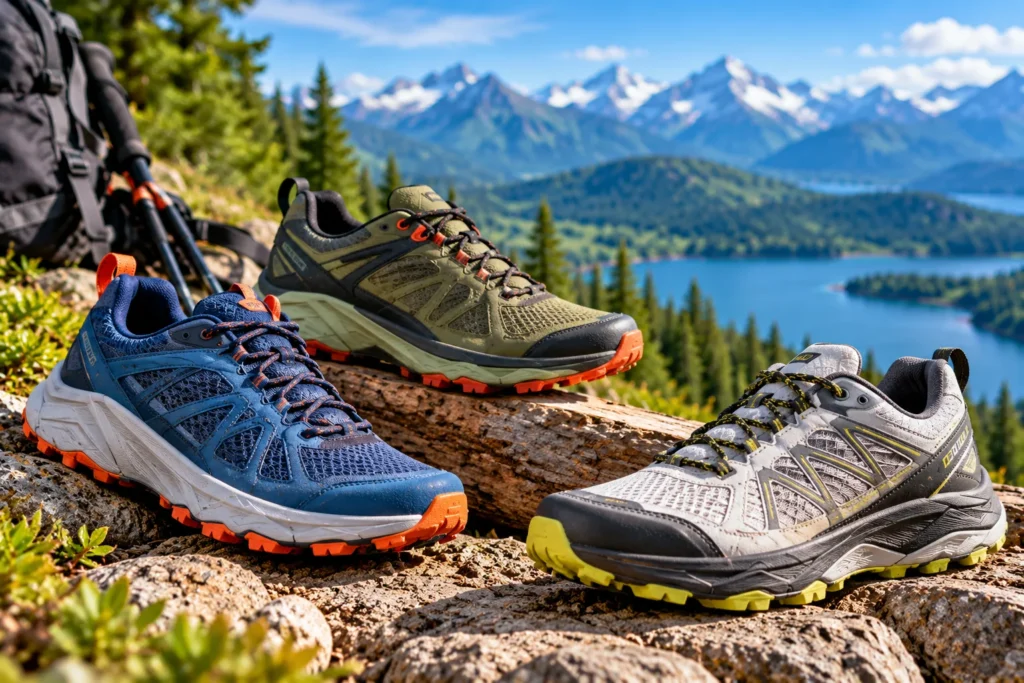
If you’re buying a pair for hiking, I would start with trail-specific models rather than regular road trainers. Three useful options are Brooks Cascadia, Salomon Speedcross, and Altra Lone Peak.
Each addresses a different priority. The assessments below are editorial suitability scores, not verified customer ratings or claims of personal testing.
Affiliate disclosure: As an Amazon Associate, we may earn from qualifying purchases at no additional cost to you.
🏆 Best for mixed trails
Brooks Cascadia 19
★★★★☆ 4/5
A versatile trail-running model designed for varied off-road terrain. I’d shortlist the Cascadia for hikers who want a balanced trail shoe for regular day hikes and running.
🥾 Best for soft-ground traction
Salomon Speedcross 6
★★★★☆ 4/5
Designed with aggressive lugged traction for soft and loose terrain. I’d consider it for muddy trails, though its specialized outsole is less versatile on pavement.
👣 Best for roomy toe comfort
Altra Lone Peak 9
★★★★☆ 4/5
A trail-running shoe known for its foot-shaped toe area and zero-drop platform. I’d consider it for hikers seeking toe room, while allowing time to adapt to the zero-drop geometry.
Availability and model specifications can vary by version and region. Check the current product details before purchasing.
Frequently Asked Questions
Can you hike in running shoes instead of hiking boots?
Yes, running shoes can replace hiking boots for many easy day hikes, particularly on smooth and maintained trails. Trail-running shoes offer more off-road traction than standard road trainers. Hiking boots remain useful for rugged terrain, heavy loads, and situations where added protection or weather resistance matters.
Can you wear running shoes on rocky trails?
Trail-running shoes can work on moderately rocky trails when they have suitable traction and underfoot protection. Standard road shoes may be less comfortable and provide insufficient grip. For sustained sharp rock, loose scree, or technical scrambling, consider more protective hiking or approach footwear.
Are running shoes good for long hikes?
Running shoes can be comfortable for long hikes when they fit correctly and suit the terrain. Experienced hikers sometimes use trail runners for substantial distances. However, foot fatigue, pack weight, durability, and trail conditions matter more than mileage alone. Test new shoes before attempting long routes.
Can beginners hike in running shoes?
Beginners can hike in comfortable running shoes on short, well-maintained trails. Start with dry paths and manageable elevation changes. Inspect the outsole and test the fit before leaving. If you plan to explore muddy, rocky, or steeper terrain regularly, trail-running shoes are generally a better starting choice.
Are trail-running shoes better than hiking shoes?
Neither category is universally better. Trail-running shoes tend to emphasize low weight, flexibility, and breathability, while hiking shoes often prioritize durability and underfoot protection. Trail runners may suit fast day hikes, whereas hiking shoes may be preferable for rough terrain or heavier loads. Fit remains essential.
Final Verdict: Can You Hike in Running Shoes?
Yes, you can hike in running shoes, and buying hiking boots isn’t necessary for every outdoor adventure. Comfortable road-running shoes may be sufficient on easy, maintained trails.
For regular off-road hiking, trail-running shoes usually offer a more appropriate combination of traction, flexibility, and protection.
Choose sturdier hiking footwear when the route involves technical terrain, demanding weather, or heavy backpack loads. The goal isn’t to wear the heaviest shoes available.
It’s to wear the right shoes for the conditions.
My recommendation: Start by checking the trail surface, then evaluate your shoes’ grip, fit, and condition. A short test hike is the simplest way to find out whether your footwear feels suitable before committing to a longer route.