

Quick Answer
Yes, the Brooks Glycerin 22 is still worth buying if you want plush comfort for easy runs, long runs, and walking. Its DNA Tuned foam, 10 mm drop, and broad platform create a steady ride. However, its weight and modest energy return make it less appealing for speed training. A good discount makes it more attractive.
What makes the Brooks Glycerin 22 worth considering?
- DNA Tuned cushioning supports soft landings and controlled toe-offs.
- A broad platform provides a stable-feeling neutral ride.
- The 10 mm drop suits runners who prefer traditional shoe geometry.
- Its heavier build limits its appeal for fast workouts.
Quick Verdict: Brooks Glycerin 22
EDITOR’S VERDICT
Recommended for Comfort
Best for easy runs, long road miles, and daily walking.
Original retail price: $165.00
Observed Brooks sale price: $114.95
Price shown for a selected men’s colorway. Availability and Amazon pricing vary.
PERFORMANCE SNAPSHOT
Cushioning: Plush and protective
Ride: Smooth at easier speeds
Stability: Stable-feeling neutral platform
Weight: 10.2 oz men’s listed weight
Speed work: Not a main strength
Overall value: Stronger when discounted
| Category | Verdict |
|---|---|
| Easy running | Excellent fit for its purpose |
| Long runs | Comfortable daily training option |
| Walking | Comfortable, though somewhat heavy |
| Fast workouts | Better alternatives available |
| Sale value | Recommended at a meaningful discount |
Bottom line: Buy the Brooks Glycerin 22 for dependable cushioning and easy-mile comfort, especially when its price falls well below its original $165 retail price.
- DNA Tuned foam is the Glycerin 22’s main technical upgrade.
- The 10 mm drop preserves a familiar traditional running-shoe feel.
- The broad midsole helps the shoe feel steady during easier runs.
- Its weight and limited bounce reduce its value for speed workouts.
- Discounted pairs offer better value than paying the original $165 price.
Finding the right cushioned running shoe isn’t always easy. You want soft landings, but you also need enough support to run comfortably. A shoe that feels perfect in the store can behave differently after several miles.
That’s why the Brooks Glycerin 22 deserves a close look. It combines premium cushioning with the familiar feel of a traditional daily trainer. The main question is whether that combination still justifies its price.
I’m Steven Tyler, writing for Footwear Hiker. This review draws on Brooks’ published specifications, independent laboratory measurements, and documented runner experiences. It is a research-based assessment, not a claim of personal mileage testing.
We’ll look at cushioning, fit, durability, stability, and overall value. I’ll also explain where the Glycerin 22 falls short and which runners should consider another shoe.
What Is the Brooks Glycerin 22 Running Shoe?
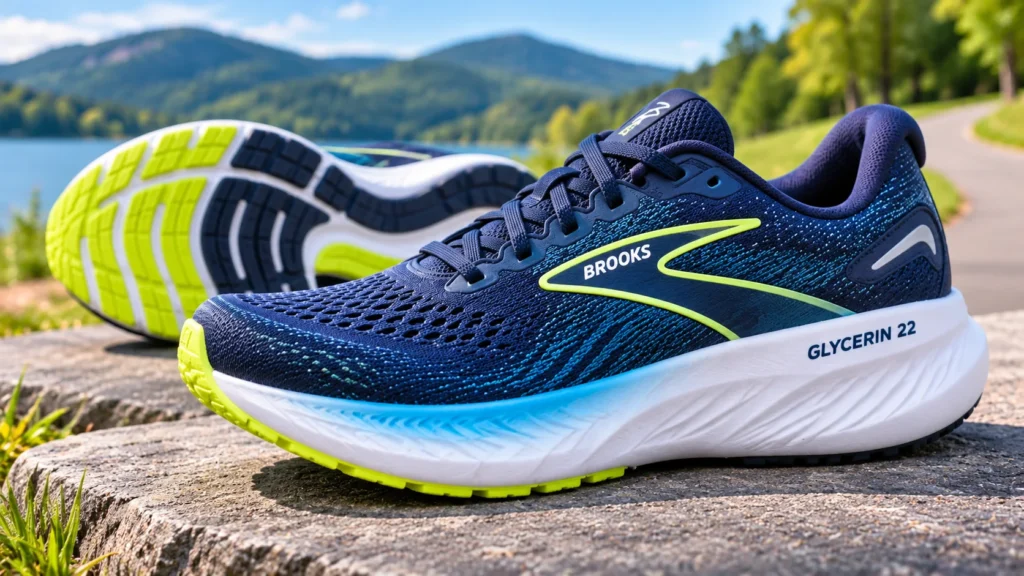
In short, the Brooks Glycerin 22 is a premium neutral road-running shoe built for cushioned daily training. It works best for runners who value comfort, predictable movement, and a secure fit rather than maximum speed.
The Glycerin line sits near the plush end of Brooks’ daily running range. The Glycerin 22 continues that focus while introducing DNA Tuned cushioning.
Unlike a racing shoe, the Glycerin 22 does not depend on a carbon plate or aggressive racing geometry. It uses cushioning and a broad base to make daily miles more comfortable.
Who Is the Brooks Glycerin 22 Best For?
Runners who want a plush neutral trainer for regular road miles, recovery runs, and longer sessions at a relaxed pace.
What Are the Biggest Pros and Cons?
The Glycerin 22 offers a comfortable upper, substantial cushioning, and a steady ride. Its main trade-offs are weight, toe-box height, and limited excitement at faster speeds.
Pros
- Plush heel cushioning
- Stable-feeling neutral platform
- Comfortable padded upper
- Good for daily road running
- Strong outsole durability in lab testing
- Multiple width options
Cons
- Heavier than many daily trainers
- Limited energy return for fast running
- Low toe-box height may bother some runners
- Premium original retail price
- Not designed for rugged trails
- May feel bulky to lightweight-shoe fans
What Are the Brooks Glycerin 22 Specifications?
The Glycerin 22 has a 10 mm heel-to-toe drop, nitrogen-infused DNA Tuned foam, and a neutral support design. Brooks lists the men’s shoe at 10.2 ounces, while Running Warehouse reports a women’s weight of 9.1 ounces.
These specifications describe the shoe’s general character. Fit, cushioning feel, and ride quality still vary by runner.
| Specification | Brooks Glycerin 22 |
|---|---|
| Brand | Brooks Running |
| Shoe category | Neutral road running |
| Midsole foam | DNA Tuned |
| Heel-to-toe drop | 10 mm |
| Men’s listed weight | 10.2 oz / 289.2 g |
| Women’s reported weight | 9.1 oz / approximately 258 g |
| Reported stack height | 39 mm heel / 29 mm forefoot |
| Upper | Engineered double jacquard knit |
| Outsole | RoadTack rubber |
| Support category | Neutral |
| Original retail price | $165.00 |
| Best use | Easy runs, long runs, daily training, walking |
Running Warehouse reports the stack-height figures and shoe weights. The men’s specifications also appear on the official Brooks Glycerin 22 product page.
How Does the Brooks Glycerin 22 Cushioning Perform?
The Glycerin 22 delivers plush cushioning at the heel and a firmer, more controlled push-off at the front. Its DNA Tuned foam makes landings comfortable without turning the shoe into an extremely soft or unstable platform.
The foam uses two different cell sizes. Larger cells sit toward the heel, while smaller cells shape the forefoot feel. Brooks designed this arrangement to balance softness and response.
That sounds like a major performance breakthrough. However, independent reviewers describe a more measured change. The ride remains familiar, comfortable, and better suited to steady mileage than fast intervals.
What Makes DNA Tuned Foam Different?
DNA Tuned uses nitrogen-infused foam with different cell structures in one midsole. This creates separate cushioning characteristics without requiring two completely different foam compounds.
The larger heel cells aim to soften landings. Smaller forefoot cells help create a firmer transition during toe-off.
The key benefit is consistency. The shoe offers enough cushioning for daily running while maintaining a traditional feel.
Is the Glycerin 22 Soft or Firm Underfoot?
The Brooks Glycerin 22 feels plush, but it is not the softest running shoe available. Independent reviewers often describe its heel as comfortable and its forefoot as more controlled.
That balance can work well for runners who dislike an unstable, sinking sensation. Others may want a softer shoe with a stronger rolling motion.
Our soft firm running shoes guide explains how cushioning choices can change the feel of daily training.
Is the Brooks Glycerin 22 Good for Long Runs?
Yes, the Glycerin 22 works well for long runs at comfortable and steady speeds. Its cushioning, supportive-feeling platform, and padded upper make it a strong option for runners who prioritize comfort over a fast pace.
The shoe is particularly suitable for regular road training. Long efforts place repeated demands on the feet, and consistent cushioning helps make those miles more manageable.
However, the Glycerin 22 is not especially light. Runners who prefer minimal weight may notice its bulk as a session continues.
Can You Use It for Marathon Training?
The Glycerin 22 can handle easy runs and longer sessions during marathon preparation. Its predictable ride suits runners building endurance through regular road mileage.
It can also serve as the main training shoe in a simple rotation. However, runners doing fast intervals may prefer a lighter second pair.
A dedicated racing shoe is not necessary for every marathon runner. Comfort, fit, and pacing goals should guide the choice.
Is It Good for Recovery Runs?
Yes, the Glycerin 22 suits slow recovery runs when the fit feels comfortable. Its plush heel and steady platform help create a relaxed running experience.
The cushioning does not guarantee faster recovery or prevent injuries. Recovery still depends on training load, rest, and individual needs.
Choose the Glycerin 22 for comfort rather than expecting the foam to replace good training habits.
How Comfortable Is the Brooks Glycerin 22 Upper and Fit?
The Glycerin 22 offers a secure, padded fit, but its low toe-box height may bother some runners. The engineered double jacquard knit upper provides flexibility and a structured hold through the midfoot.
Brooks also uses substantial padding around the tongue and collar. This helps create a comfortable feel during regular training and walking.
However, a soft upper does not guarantee enough space for every foot shape. Toe-box height and forefoot volume deserve close attention.
Does the Brooks Glycerin 22 Run True to Size?
Most professional reviews describe the Glycerin 22 as fitting true to size. Starting with your usual running-shoe size is reasonable.
However, sizing also depends on foot length, width, and sock thickness. Try the shoe while standing, walking, and jogging when possible.
Your toes should have room to move. The heel should remain secure without painful pressure from tight laces.
Is the Toe Box Wide Enough?
The Glycerin 22 has a reasonably accommodating width, but toe-box height is a concern. RunRepeat measured only 23.6 mm of toe-box height in its lab sample.
This measurement helps explain why some runners report pressure above their toes. Runners with high-volume feet should check the upper carefully.
Available width options can help with side-to-side space. They do not always solve problems caused by limited vertical room.
Fit warning: Do not assume a wider size will fix pressure across the top of your toes. Check both width and vertical space before buying.
How Stable Is the Brooks Glycerin 22?
The Glycerin 22 provides useful inherent stability, even though Brooks classifies it as a neutral shoe. Its broad base helps create a planted feel during easy and steady running.
The secure heel and controlled forefoot also contribute to predictable transitions. This can benefit runners who prefer cushioning without excessive side-to-side movement.
However, the shoe does not include the same dedicated guidance features as the Glycerin GTS 22.
What Is the Difference Between Glycerin 22 and Glycerin GTS 22?
The standard Glycerin 22 is the neutral model. The Glycerin GTS 22 adds Brooks GuideRails support technology for runners who prefer extra guidance.
Both share a cushioning-focused design, but their intended support needs differ. Neither is automatically better for every foot type.
Our neutral stability running shoes guide explains how to evaluate these categories.
Does the Glycerin 22 Offer Arch Support?
The Glycerin 22 provides underfoot structure through its midsole and platform. It does not contain traditional corrective support components found in dedicated stability shoes.
Some runners will find that support level sufficient. Others may prefer the GTS version or carefully selected orthotics.
Arch height alone does not determine which shoe you need. Personal comfort and movement patterns matter.
How Durable Is the Brooks Glycerin 22?
The Glycerin 22 shows promising durability, especially through its rubber outsole and sturdy construction. Independent lab testing also found strong wear resistance in important areas.
The RoadTack outsole uses rubber coverage in high-contact zones. This helps protect the midsole from direct road abrasion during everyday runs.
Still, outsole wear and cushioning performance are separate issues. A shoe can retain visible tread after its ride no longer feels comfortable.
How Many Miles Can the Brooks Glycerin 22 Last?
A practical inspection range for many daily trainers is around 300 to 500 miles. However, that is not a guaranteed lifespan for the Glycerin 22.
Running style, body weight, road texture, and storage conditions influence durability. Frequent use on rough pavement can also create uneven outsole wear.
Look for compressed cushioning, discomfort, uneven tread, and damaged upper material. Replace shoes when their condition affects your comfort or movement.
Does the Glycerin 22 Have Good Traction?
The Glycerin 22 offers usable traction on ordinary roads and sidewalks. Its rubber outsole is designed for daily pavement running.
RunRepeat measured a wet-surface friction result of 0.44 in its laboratory test. That indicates functional grip, but it does not make the shoe slip-proof.
Use extra care on painted road markings, ice, wet metal, and muddy paths. The Glycerin 22 is not a technical trail shoe.
Can You Use the Brooks Glycerin 22 for Walking?
Yes, the Brooks Glycerin 22 can be an excellent walking shoe for people who enjoy generous cushioning. Its padded upper and stable-feeling platform also suit extended periods of standing.
Many running shoes work well for walking because both activities benefit from suitable fit and comfortable cushioning. The Glycerin 22 fits that role well.
However, its weight and stiffness may feel excessive to someone accustomed to lightweight walking shoes. Its 10 mm drop also creates a noticeable heel-to-forefoot height difference.
Is It Suitable for Standing All Day?
The Glycerin 22 can feel comfortable during long periods on your feet. Its cushioned heel and padded interior make it appealing for everyday wear.
However, standing comfort depends on your foot shape and the surfaces underfoot. Softness alone does not guarantee comfort through an entire work shift.
Try the shoe during normal daily activity before relying on it for extended standing.
Who Benefits Most From the Brooks Glycerin 22?
The Glycerin 22 is best for comfort-focused runners and walkers who want a cushioned, traditional daily trainer. It is less suitable for runners seeking a light racing feel or aggressive speed performance.
These common situations show where the shoe makes sense and where another model could perform better.
| Use Case | Suitability | Reason |
|---|---|---|
| Easy road running | Excellent | Plush and steady ride |
| Long-distance training | Very good | Comfortable cushioning |
| Daily walking | Very good | Padded fit and broad base |
| Beginner running | Good | Predictable running feel |
| Speed intervals | Limited | Heavy and less energetic |
| Rugged trails | Not recommended | Road-focused outsole design |
Is the Brooks Glycerin 22 Good for Beginners?
Yes, the Glycerin 22 can be a suitable first running shoe for beginners who prefer soft cushioning. Its broad base, secure upper, and familiar geometry make it approachable.
However, beginners do not need to spend $165 to start running. The correct fit and comfortable movement matter more than choosing a premium model.
A beginner should also consider training frequency and preferred surfaces. Someone running short sessions twice per week may be satisfied with a less expensive daily trainer.
Our first running shoes guide explains the essential factors to consider before purchasing.
Brooks Glycerin 22 vs Glycerin 21: Is It an Upgrade?
The Glycerin 22 updates the cushioning technology, but it does not completely change the familiar Glycerin ride. The biggest update is the move from DNA LOFT v3 to DNA Tuned foam.
Both shoes retain a 10 mm heel-to-toe drop. That makes the transition between generations easier for runners who already enjoy the older geometry.
The Glycerin 22 also introduces an updated double jacquard knit upper. However, fit differences can matter more than the foam change.
| Feature | Glycerin 21 | Glycerin 22 |
|---|---|---|
| Midsole | DNA LOFT v3 | DNA Tuned |
| Drop | 10 mm | 10 mm |
| Running purpose | Daily comfort | Daily comfort |
| Upper | Warp knit | Double jacquard knit |
| Best buying reason | Familiar fit at a lower price | Updated foam and upper |
Should Glycerin 21 Owners Upgrade?
Glycerin 21 owners do not need to upgrade solely for DNA Tuned foam. Independent testers describe the Glycerin 22 as an improvement rather than a complete transformation.
If your current shoes fit comfortably and still perform well, continuing to use them is reasonable.
Read our Brooks Glycerin 21 review for a closer look at the older model’s strengths.
Brooks Glycerin 22 vs Glycerin 23: Which Should You Buy?
Choose the Glycerin 22 when a meaningful discount and its 10 mm drop suit your needs. Consider the Glycerin 23 when you want the newer design and an 8 mm drop.
The Glycerin 23 continues Brooks’ DNA Tuned cushioning concept. Its updated geometry and construction create a different buying choice rather than making the Glycerin 22 unusable.
For someone who loves traditional Glycerin geometry, the older shoe can still feel preferable. A lower price makes that choice easier to justify.
Is the Glycerin 23 Worth Paying More For?
The newer Glycerin 23 is worth considering when its price is close to the Glycerin 22. It provides a more recent design and updated running experience.
However, the 8 mm drop will not feel identical to the older shoe’s 10 mm drop. Some runners prefer maintaining a familiar setup.
Compare your actual size, color, and final checkout prices. A large discount on the Glycerin 22 can outweigh a modest benefit from the newer model.
How Does the Glycerin 22 Compare With Other Running Shoes?
The Glycerin 22 is a premium comfort-focused trainer, while other running shoes emphasize lighter weight, speed, or different cushioning styles. Choosing between them depends on your regular training needs.
For example, the Brooks Ghost line offers a more balanced everyday training option. The Glycerin line focuses more heavily on plush comfort.
Runners who want a lighter, less substantial feel should explore other daily trainers before committing to the Glycerin 22.
Brooks Glycerin 22 vs Ghost 17
The Glycerin 22 is the better fit when plush cushioning is your main goal. The Ghost 17 is a strong alternative for runners seeking a balanced daily trainer.
Both can handle regular road mileage, but their cushioning feel differs. A runner who finds the Glycerin bulky may enjoy the Ghost’s character more.
Our Brooks Ghost 17 review covers that model’s comfort, fit, and performance.
Brooks Glycerin 22 vs ASICS GEL-Nimbus
The GEL-Nimbus family is another option for runners seeking substantial cushioning. Different Nimbus generations offer different foam setups and running characteristics.
The Glycerin 22 appeals to runners who want a structured, stable-feeling platform. Those who prefer a softer or more rolling ride should test a comparable Nimbus model.
Neither shoe wins for every runner. Foot shape, fit, weight, and cushioning preference should decide.
What Are Real Runners Saying About the Glycerin 22?
Independent reviews consistently praise the Glycerin 22’s comfort while raising concerns about weight and limited speed performance. The upper also receives mixed feedback because its secure feel can become restrictive for some foot shapes.
Running Warehouse praised its comfortable daily-training character but highlighted toe-box shape and excess tongue padding. RunRepeat identified strong durability and a breathable upper while criticizing the weight and relatively low toe-box height.
Some runner discussions also describe a difference between comfortable store fit and pressure during actual movement. These comments are individual reports, not proof that every pair has the same issue.
Independent Review Consensus
Common positives: Comfortable cushioning, secure upper, dependable daily-running performance, and durable construction.
Common negatives: Extra weight, limited bounce, and possible toe-box pressure.
Editorial assessment: The shoe performs best when comfort and steady mileage matter more than maximum speed.
For detailed third-party evidence, consult the RunRepeat laboratory review and the Running Warehouse wear review.
Is the Brooks Glycerin 22 Worth Its Price?
The Brooks Glycerin 22 offers its best value when bought below the original $165 retail price. It remains a capable daily trainer, but newer models compete for the same comfort-focused buyers.
Brooks displayed a sale price of $114.95 for a selected men’s colorway during this review. That is $50.05 below the original price, representing about a 30% discount.
However, that price does not guarantee stock in every size. Amazon listings and other retailers may charge different amounts.
What Is a Good Price for the Glycerin 22?
A price near $115 represents a meaningful discount from the original $165 retail figure. At that level, the Glycerin 22 becomes more compelling for comfort-focused runners.
At or near full retail, compare newer models before buying. The price difference needs to justify choosing an older design.
Check return policies as well. A cheap shoe that fits poorly is rarely a good purchase.
Who Should Buy the Brooks Glycerin 22?
Buy the Brooks Glycerin 22 if you value comfortable daily miles, a stable-feeling platform, and a traditional high-drop design. Its strongest qualities match easy running and walking rather than speed-focused training.
Buy the Glycerin 22 If:
- You prefer plush cushioning.
- You run mainly on roads.
- You value a secure, padded fit.
- You prefer a 10 mm drop.
- You find a meaningful discount.
Skip the Glycerin 22 If:
- You want a lightweight racing shoe.
- You need aggressive trail grip.
- You dislike substantial uppers.
- You need more vertical toe room.
- You want maximum speed response.
Who Should Consider a Different Running Shoe?
Runners who prioritize quick turnover and energetic foam should consider lighter performance trainers. The Glycerin 22 is designed around comfort rather than speed.
People with high-volume feet should also test the toe box before buying. Its measured vertical space may feel restrictive.
Finally, runners who need dedicated guidance should compare the Glycerin GTS range instead of assuming the neutral model provides the same features.
How Should You Care for Brooks Glycerin 22 Shoes?
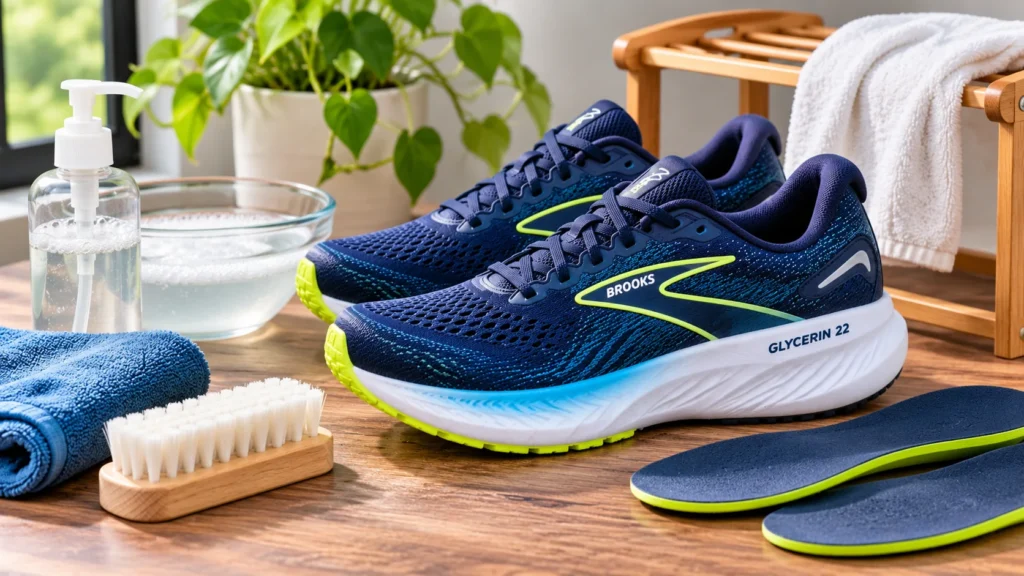
Clean the Glycerin 22 gently, dry it naturally, and inspect the outsole regularly. Simple care helps protect the upper and can reduce avoidable wear.
Road shoes collect dust, sweat, and moisture through routine use. Removing dirt before it builds up keeps the upper and outsole easier to maintain.
However, cleaning cannot reverse worn-out foam. Proper care helps preserve the shoe’s condition but does not guarantee a particular lifespan.
What Is the Best Way to Clean Them?
Use a soft brush to remove loose dirt. Then clean the upper with mild soap and a damp cloth.
Avoid harsh chemicals and direct heat. High temperatures can affect footwear adhesives and foam materials.
Let the shoes dry naturally in a ventilated place. Remove the insoles when necessary to improve airflow.
Should You Rotate Running Shoes?
Using two pairs can give shoes more time to dry between runs. Rotation also allows runners to choose different footwear for different training sessions.
For example, the Glycerin 22 can handle easy mileage while a lighter pair serves faster workouts.
Rotation is optional, not a requirement. Replace footwear based on its condition, fit, and ongoing comfort.
Final Verdict: Should You Buy the Brooks Glycerin 22?
Yes, the Brooks Glycerin 22 is worth buying when you want a comfortable neutral trainer and can find it at a good price. Its plush DNA Tuned cushioning, broad platform, and padded upper make it well suited to regular road mileage.
The shoe’s limitations are clear. It is heavier than many daily trainers and does not deliver exceptional bounce or speed. Its low toe-box height also deserves attention during fitting.
Still, not every runner needs a fast shoe. For someone building endurance through easy miles, predictable comfort is often more useful than aggressive performance features.
My recommendation: Choose the Glycerin 22 if its fit works for you and the discount is meaningful. If the price is close to the newer Glycerin 23, compare both before deciding.
Brooks Glycerin 22: A Smart Comfort Buy
Best for easy runs, long road sessions, and everyday walking. Check your size, fit, and current price before ordering.
Frequently Asked Questions
Is the Brooks Glycerin 22 good for everyday running?
Yes, the Brooks Glycerin 22 is built for everyday road running. Its plush DNA Tuned cushioning and broad platform work well for relaxed, steady mileage. However, its weight makes it less suitable for runners who want one lightweight shoe for every type of workout.
Is the Brooks Glycerin 22 better than the Glycerin 21?
The Glycerin 22 introduces DNA Tuned cushioning and an updated upper. These changes improve parts of the experience without completely changing the ride. The Glycerin 21 remains a sensible option when its fit works well and its price is lower. Neither model is automatically better for every runner.
Does the Brooks Glycerin 22 run true to size?
Most professional reviews describe the Brooks Glycerin 22 as running true to size. However, its relatively low toe-box height can create pressure for runners with high-volume feet. Start with your usual running-shoe size, then check width, toe clearance, and heel security before committing.
Can I wear the Brooks Glycerin 22 for walking all day?
Yes, the Glycerin 22 can be comfortable for extended walking and daily wear. Its cushioned heel and padded upper are useful for people who spend considerable time on their feet. However, its weight and stiffness may not suit someone who prefers a light, flexible walking shoe.
Is the Brooks Glycerin 22 worth buying over the Glycerin 23?
The Glycerin 22 is worth considering when its lower price and 10 mm drop match your preferences. The Glycerin 23 offers a newer design and an 8 mm drop. Compare both models at current prices, then prioritize fit and comfort rather than assuming the newest model is always the best choice.
Affiliate Disclosure:
As an Amazon Associate, I earn from qualifying purchases.
If you click a link on this page and make a purchase,
I may receive a small commission — at no extra cost to you.
I only recommend products I genuinely believe will help you.
This helps keep the site free and running. Thank you for your support.