

Quick Answer
The HOKA Mach 7 wins overall with better wet-road grip and improved foot lockdown. It costs $145, while the Mach 6 originally costs $140. Both offer responsive cushioning for daily runs and speed training. Choose the Mach 6 when a substantial discount makes it the better value.
What makes the Mach 7 different from the Mach 6?
- Mach 7 delivers better wet-road traction in independent testing.
- Mach 7 features an updated upper and secure tongue construction.
- Mach 6 offers similar running performance at discounted prices.
⚡ Quick Verdict — HOKA Mach 7 vs Mach 6
HOKA Mach 7
Research-based editorial verdict
$145 (Regular retail price)
✅ Best for:
Runners who want improved traction, secure fit and versatile training performance.
HOKA Mach 6
Research-based editorial verdict
$140 (Original retail price)
✅ Best for:
Budget-conscious runners who want lightweight shoes for daily and faster runs.
| Category | Mach 7 | Mach 6 |
|---|---|---|
| Overall Winner | 🏆 | — |
| Best Discounted Value | — | ✅ |
| Wet-Road Traction | ✅ | — |
| Responsive Cushioning | ✅ | ✅ |
| Updated Foot Lockdown | ✅ | — |
Bottom line: The Mach 7 wins for runners who value better grip and updated fit, while the Mach 6 becomes the smarter buy at a substantial discount.
Prices shown are retail reference prices, not verified live Amazon offers.
- The Mach 7 wins overall thanks to improved wet-road traction.
- The Mach 6 has a $5 lower original retail price.
- Both shoes use responsive supercritical EVA foam without a plate.
- A discounted Mach 6 suits beginners and budget-conscious runners.
- Better outsole grip is a key reason to choose the Mach 7.
Shopping for a fast daily running shoe can get confusing. The HOKA Mach 7 and Mach 6 look similar at first glance.
Both shoes promise a light feel and responsive cushioning. Both work for daily miles and faster training sessions. Yet some small design changes can affect your running experience.
I’m Steven Tyler, and my focus here is helping you make a practical footwear choice. This comparison draws on published specifications, independent laboratory measurements and running shoe reviews.
Rather than judging each shoe by its release date, I look at what changes matter. Grip, fit, cushioning and price deserve more attention than appearance alone.
The HOKA Mach 7 improves parts of an already popular running shoe. However, the Mach 6 still offers a strong mix of speed and comfort.
You also need to consider how often you run. A runner who trains on wet streets has different needs from a treadmill runner.
Your current shoes matter as well. Replacing a comfortable Mach 6 before it wears out offers limited value.
So, which model deserves your money? The answer starts with understanding what each shoe does best.
What Is the HOKA Mach 7 Designed to Do?
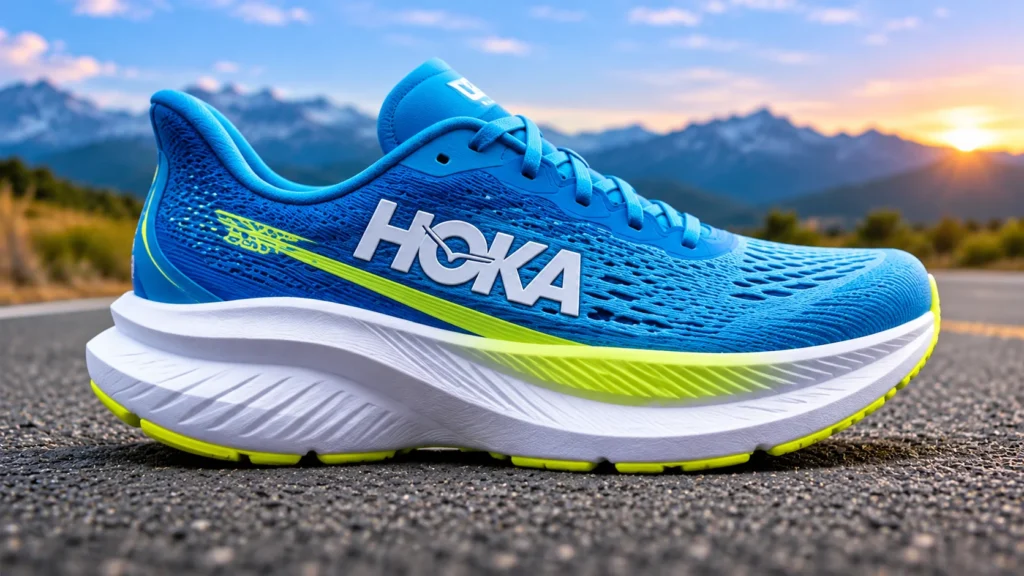
The HOKA Mach 7 is a lightweight neutral running shoe for daily training, tempo sessions and faster road runs. Its revised outsole and upper improve grip and foot security.
Best for: Daily running, tempo workouts and wet-road training.
Not ideal for: Runners seeking maximum softness or dedicated stability support.
Primarily, the HOKA Mach 7 serves runners who want one versatile training shoe. It combines a responsive ride with enough cushioning for regular road miles.
Its supercritical ethylene-vinyl acetate (EVA) foam provides the main cushioning layer. This foam design aims to balance rebound with low weight. The shoe does not use a rigid racing plate.
Independent laboratory testing by RunRepeat measured the Mach 7 at 224 grams. That low weight helps explain its appeal for faster workouts. A revised outsole also improves traction compared with its predecessor.
The HOKA Mach 7 carries a regular retail price of $145. Its strongest appeal comes from combining everyday training and faster running. You can use one pair for several types of road sessions.
However, runners who prefer a deep, soft ride should compare other models. The Mach 7 places more emphasis on responsiveness than plush comfort.
- Improved wet-road traction.
- Lightweight running shoe construction.
- Responsive supercritical EVA foam.
- Secure updated tongue design.
- Versatile daily and tempo performance.
- Standard and wide options.
- Higher regular retail price.
- Firm feel for softness-focused runners.
- Not a dedicated stability shoe.
- Not designed for technical trails.
- Limited upgrade value for current Mach 6 owners.
HOKA Mach 7 Road Running Shoes
$145
Regular retail price. Amazon pricing and availability may differ.
- Responsive supercritical EVA midsole.
- Updated rubber outsole for road traction.
- Lightweight neutral training platform.
- Suitable for daily runs and speed workouts.
What Is the HOKA Mach 6 Designed to Do?
The HOKA Mach 6 is a lightweight daily trainer with a responsive foam midsole. It remains a strong choice for runners who want speed, comfort and discounted value.
Best for: Budget-conscious runners, daily training and tempo workouts.
Not ideal for: Runners who prioritize improved wet-road grip.
In short, the HOKA Mach 6 offers speed without a racing plate. It combines low weight, responsive cushioning and a smooth road running platform.
The Mach 6 uses supercritical EVA foam for its midsole. This design supports both steady runs and faster efforts. Its curved sole geometry helps create smooth transitions during running.
A creel jacquard mesh upper holds the foot in place. Strategic rubber coverage protects key outsole contact areas. These features give the Mach 6 a practical balance of weight and road performance.
RunRepeat measured the tested Mach 6 at 232 grams. Its original US retail price was $140. Older inventory can offer meaningful savings when retailers reduce prices.
The main reason to choose the Mach 6 today is value. Its core running platform remains competitive with the updated model. Existing owners also have little reason to replace a comfortable pair early.
- Responsive and lightweight ride.
- Potential clearance discounts.
- Suitable for several training paces.
- Comfortable neutral running platform.
- Established independent review history.
- Available in standard and wide versions.
- Lower measured wet-road traction.
- Standard fit can feel snug.
- Limited remaining sizes in clearance stock.
- Less plush than maximum-cushion shoes.
- Lacks the Mach 7 upper refinements.
HOKA Mach 6 Road Running Shoes
$140
Original retail price. Check available discounts before buying.
- Lightweight supercritical EVA foam.
- Creel jacquard mesh upper.
- Strategic rubber outsole coverage.
- Suitable for daily and faster road runs.
How Do the HOKA Mach 7 and Mach 6 Specs Compare?
Primarily, the Mach 7 improves outsole grip and upper construction. Both shoes retain similar foam technology, neutral support and a 5 mm listed heel drop. Their shared design explains why the Mach 6 remains competitive.
| Specification | HOKA Mach 7 | HOKA Mach 6 | Winner |
|---|---|---|---|
| Regular retail price | $145 | $140 original | Mach 6 |
| Shoe category | Road running | Road running | Tie |
| Lab-tested weight | 224 g (7.9 oz) | 232 g (8.2 oz) | Mach 7 |
| Listed heel drop | 5 mm | 5 mm | Tie |
| Midsole foam | Supercritical EVA | Supercritical EVA | Tie |
| Support type | Neutral | Neutral | Tie |
| Carbon plate | No | No | Tie |
| Upper | Updated lightweight upper | Creel jacquard mesh | Mach 7 |
| Tongue design | Fully gusseted | Previous gusset design | Mach 7 |
| Outsole | Revised rubber layout | Strategic rubber coverage | Mach 7 |
| Lab traction score | 0.62 | 0.49 | Mach 7 |
| Width options | Standard and wide | Standard and wide | Tie |
| Daily running | Yes | Yes | Tie |
| Tempo training | Yes | Yes | Tie |
| Waterproof construction | No | No | Tie |
| Overall recommendation | Best overall | Best discounted value | Mach 7 |
Specification notes: Laboratory weight and traction figures come from RunRepeat. Weight varies by shoe size and testing method. Retail prices are reference prices rather than live Amazon prices.
The specification table reveals an important point. Most of the core running features remain shared between these two shoes.
That means buyers should focus on the areas that changed. Paying more for improved grip makes sense for regular outdoor runners. Treadmill runners have less reason to prioritize that difference.
Which Shoe Offers Better Running Performance and Cushioning?
In short, the HOKA Mach 7 has a slight overall performance advantage. However, the Mach 6 remains competitive because both shoes share responsive foam technology. The biggest practical differences involve grip and foot security rather than cushioning alone.
Which Shoe Has Better Energy Return?
Both shoes offer responsive rides, with no clear winner for every runner. Their supercritical EVA midsoles balance cushioning and rebound without a stiff plate.
Energy return describes how much energy the foam returns after compression. It contributes to the shoe’s feel during each stride.
The Mach 7 does not represent a complete change in foam technology. Runners should not expect a dramatic improvement in speed from upgrading alone.
A runner completing repeated 800-meter intervals needs a predictable shoe. Both models can serve that purpose when their fit feels secure.
Which Shoe Feels Better During Daily Runs?
The Mach 6 offers excellent daily running value when discounted. Its responsive platform remains useful for steady training and moderate running speeds.
Consider a runner covering 3 miles before work each morning. That runner needs comfort, a reliable fit and suitable cushioning. Both shoes meet those basic needs for compatible feet.
The Mach 7 adds value when those daily routes include wet sidewalks. Its outsole improvements address a practical concern beyond foam softness.
Which Shoe Is Better for Tempo Running?
The Mach 7 earns a slight advantage for tempo workouts. Its low measured weight and updated upper support faster running efforts.
Tempo running involves sustained efforts above your usual easy pace. During these sessions, secure heel and midfoot hold become useful.
For example, a 20-minute tempo workout requires repeated, consistent strides. Loose foot movement inside a shoe can become distracting.
The Mach 6 still works well for this type of training. Choose the Mach 7 when improved lockdown matters more than savings.
Which Shoe Handles Long Runs Better?
Neither model wins every long-distance running situation. Both offer similar core cushioning, and personal comfort becomes more important as distance increases.
A runner preparing for a half marathon can use either shoe. The right choice depends on how the feet respond during longer training sessions.
Independent reviewers have successfully used the Mach 7 for extended road runs. One Tom’s Guide review included a 15-mile run among its tests.
Runners who prefer maximum cushioning should consider a softer training shoe. The HOKA Bondi 9 provides an alternative for comfort-focused mileage.
The Mach 7 wins narrowly through its lighter tested construction and updated foot lockdown. The Mach 6 remains competitive in cushioning and pace versatility.
Which Shoe Offers Better Fit, Comfort and Breathability?
The HOKA Mach 7 wins for updated fit construction and foot security. Its revised tongue and upper distinguish it from the Mach 6. However, neither model guarantees a better fit for every foot shape.
How Does the Mach 7 Upper Differ From the Mach 6?
The Mach 7 features a revised upper designed around running performance. The Mach 6 uses a creel jacquard mesh construction.
The upper covers your foot and connects it to the sole. Its main jobs involve holding the foot securely and allowing airflow.
A useful upper should not squeeze your toes during longer sessions. It should also limit unwanted heel movement without creating pressure.
The Mach 7’s design changes make it an appealing choice for runners seeking a more secure hold. Existing Mach 6 owners should still compare the fit before switching.
Which Shoe Offers Better Heel Lockdown?
The Mach 7 has the stronger case for improved lockdown. Independent testing from RTINGS identifies its revised heel counter and fully gusseted tongue as key changes.
A gusseted tongue connects to the upper through fabric panels. This construction limits unwanted tongue movement while you run.
For example, runners completing sharp turns during road intervals need secure footing. A well-fitted upper helps limit movement inside the shoe.
However, heel lockdown depends on sizing and foot shape. Tightening the laces cannot correct every fit problem.
Which HOKA Mach Shoe Is Better for Wide Feet?
The wide version of either shoe is the better starting point. Both models offer additional width options in selected sizes and markets.
A wider shoe can provide more room across the forefoot. It does not automatically guarantee the correct shape for your toes.
Try running shoes with the socks you normally wear. Check the fit while standing and walking before starting a run.
Pay attention to pressure around your little toe and big toe. Persistent squeezing indicates that you should try another width or model.
Which Shoe Keeps Your Feet Cooler?
The Mach 7 has the advantage in updated upper ventilation design. Its revised materials target breathability while maintaining a secure fit.
Airflow matters during long runs in warm conditions. Heat and moisture can make a poorly fitted shoe less comfortable.
The Mach 6 also uses a breathable upper suitable for road training. Neither shoe provides waterproof protection against heavy rain.
Try both shoes late in the day with your regular running socks. Leave comfortable toe space, check heel movement and avoid buying a shoe that causes immediate pressure.
Which HOKA Mach Shoe Offers Better Value?
The HOKA Mach 6 offers better value when available at a meaningful discount. Its original price of $140 sits only $5 below the Mach 7. Larger clearance savings make the older model more attractive.
Does the Mach 7 Offer Enough New Features?
Yes, the Mach 7 justifies a small price increase for new buyers. Its updated outsole and upper address practical parts of running shoe performance.
A $5 difference represents a small portion of the total purchase. For runners choosing between two full-price pairs, the Mach 7 makes sense.
The decision changes when the Mach 6 receives a substantial discount. Saving $30 or $40 can outweigh features you rarely need.
Is the HOKA Mach 6 Still Worth Buying?
Yes, the Mach 6 remains worth buying at the right price. Its lightweight foam platform supports many of the same workouts as the Mach 7.
Imagine finding your size for $100 instead of paying $145. That purchase saves $45 without giving up the core Mach training experience.
Check the seller, return policy and condition before ordering older stock. A low price does not help when the shoe fits poorly.
Which Shoe Has a Lower Cost per Mile?
The cheaper Mach 6 has a lower cost per mile when both shoes last equally long. Actual ownership value depends on usable mileage and comfort.
Consider a simple example where both pairs last 350 miles. This example illustrates the calculation rather than predicting their lifespan.
| Purchase Scenario | Price | Cost per Mile |
|---|---|---|
| Mach 7 regular price | $145 | $0.41 |
| Mach 6 original price | $140 | $0.40 |
| Mach 6 example sale price | $100 | $0.29 |
The formula is simple. Divide your purchase price by the number of usable miles.
Lower upfront prices help when comfort and service life remain comparable. Never extend the use of worn shoes just to reduce ownership costs.
Value winner: HOKA Mach 6 when substantially discounted.
Which Shoe Has Better Traction and Durability?
The HOKA Mach 7 wins on measured wet-road traction. Its updated rubber layout provides a practical advantage over the Mach 6. However, long-term durability depends on running surfaces, foot strike and individual wear patterns.
Which Shoe Performs Better on Wet Roads?
The Mach 7 delivers better wet-surface traction in independent laboratory testing. RunRepeat recorded a traction score of 0.62 for the newer model.
The Mach 6 scored 0.49 using the same test method. That represents an increase of about 26.5 percent in the measured score.
HOKA Mach 7 — 0.62
HOKA Mach 6 — 0.49
Mach 7: approximately 26.5% higher measured traction score.
Source: RunRepeat. A higher laboratory score does not guarantee an equal reduction in slipping risk.
This difference matters when you run after rainfall. Wet sidewalks and road corners require more attention than dry treadmill belts.
The Mach 7 offers the stronger option for these conditions. Nevertheless, neither shoe prevents slipping on every surface.
How Does the Mach 7 Outsole Differ?
The Mach 7 uses a revised outsole with different rubber zones. Its design includes grip-focused forefoot rubber and abrasion-focused heel rubber.
Different sections of an outsole serve different needs. Forefoot rubber supports traction during push-off. Heel rubber helps protect a frequent contact area.
The Mach 6 also uses rubber across selected outsole sections. However, its measured traction falls below the Mach 7.
The updated design makes the newer shoe more appealing for outdoor training. It does not establish a guaranteed increase in total lifespan.
How Long Do HOKA Mach Running Shoes Last?
Both shoes have variable lifespans based on their use. Running shoes often need replacement after approximately 300 to 500 miles.
This range serves as a general guide rather than a deadline. Some runners wear through the outsole sooner than others.
Check the rubber beneath your heel and forefoot regularly. Also watch for uneven foam compression and changes in comfort.
A runner covering 25 miles each week reaches 400 miles in 16 weeks. Regular checks matter more than relying on a fixed replacement date.
Are These Shoes Suitable for Winter Running?
The Mach 7 is the better option for wet, cleared roads. Neither shoe provides dedicated traction for ice or deep snow.
Cold weather can change how running shoe foam feels. Lower temperatures can also reduce comfort when you first start running.
Choose routes that avoid frozen puddles and slippery surfaces. Dedicated winter running footwear makes more sense when ice becomes common.
Neither HOKA Mach model is an ice-specific or slip-resistant work shoe. Avoid running on untreated ice, and replace shoes when worn rubber no longer provides reliable grip.
Traction and outsole design winner: HOKA Mach 7.
HOKA Mach 7 vs Mach 6: Which Wins in Real-World Use?
The Mach 7 wins for outdoor versatility and wet-road running. The Mach 6 wins for budget-focused training when discounted. Both support several running paces, so your preferred training environment should guide the final choice.
Which Shoe Is Better for Daily 5K Runs?
The Mach 6 wins on value for routine 5K runs. Its foam and lightweight design remain suitable for consistent daily training.
Someone running 5 kilometers three times weekly covers 15 kilometers each week. Both shoes can support this routine when they fit well.
Choose the Mach 7 instead when your daily route frequently becomes wet. Better outsole grip provides a useful reason to spend more.
Which Shoe Works Best for Tempo and Interval Training?
The Mach 7 earns a narrow win for faster workouts. Its lightweight measured construction and revised lockdown give it a practical advantage.
A typical interval session includes repeated fast efforts and recovery periods. Secure foot placement matters when you change pace repeatedly.
Neither shoe requires a rigid plate to feel responsive. Both remain suitable options for runners who prefer non-plated trainers.
Which Shoe Is Better for Half-Marathon Training?
Both shoes can handle half-marathon training for compatible runners. The Mach 7 provides the stronger all-around choice when prices remain close.
A half-marathon training plan often includes easy runs and faster sessions. A versatile shoe reduces the need to purchase multiple specialized pairs.
However, comfort during long runs deserves priority over weight savings. Test your chosen pair over shorter distances before race day.
Which Shoe Is Better for Walking and Gym Workouts?
The Mach 6 offers better discounted value for casual walking. Both shoes can handle light gym activity and treadmill sessions.
Their cushioned running platforms differ from dedicated weightlifting shoes. A flatter, firmer platform often suits heavy lifting better.
If walking and standing form your main activities, consider the HOKA Clifton. Its daily comfort focus better matches those needs for some buyers.
Which Shoe Handles Rainy Running Conditions Better?
The Mach 7 wins for running on wet pavement. Its higher laboratory traction score supports this recommendation.
Consider a runner who trains outdoors throughout a rainy season. Improved grip becomes more useful than small differences in shoe appearance.
Remember that the upper does not provide waterproof protection. Wear suitable socks and dry the shoes after wet sessions.
Which Shoe Offers Better Value for Running Clubs?
The Mach 6 offers stronger bulk purchase value when discounts are available. Running clubs can save more through lower per-pair prices.
For example, 10 pairs at $100 cost $1,000. Ten Mach 7 pairs at $145 cost $1,450.
The hypothetical savings reach $450 across the group. However, fitting each runner matters more than buying everyone the same model.
| Running Situation | Recommended Shoe | Main Reason |
|---|---|---|
| Daily 5K runs | Mach 6 | Discounted value |
| Tempo workouts | Mach 7 | Updated lockdown |
| Long runs | Both | Similar core cushioning |
| Wet-road running | Mach 7 | Better tested grip |
| Budget training | Mach 6 | Potential clearance savings |
| Ice and technical trails | Neither | Requires suitable specialized footwear |
Is the HOKA Mach 7 Worth the Price Difference?
Yes, the Mach 7 is worth a $5 difference for new buyers. Its updated construction and traction justify that small premium. A larger Mach 6 discount changes the recommendation for runners who do not need those improvements.
The Mach 7 carries a regular retail price of $145. The Mach 6 originally retailed for $140 in the United States.
Use the actual checkout price rather than the original price alone. Older models often become cheaper as newer versions reach stores.
| Mach 6 Example Price | Mach 7 Price | Savings | Suggested Choice |
|---|---|---|---|
| $140 | $145 | $5 | Mach 7 |
| $125 | $145 | $20 | Depends on grip needs |
| $110 | $145 | $35 | Mach 6 for value |
| $95 | $145 | $50 | Mach 6 for value |
Discounted prices in this table are illustrative buying scenarios, not confirmed live offers.
Existing Mach 6 owners face a different decision. Buying the Mach 7 requires paying for an entirely new pair.
That expense makes little sense when your current shoes remain comfortable. Wait until replacement becomes necessary unless you have an unmet training need.
The smartest upgrade happens when your current shoe reaches the end of its useful life. You then gain the newer features without wasting a usable pair.
Who Should Buy the HOKA Mach 7 or Mach 6?
Buy the Mach 7 for updated performance and improved wet-road grip. Buy the Mach 6 when savings outweigh those refinements. Both decisions depend on proper fit and the running conditions you face most often.
Who Should Buy the HOKA Mach 7?
Choose the Mach 7 for improved grip and updated fit.
✅ Buy It If:
- You regularly run on wet roads.
- You want improved foot lockdown.
- You need a versatile daily trainer.
- You enjoy faster road workouts.
- The Mach 6 offers little price savings.
❌ Skip It If:
- Your current Mach 6 remains comfortable.
- You prefer maximum cushioning.
- You need specialized trail traction.
- You find a heavily discounted Mach 6.
Who Should Buy the HOKA Mach 6?
Choose the Mach 6 for responsive performance at discounted prices.
✅ Buy It If:
- You want a lower purchase price.
- You mostly run on dry roads.
- You train indoors on a treadmill.
- You already like the Mach 6 fit.
- You want a non-plated speed trainer.
❌ Skip It If:
- You prioritize improved wet-road traction.
- Your preferred size is unavailable.
- The newer model costs almost the same.
- You dislike snug running shoe uppers.
Who Should Avoid Both Running Shoes?
Skip both Mach models if your needs extend beyond their lightweight neutral running design.
- Maximum cushioning: Consider the HOKA Bondi 9.
- Relaxed daily running: Consider the HOKA Clifton 11.
- Guided stability: Consider the HOKA Arahi 8.
- Plated speed training: Consider the HOKA Mach X 3.
- Technical trail running: Consider the HOKA Speedgoat 6.
- Alternative lightweight road trainer: Consider the Adidas Adizero EVO SL.
What Are Real Buyers Saying About Both Shoes?
Public feedback highlights the lightweight ride and versatile performance of both models. The Mach 7 receives praise for its improved grip. The Mach 6 remains popular among runners who enjoy its responsive training platform.
Some runners find the Mach series firmer than expected. Others appreciate that firmness because it supports faster training efforts.
Amazon star ratings and verified purchase counts could not be independently confirmed for this comparison. The following summary separates published review findings from individual runner reports.
What Reviewers and Runners Report
Independent reviews and public runner feedback
- Improved wet-road traction.
- Low weight during faster runs.
- Refined upper construction.
- Versatility across different paces.
- Firm feel for some runners.
- Higher price than discounted Mach 6 stock.
- Fit differences from the previous model.
Independent review findings
- Responsive foam cushioning.
- Lightweight running feel.
- Useful across different workouts.
- Strong potential discounted value.
- Lower measured wet-road traction.
- Snug fit for some foot shapes.
- Less plush than maximum-cushion shoes.
Bottom line from published feedback: Both shoes appeal to runners who enjoy a light and responsive ride. The Mach 7 addresses grip concerns, while the Mach 6 remains an appealing value option.
One useful example comes from a public Reddit discussion. A runner described the new Mach 7 as stiffer than a heavily used Mach 6.
That experience highlights the limits of direct shoe comparisons. A new pair and a worn pair can feel different, regardless of their model.
Independent reviews provide a useful starting point. Your own foot shape and preferred ride still determine which shoe feels better.
What Common Buying Mistakes Should You Avoid?
The biggest mistake is buying the newer model without checking fit or price. Both HOKA Mach shoes offer similar core running benefits. Focus on practical improvements rather than assuming every update changes performance dramatically.
Should You Always Buy the Newest HOKA Mach Model?
No, the newest version is not always the smartest purchase. A comfortable Mach 6 remains useful even after the Mach 7 arrives.
Replace your shoes based on wear and changing training needs. Buying each update creates unnecessary expense for many runners.
Should You Choose Running Shoes Based on Weight Alone?
No, shoe weight should never outweigh fit and comfort. The independent tested weight difference between these models is only 8 grams.
That difference represents a small amount compared with your total running load. Foot security and suitable cushioning matter more for most daily training.
Does a 5 mm Heel Drop Suit Every Runner?
No, a 5 mm heel drop does not suit everyone. Both Mach models use this listed drop, but runners have different preferences.
A sudden change from a higher-drop shoe can alter loading patterns. Introduce unfamiliar footwear gradually and monitor how your body responds.
Do not continue running through persistent pain. A qualified health professional can help assess ongoing discomfort.
Should You Buy Clearance Shoes Without Checking Returns?
No, always review the return policy before buying clearance footwear. Some discounted products have limited return options.
A $40 discount provides no value when the shoe fits poorly. Confirm the exact model, size, width and condition before completing your purchase.
How Should You Care for HOKA Mach Running Shoes?
Clean both HOKA Mach models by hand and let them air-dry. Avoid washing machines, direct heat and prolonged damp storage. Regular outsole checks also help you identify wear before it affects your running experience.
How Do You Clean HOKA Mach Shoes?
Hand cleaning with mild soap is the safest general approach. Start by removing loose dirt from the outsole and upper.
- Remove the laces and removable insoles.
- Brush away dried dirt with a soft brush.
- Mix mild soap with lukewarm water.
- Wipe the upper using a damp cloth.
- Clean the outsole with a separate soft brush.
- Remove soap residue with a clean cloth.
- Allow every part to air-dry completely.
Avoid strong cleaning products and aggressive scrubbing. These methods can damage mesh materials and other shoe components.
How Should You Dry and Store Your Shoes?
Air-dry your shoes in a shaded and well-ventilated place. Direct heat can damage foam and bonded shoe parts.
Remove wet insoles to allow better airflow after rainy runs. Loosen the laces so moisture can escape from the upper.
Store dry shoes indoors rather than inside a hot car. Keep them away from direct sunlight and damp storage spaces.
How Can You Reduce Outsole Wear?
Use your HOKA Mach shoes on surfaces that match their design. Both models are primarily lightweight road running shoes.
Rough rocks and technical trails can accelerate wear on road outsoles. Dedicated trail shoes provide a more suitable design for these surfaces.
Using separate shoes for gym workouts can also preserve running mileage. The benefit depends on your activity schedule and overall shoe use.
When Should You Replace Your Running Shoes?
Replace either Mach model when wear noticeably reduces comfort or grip. Mileage provides a useful reminder, but physical condition matters more.
Inspect the heel and forefoot for smooth rubber patches. Look for tears, uneven wear and changes in the foam platform.
Track the distance you run in each pair. Start checking more closely as the shoes accumulate several hundred miles.
Record the mileage of each running shoe in your training app. Combine that record with regular outsole and comfort checks instead of replacing shoes based only on age.
How Was This HOKA Mach 7 vs Mach 6 Comparison Researched?

This comparison uses manufacturer-related specifications, independent laboratory measurements and published running shoe reviews. It does not claim original hands-on testing by the author.
Laboratory measurements help compare weight and outsole traction under consistent conditions. Field reviews add context about running comfort across different distances and paces.
However, neither method can predict how every runner will experience a shoe. Fit preferences and training habits remain personal.
The primary research sources include:
- RunRepeat HOKA Mach 7 laboratory review — weight, traction and cushioning measurements.
- RunRepeat HOKA Mach 6 laboratory review — previous model construction and performance.
- RTINGS Mach 6 and Mach 7 comparison — standardized construction and performance comparisons.
- Fleet Feet Mach 7 review — running shoe specifications and field impressions.
- The Run House Mach comparison — retail specifications and model differences.
Pricing references reflect regular retail prices and clearly labeled example discounts. Live Amazon prices and customer ratings require verification before publication.
Final Verdict: Should You Buy the HOKA Mach 7 or Mach 6?
The HOKA Mach 7 wins overall for its updated traction and foot security. The HOKA Mach 6 remains the better discounted value for runners who enjoy its established ride. Both offer capable platforms for daily training and faster road workouts.
If you are buying your first Mach shoe, compare the actual prices. A small price difference favors the Mach 7 because of its refinements.
A larger discount makes the Mach 6 a sensible purchase. Its core midsole technology still supports a wide range of training sessions.
Existing Mach 6 owners should avoid upgrading just because a newer version exists. Continue using comfortable shoes until wear or changing needs justify replacement.
Most importantly, choose the shoe that fits your feet correctly. A secure and comfortable Mach 6 beats a poorly fitting Mach 7.
🏆 Our Final Recommendations
HOKA Mach 7
$145
Regular retail price
Choose the Mach 7 for better wet-road traction, updated foot lockdown and versatile running performance.
HOKA Mach 6
$140
Original retail price
Choose the Mach 6 for lightweight cushioning and responsive training at a substantial discount.
Frequently Asked Questions
Which Is Better, HOKA Mach 7 or Mach 6?
The HOKA Mach 7 is better overall because of improved traction and updated upper construction. However, the Mach 6 provides better value at discounted prices. Both shoes offer lightweight, responsive cushioning for daily runs and tempo training. Choose the model that fits your feet and budget best.
What Is the Main Difference Between Mach 7 and Mach 6?
The main difference is the Mach 7’s revised upper and rubber outsole. Independent testing shows better wet-road traction for the newer model. Both shoes retain supercritical EVA cushioning and a listed 5 mm heel drop. Their overall running purpose remains similar despite these design refinements.
Is the HOKA Mach 7 Worth Upgrading To?
The HOKA Mach 7 is worth upgrading to when your Mach 6 needs replacement or when improved traction addresses a specific running need. Otherwise, keep using your current pair if it remains comfortable. The newer model offers useful refinements rather than a complete change in running technology.
Is the HOKA Mach 6 Good for Long-Distance Running?
Yes, the HOKA Mach 6 works for long-distance road running when its cushioning suits your needs. Its lightweight design also supports faster training sessions. However, runners who prefer extra softness during long runs should compare maximum-cushion models such as the Bondi 9 before making their purchase.
Are HOKA Mach 7 and Mach 6 True to Size?
Both HOKA Mach models can fit true to size, but individual foot shape affects comfort. Their standard versions may feel snug around wider feet. Consider the wide version when you need additional forefoot space. Always check toe room and heel security before committing to either model.
Affiliate Disclosure: As an Amazon Associate, I earn from qualifying purchases. This article contains affiliate links. If you purchase through these links, we may earn a commission at no additional cost to you. Our recommendations are based on product research, published testing and practical buying considerations.


