
Quick Answer
The Under Armour Flow Velociti Wind 2 is worth considering for tempo runs, track sessions, and runners who like a firm, light ride. It weighs about 8.35 oz in the men’s reference size and has an 8 mm drop. Skip it if you need wide sizing, plush cushioning, or reliable shoe-based app tracking.
The decision comes down to three details:
- The rubber-free Flow sole favors a light, close-to-ground feel.
- The Warp upper holds the foot securely but can feel narrow.
- Connected-shoe support has ended, with remaining features being phased out.
Quick Verdict: Should You Buy the Wind 2?
Under Armour Flow Velociti Wind 2
Best for faster training
Original US retail price: $160
Current Amazon price and stock could not be verified; check the exact size and seller.
Buy if: You want a nimble neutral shoe for steady tempo runs and speed work.
Consider another model
Best for comfort first
A cushioned daily trainer is a better fit for easy miles, roomy toes, or all-day wear.
Skip if: Your main needs are soft forefoot cushioning, wide fit options, or rough-trail protection.
| Buying factor | Verdict |
|---|---|
| Tempo runs | ✅ Good match |
| Treadmill sessions | ✅ Good match |
| Wide feet | ❌ Narrow-feeling forefoot for some |
| Plush long runs | ❌ Not a maximum-cushion shoe |
| Shoe-based smart tracking | ❌ Not a reason to buy now |
Bottom line: Choose the Wind 2 for a light and secure ride, not for plush comfort or its outdated connected features.
- Its 8 mm drop and light build suit neutral runners who enjoy quicker paces.
- The original $160 price is a reference, not a verified current Amazon offer.
- The one-piece Flow foam replaces a separate rubber outsole.
- The updated Tatami Stitch Heel improves heel hold over the first Wind.
- MapMy connected footwear lost official support and faces full feature removal.
Shopping for a light running shoe can be harder than it sounds. One pair feels fast but harsh. Another feels soft but hard to move in. The Under Armour Flow Velociti Wind 2 tries to give you a direct road feel without extra weight.
I’m Steven Tyler, writing for FootwearHiker. This review uses Under Armour’s published specifications and independent wear-test reports. It does not claim first-hand testing by our editorial team. That distinction matters when a shoe has mixed reports about fit and long-term wear.
The key is to judge the Wind 2 by your actual training. A runner doing fast 5K workouts needs different traits from someone logging slow recovery miles. A shoe can excel at one job and fall short at the other.
I’ll cover the fit, cushioning, grip, durability, and price. I’ll also explain why its once-useful running sensor no longer adds much value. That point can save you from paying extra for a feature that is going away.
What Is the Under Armour Flow Velociti Wind 2 Best For?
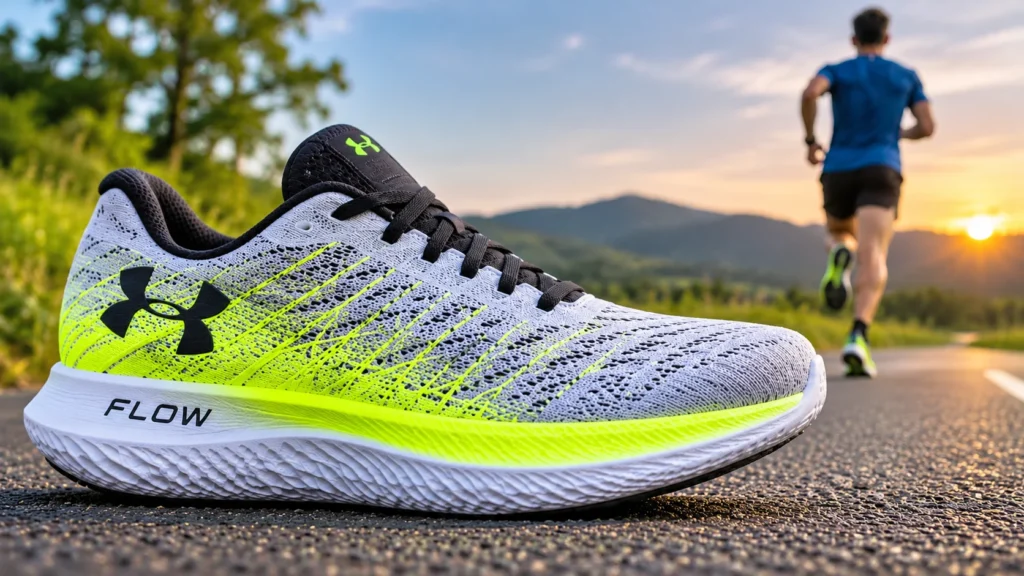
In short, the Wind 2 is best for neutral runners who favor tempo work, track sessions, and road runs at a steady pace. Its close-to-ground feel helps the shoe feel quick when you pick up speed. It does not aim to deliver the thick, soft ride of a maximum-cushion trainer.
Under Armour built this road shoe around its Flow platform. The foam works as both midsole and outer contact surface. Without a separate rubber layer, the shoe has fewer parts underfoot. That helps keep the package light and gives it a smooth transition.
The Warp upper adds firm foot hold. The Tatami Stitch Heel adds a more secure rear fit. Together, those parts target runners who want controlled movement during turns and faster strides.
For example, a runner might use the Wind 2 for a 20-minute tempo segment. That workout calls for a stable fit and easy pace changes. It asks less of the shoe’s softness than a slow two-hour run would.
Under Armour describes the model as a neutral shoe. Neutral does not mean it suits every foot shape. Runners who notice strong outer-foot pressure can first review our underpronation in running guide. A gait pattern alone does not prove which shoe you need.
Pros and Cons at a Glance
- Light and lively at quicker paces
- Breathable, secure Warp upper
- Good wet-pavement grip in several published tests
- Smooth and quiet ride
- Toe box can feel tight
- Forefoot feels firm to some runners
- Exposed foam wear varies with use
- Connected tracking is being retired
What Are the Full Under Armour Flow Velociti Wind 2 Specifications?
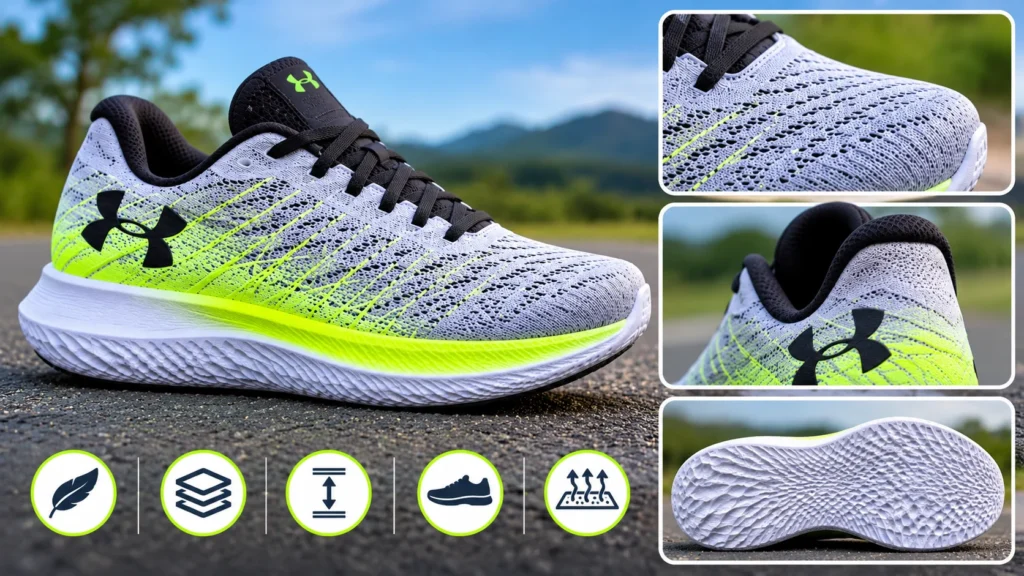
The Wind 2 combines an 8 mm heel drop, an approximately 8.35 oz men’s reference weight, and a one-piece Flow sole. Its defining feature is the lack of a conventional rubber outsole. The rest of the design centers on light foot hold and steady road running.
| Specification | Under Armour Flow Velociti Wind 2 |
|---|---|
| Type | Neutral road running shoe |
| Men’s style number | 3024903 (other versions may use other codes) |
| Heel-to-toe drop | 8 mm |
| Men’s reference weight | 8.35 oz (about 237 g) |
| Reported stack height | 26 mm heel / 18 mm forefoot (independent review measurement) |
| Upper | UA Warp with support tapes |
| Heel | Tatami Stitch Heel, shaped heel hold |
| Underfoot foam | One-piece UA Flow |
| Traditional rubber outsole | No |
| Insole | Molded EVA sockliner |
| Laces | Standard tie |
| Original US price | $160 at launch |
| Connected-shoe feature | Former MapMyRun sensor integration; support being removed |
These figures describe a men’s reference model. Weight changes with size. Women’s models also have different listed weights. Check the model code before using any number to compare a seller’s listing.
The weight and drop come from Under Armour’s product specifications. Independent testers at Road Trail Run reported the stack figures. Stack data can differ between a lab measurement and a manufacturer’s reference.
How Does the Flow Midsole Feel While Running?
The Flow midsole feels firm, smooth, and responsive rather than plush. It works well when you hold a steady pace or speed up. If you want a deep, sinking cushion for easy days, this design may feel too direct.
Most running shoes place rubber below the cushioning foam. The Wind 2 leaves that extra layer out. Its foam touches the ground through a patterned contact surface. This design reduces material while keeping a continuous underfoot feel.
Independent tests describe a quiet ride with little harsh slapping. Several reviewers found the shoe easy to move through each stride. The foam offers a controlled response, not the springy feel of a tall race shoe.
That difference matters on a workout like six 400-meter repeats. A runner may value quick turnover more than soft landings. The Wind 2 puts the emphasis on secure contact and smooth motion.
The 26 mm heel and 18 mm forefoot stack reported by testers also explain the feel. There is less foam under the front foot than in a high-stack shoe. Runners who land hard on the forefoot can notice that during slower or longer runs.
Don’t assume a lower stack makes the shoe safer or faster for everyone. Comfort, stride, and training load still matter. A sensible first run is short enough to judge how your calves and feet respond.
Does the Warp Upper Make the Wind 2 Comfortable?
The Warp upper gives the Wind 2 secure hold and strong airflow, but the fit can feel snug. Thin support tapes help keep the foot aligned over the platform. That structure suits quick movement better than a relaxed, roomy fit.
The upper is not a thick padded shell. It uses light mesh with visible lines that support the foot. The result is a flexible upper with targeted support where the foot needs to stay in place.
The second Wind adds a Tatami Stitch Heel. Under Armour says that design improves heel hold. The updated molded EVA sockliner also adds comfort underfoot. Those changes focus on fit instead of rebuilding the entire midsole.
Independent testers liked the heel security. Several also described pressure around the front of the shoe. That is why good heel hold does not guarantee good toe comfort. A shoe can lock your heel in place while still pinching your forefoot.
Try the shoe with the socks you plan to run in. Walk first, then jog and change pace. Your toes should have room to spread without sliding. A tighter race-like feel is not a reason to accept numbness or pain.
How Does the Wind 2 Perform for Different Runs?
The Wind 2 is most convincing for faster road sessions, track work, and treadmill running. It can also handle moderate runs for athletes who like a firmer shoe. Its limits become more apparent on slow long runs and uneven trails.
Is the Wind 2 good for tempo and interval training?
Yes. Tempo runs and intervals are the Wind 2’s clearest strengths. The lightweight design and close foot hold make pace changes feel natural. Independent reviewers repeatedly praised its smooth transition during faster efforts.
A runner training for a 5K could use it for short repeats or a steady threshold block. Those sessions reward predictable landings. They do not demand the same plush cushion as a slow recovery day.
Can you use the Wind 2 for easy daily miles?
Yes, but the feel depends on your cushion preference. Some reviewers enjoyed the Wind 2 at easy speeds. Others thought the forefoot felt too firm. The shoe is not limited to hard workouts, yet it is not a universal daily trainer.
Begin with a comfortable, short route. If your legs feel fresh the next day, add distance slowly. New runners who need different shoes for each workout can check our beginner running shoe rotation guide before buying extra pairs.
Is the Wind 2 suitable for long runs?
It can handle longer runs for runners who already like moderate cushioning. That does not make it a plush long-distance shoe. Reviewers differ on how comfortable it remains once distance rises.
If your feet grow sore in firm shoes, choose a more cushioned option. Training for a half marathon does not require maximum foam, but the pair must feel comfortable late in the session.
How does the Wind 2 work on treadmills?
It is a strong treadmill option for runners who like a light, stable feel. The flat, even surface lets the Flow sole work without stones or sharp trail debris. The secure upper also helps during changing speeds.
Do not buy it for automatic shoe-to-app treadmill data. The old connected system no longer has official support. Use the treadmill display, a watch, or the app’s regular workout tools instead.
Does the Rubber-Free Outsole Have Enough Grip and Durability?
The Wind 2 can grip wet and dry pavement well, but long-term wear deserves attention. Those are two separate questions. Good traction does not prove a sole will resist every rough surface for the same number of miles.
Under Armour uses the outer face of its Flow foam as the contact layer. The patterned surface is built to grip without bonded rubber. Several road reviewers reported solid grip on wet pavement. Some even found it better than expected.
Wear reports are less uniform. Some testers saw little early damage. Others noted faster wear around high-contact spots. Runner weight, stride, road texture, and total mileage can change the result. There is no verified universal lifespan for this model.
For a rainy city road, grip reports are encouraging. For rocky dirt paths, a shoe with a more protective outsole is safer to choose. The Wind 2 is a road runner, not a trail shoe with lugs and a rock plate.
Inspect the contact surface after each few runs. Look for smooth, worn patches and uneven heel wear. Our running shoe cushioning wear guide explains why loss of comfort matters as much as visible tread wear.
Surface warning: Rubber-free does not mean slip-proof. Wet painted lines, oily pavement, ice, and loose gravel can still be unsafe. Use a trail shoe for rough trails and a weather-ready outsole for winter conditions.
Does the Under Armour Flow Velociti Wind 2 Run True to Size?
Many runners can start with their regular running-shoe size, but wide feet need extra care. Reports often describe a snug front fit. A true-to-size length can still feel too narrow across the toes.
Testers at Road Trail Run did not all agree on sizing. Some stayed with their usual size, while another preferred sizing up. That range shows why a simple size rule cannot replace a fit check.
Leave a small space in front of your longest toe. Make sure the sides do not squeeze your foot. Check your heel while jogging, too. The updated heel should feel secure without pressing hard against the Achilles area.
A runner with normal-width feet may enjoy the precise upper. Someone with bunions or a wide forefoot may need a wider last. Choosing a longer size to solve a width problem can make the heel loose.
If you are buying an older model online, confirm returns first. Our buying running shoes online guide covers fit checks that matter before you remove the tags.
Does the Wind 2 Still Connect to MapMyRun?
Do not buy the Wind 2 for its connected-shoe features. The hardware was once able to send running data to MapMyRun. Official support ended on March 31, 2025, and the remaining shoe connection functions are scheduled for removal by the end of 2026.
At launch, that sensor was a selling point. It could track shoe-based data and help runners review cadence and form. Older articles may still describe those tools as current perks. Those descriptions no longer reflect the product’s support status.
The service operator says some links may continue working for a time. It also warns that aging sensor batteries can fail. By the end of the announced phaseout, shoe-specific data and coaching functions will no longer sync.
Normal phone-based GPS workout tracking is different. MapMy states that workouts started in its app will still track through the phone. Past synced workouts will remain visible in the account.
Read the current MapMy connected footwear retirement notice before treating a used pair as a smart shoe. Its sensor is a historical feature, not a sound reason to pay more now.
Battery safety: Under Armour warns that the connected-shoe design contains a small lithium coin battery. Never cut the shoe open to reach it. Keep damaged sensor parts away from children. Seek urgent medical help if a coin battery is swallowed.
How Is the Wind 2 Different From the Original Flow Velociti Wind?
The Wind 2 changes the fit more than the ride. Under Armour kept the Flow sole concept and the 8 mm drop. The main updates include rear-foot hold, upper details, and sockliner comfort.
That helps explain why some reviewers liked the update while others found it minor. If the first Wind already fit you well, the second model does not bring an entirely new ride. It refines a familiar design instead.
The Tatami Stitch Heel is the most practical change. A more secure heel can help if your foot slips during turns or faster runs. The molded EVA sockliner also offers a comfort update without turning the shoe into a soft recovery model.
Both versions used the Flow approach to reduce weight. Both also targeted neutral road running. The biggest buying factor today is less about model age and more about condition, fit, and a trustworthy price.
Do not buy the Wind 2 over the original solely for sensor tracking. That feature is on the way out for both. Choose the pair that fits better and shows less wear, if both are genuine and in good condition.
Is the Flow Velociti Wind 2 Worth Its Price Now?
The Wind 2 makes the most sense at a meaningful discount from its original $160 US price. Its main strengths remain useful. But buyers should not pay a premium for aging inventory or discontinued connected features.
The $160 figure is the verified launch retail price, not a verified current Amazon price. Listings can change by size, color, region, and seller. Some pages may show a high price because stock is scarce. Scarcity does not make an old running shoe better.
Check whether the seller lists a new, authentic product. Confirm the return policy and look for a clear photo of the actual color and style code. Shoes stored for years can also have aged materials even when the tread looks unused.
It is worth comparing the asking price with a newer neutral trainer. A modern shoe with fresh stock, reliable returns, and a more comfortable fit may offer better value, even if its listed price is higher.
For runners wanting more soft daily mileage, the HOKA Clifton 9 review explores a different cushioning approach. The right choice depends on your runs, not a single brand name.
Amazon buying note: No exact US Amazon product listing, live price, or review count was verified for this article. The shopping link opens Amazon search results, not a claimed in-stock product page. Confirm the model and seller before ordering.
What Do Independent Running Reviewers Say About the Wind 2?
Reviewers broadly agree that the Wind 2 offers good foot hold and a smooth, quick ride. They disagree more on how much cushioning is enough and how well the exposed foam will last.
TechRadar found the updated heel more secure and the shoe useful for tempo efforts. Its review also noted that the second version felt close to the first. That makes this an upgrade in details, not a full redesign.
Road Trail Run’s group of testers liked the breathable Warp upper. Several praised its heel hold and quiet ride. Their views on toe space and firmness differed, which fits the shoe’s snug, performance-led shape.
That Fit Friend favored the shoe for track training, quick efforts, and short road runs. The reviewer raised concerns about wider feet and daily wear. Other testers found no early traction issue on wet streets.
These are published tester views, not a survey of verified Amazon buyers. A dependable live Amazon rating and review total were unavailable. It would be misleading to invent a star score or claim that thousands of buyers share one opinion.
For a detailed breakdown from multiple runners, consult Road Trail Run’s independent testing. It offers useful contrast between different foot shapes and running preferences.
How Should You Care for the Flow Velociti Wind 2?
Clean the Wind 2 gently and keep rough abrasion to a minimum. The Flow foam is the ground-contact surface. That makes checking sole wear a smart habit, especially after fast sessions on coarse roads.
Brush loose grit from the grooves with a soft brush. Use a damp cloth and mild soap for visible dirt. Avoid strong solvents, bleach, and hard scraping. Let the shoes air-dry away from heaters or direct high heat.
Remove the insoles to help moisture escape after wet runs. Do not put the shoes in a dryer. That can stress adhesives and change the shape of the upper. If a pair feels flat or uneven, cleaning will not restore worn foam.
Rotate pairs when you can. That also gives damp shoes time to dry. Track changes in comfort rather than relying on one fixed mileage number. A smooth heel patch, new foot soreness, or uneven wear can signal that replacement time is near.
Who Should Buy the Wind 2, and Who Should Skip It?
Buy the Wind 2 if you value a close, secure, light running feel. Skip it if softness, a wide toe box, rugged grip, or app-based shoe coaching sits at the top of your list. Those needs deserve a different design.
Good fit for
- Neutral runners with narrow or regular-width feet
- Tempo, interval, and track workouts
- Runners who prefer firm, controlled cushioning
- Someone finding a genuine pair at a strong discount
Better to skip
- Wide-foot runners who feel toe pressure
- Anyone wanting plush recovery mileage
- Trail runners needing rock and mud protection
- Buyers seeking long-term connected-shoe support
A beginner can wear the Wind 2 if it feels comfortable during a proper try-on. Yet beginners do not need a firm speed shoe to start running. A forgiving daily trainer can be simpler when most workouts are easy.
For high-mileage runners, the Wind 2 works better as a second pair than a required only pair. A shoe rotation lets you keep one model for speed and another for relaxed distance. That is a useful choice, not a rule.
Final Verdict: Is the Under Armour Flow Velociti Wind 2 Still Worth Buying?
Yes, for the right runner and price. The Under Armour Flow Velociti Wind 2 remains a capable neutral shoe for tempo work and shorter road runs. Its responsive one-piece foam, breathable Warp upper, and secure heel explain its appeal. It is not the best fit for everyone.
Its flaws matter just as much. Some feet will feel squeezed up front. The moderate cushioning is not ideal for runners who want a soft landing. Outsole wear depends on where and how you run. Most importantly, the smart-shoe feature no longer deserves a price premium.
I would choose the Wind 2 only after checking the fit, seller, and condition. If it costs close to a newer, more suitable model, the newer shoe is easier to justify. If you find a genuine discount and enjoy a firmer ride, this older design still makes sense.
Check Wind 2 Listings on Amazon
Frequently Asked Questions
Is the Under Armour Flow Velociti Wind 2 good for long-distance running?
It can work for longer road runs if you enjoy a firm, moderate cushion. However, it does not offer the soft forefoot feel found in many high-stack trainers. Try shorter runs first. If your feet feel sore late in a workout, choose a more cushioned shoe.
Does the Flow Velociti Wind 2 have a rubber outsole?
No. Under Armour uses a one-piece Flow foam system that acts as both the midsole and ground-contact surface. The design helps keep the shoe light and smooth. Independent testers reported good road grip, but wear can vary with surface, mileage, and individual running form.
Is the Under Armour Flow Velociti Wind 2 true to size?
Many testers found the length close to their normal running size, but the toe box can feel narrow. Some runners preferred more room. Check both width and length rather than ordering by the number alone. A good heel hold should not come with squeezed or numb toes.
Can the Wind 2 still connect to UA MapMyRun?
Official connected-footwear support ended in March 2025, and remaining shoe-based functions are being removed by the end of 2026. Some old connections may still work temporarily. Do not count on sensor data, coaching, or syncing when buying now. Regular phone GPS workout tracking remains separate.
Is the original Flow Velociti Wind better than the Wind 2?
The Wind 2 has a refined heel and sockliner, but it keeps much of the original shoe’s ride. Neither model is an automatic winner for all feet. If you can try both, choose the better fit and condition. A lower price matters more than a minor design update.
Affiliate Disclosure: As an Amazon Associate, I earn from qualifying purchases. If you click a link on this page and make a purchase, I may receive a small commission — at no extra cost to you. I only recommend products I genuinely believe will help you. This helps keep the site free and running. Thank you for your support.