

Quick Answer
The Brooks Glycerin Max 2 is the smarter buy when its sale price matches or beats the original. Both have DNA TUNED foam and a 6 mm stated drop. The Max 2 adds a redesigned upper and firmer, more guided ride. Choose the original if softer landings matter more to you.
What changes most between the two Glycerin Max shoes?
- Max 2: redesigned triple-jacquard mesh and a more assertive rolling transition.
- Original Max: softer, more forgiving underfoot feel during relaxed road miles.
- Both: 6 mm claimed drop, thick DNA TUNED foam, and GlideRoll Rocker.
Quick Verdict — Glycerin Max 2 vs Original Max
Glycerin Max 2
Editorial assessment, not a customer rating
$129.95 (selected Brooks.com colorway; list $200)
Best for
Easy miles, steady walking, and runners who like a firmer rolling feel.
Original Glycerin Max
Editorial assessment, not a customer rating
$149.95 (selected Brooks.com colorway; list $200)
Best for
Recovery runners seeking the softer, more relaxed original ride.
| Category | Max 2 | Original |
|---|---|---|
| Overall buy at listed sale prices | 🏆 | — |
| Best current listed value | ✅ | ❌ |
| Softer easy-run feel | ❌ | ✅ |
| More secure redesigned upper | ✅ | ❌ |
| Lighter listed weight | ❌ | ✅ |
Bottom line: The Max 2 wins for shoppers getting the lower listed sale price and a snugger upper; buy the original for its softer ride if you find the right size and a better deal.
Price check: selected U.S. Brooks.com listings, not live Amazon quotes. Sales, colors, sizes, and stock change. Affiliate listing IDs were cross-checked with third-party product records; confirm the model and color after opening Amazon.
- The Max 2 improves the upper while retaining DNA TUNED foam.
- The checked Brooks listings show a $20 advantage for the Max 2.
- The Max 2 suits runners who want firmer guidance on long, easy roads.
- The original remains appealing for its softer ride and lower listed weight.
- Neither shoe is designed primarily for fast intervals or technical trails.
Shopping for the Brooks Glycerin Max 2 can feel confusing. The original already offers deep cushioning. The second version looks familiar and uses the same main foam technology.
I’m Steven Tyler, the footwear researcher behind FootwearHiker. This comparison uses Brooks’ published specifications and independent testing. I have not conducted a controlled wear test of both pairs.
That distinction matters. A brand claim describes a design goal. A measured test or a runner’s experience tells a different part of the story. Here is where the upgrades help, and where they do not.
What Is the Brooks Glycerin Max 2 Designed to Do?
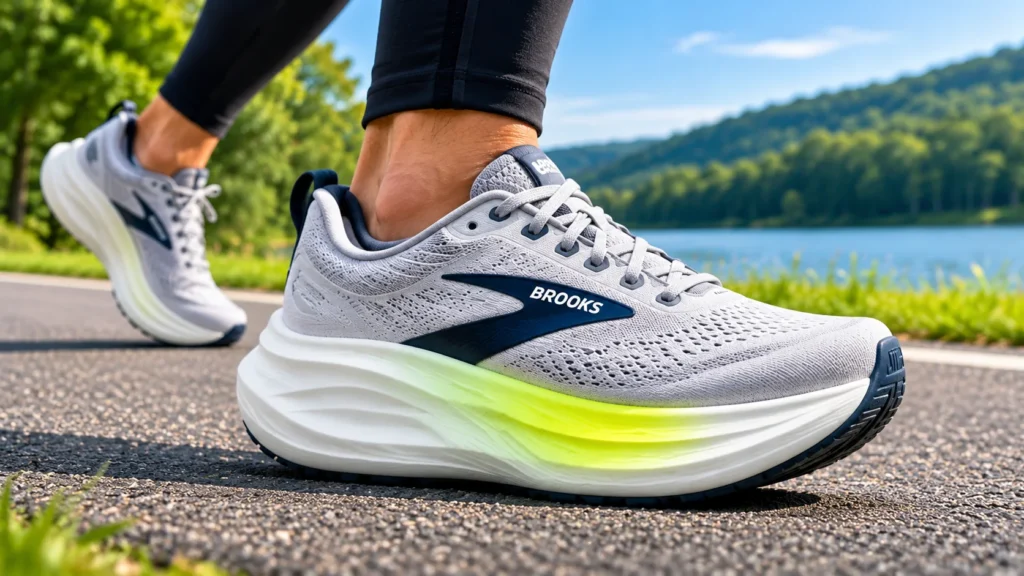
Quick verdict: A tall, neutral road trainer for cushioned walking, recovery runs, and relaxed long miles. Its upper and guided rocker are the key reasons to try it.
The Brooks Glycerin Max 2 places thick cushioning below the foot to soften repetitive road impacts. Its nitrogen-infused DNA TUNED midsole uses larger foam cells at the heel. Smaller cells beneath the forefoot help with toe-off.
A GlideRoll Rocker curves the sole to guide movement from landing to push-off. This matters because high-stack shoes rarely flex like thinner trainers. The rocker does some of the rolling work instead.
The new triple-jacquard air-mesh upper is the clearest visible update. Brooks says it gives a closer, more refined hold. Independent reviews describe a plush fit, though some note warmth and bulk.
Brooks lists the Max 2 at 11.3 oz (320.3 g) for the men’s version shown. Its stated drop is 6 mm. The stack is about 45 mm at the heel and 39 mm at the forefoot, based on published brand measurements reported by independent laboratories.
- Deep cushioning for hard roads
- Secure, padded upper
- Rocker helps heel-to-toe motion
- Good fit for relaxed daily mileage
- Heavy for a daily trainer
- High sole feels rigid
- Can feel warm
- Limited width choice
Best for cushioned easy runs and walking. Check the exact size, color, and seller before purchasing. Amazon pricing was not independently verified.
What Is the Original Brooks Glycerin Max Best For?
Quick verdict: The first Glycerin Max remains a strong recovery shoe. It gives many runners a softer feel than the Max 2, with less listed weight.
The original Brooks Glycerin Max introduced DNA TUNED cushioning to this line. It also uses GlideRoll Rocker shaping. Like the newer shoe, it is meant for comfort over speed.
Its big strength is a gentle ride during slow and moderate road sessions. Independent side-by-side testing describes the original as more forgiving underfoot. Some runners also enjoy its smoother, less forceful roll.
The stated 6 mm drop matches the Max 2. Brooks lists the original men’s model at 10.5 oz (297.7 g). That is 0.8 oz lighter than the newer listing, although real weights vary with size.
There is a catch. The older upper lacks the Max 2’s redesigned triple-jacquard mesh. Stock can also be uneven. A discount has little value when the only remaining pair fits poorly.
- Softer, relaxed ride
- High cushioning for recovery days
- Lighter listed weight
- Same core DNA TUNED technology
- Less refined older upper
- Large, bulky sole
- Not a fast workout shoe
- Older colors and sizes may disappear
Best for those who prefer the softer original experience. Verify model number 110447 rather than 110479 before you order.
How Do the Glycerin Max 2 and Original Specs Compare?
Both shoes share a neutral road-running purpose, premium foam, and the stated 6 mm drop. The main differences are upper construction, ride tuning, and weight. Those changes influence comfort more than the model number suggests.
| Feature | Glycerin Max 2 | Original Glycerin Max | Advantage |
|---|---|---|---|
| Model family | 110479 | 110447 | Identification |
| Midsole | DNA TUNED | DNA TUNED | Tie |
| Rocker | GlideRoll, more guided feel | GlideRoll, gentler feel | Preference |
| Stated drop | 6 mm | 6 mm | Tie |
| Published stack | Approx. 45 / 39 mm | Approx. 45 / 39 mm | Tie |
| Men’s listed weight | 11.3 oz / 320.3 g | 10.5 oz / 297.7 g | Original |
| Upper | Triple-jacquard air mesh | Earlier engineered upper | Max 2 |
| Plate | None | None | Tie |
| List price | $200 | $200 | Tie |
| Checked Brooks sale listing | $129.95 | $149.95 | Max 2 by $20 |
Manufacturer figures come from selected U.S. product listings. Independent lab stack measurements can differ because testing methods vary. Prices are examples, not guaranteed offers.
Which Glycerin Max Has Better Cushioning for Long Runs?
The original feels softer in independent comparisons. The Max 2 feels slightly firmer and more directed. Neither is a low-cushion shoe, and both provide plenty of material beneath your feet.
Here is the subtle point: more foam does not always create more bounce. Cushioning reduces the sharp feel of impact. Energy return describes how much stored energy the foam gives back after compression.
RunRepeat measured 45.4 mm at the Max 2 heel and 37.3 mm at the forefoot. Its lab also found limited energy return compared with lighter, more responsive trainers. These are RunRepeat’s tests, not mine.
If your long run stays at an easy pace, the Max 2 still makes sense. Its thick platform reduces ground feel. Its stiff rocker can also help you move through each step without bending the forefoot much.
If you seek a softer landing above all else, try the original first. The broader lesson appears in our soft versus firm running guide: the softest shoe is not automatically the best shoe for every runner.
Which Shoe Fits Better and Feels More Secure?
The Max 2 wins for upper design on paper. Brooks introduced triple-jacquard air mesh to improve the hold around the foot. The original uses an earlier upper with a less refined feel.
A snug upper matters when a sole stands this tall. The foot should not slide across the footbed during turns. Secure lacing can also reduce heel movement on inclines.
However, a firmer hold is not always comfortable. RunRepeat measured the Max 2 toe box at 96.5 mm in width. It also found just 24.0 mm of vertical toe space in its sample. A tall big toe may meet the upper sooner than expected.
Both models can feel bulky to runners who prefer thin, flexible shoes. The Max 2’s extra padding can also trap heat. An airy material name does not guarantee cool feet during humid runs.
Use our running shoe fitting checklist before you order. Stand, walk, jog, and check your longest toe. A tight upper is not a problem that you should expect to disappear.
Which Has the Smoother Rocker and More Stable Ride?
The Max 2 has the more assertive rocker, based on independent comparisons. The original rolls more gently and feels softer at landing. Your stride pattern helps decide which feels more natural.
The GlideRoll shape is especially useful because both shoes have thick, stiff soles. A rocker lets the shoe roll forward rather than bend sharply beneath your toes. It can feel smooth during consistent road miles.
The Max 2 can feel more controlled for runners who sink deeply into soft foam. RTINGS describes a firmer midsole and stronger rocker. However, a firmer ride is not the same as medical stability support.
Brooks describes the Max 2’s platform as offering maximum support. That term refers to its cushioned and guided design. Neither model has the dedicated GuideRails system found in Brooks GTS shoes.
Use caution on rocky paths, steep side slopes, and quick lateral movements. Thick soles raise the foot far above the ground. That can reduce agility even when a wide platform feels steady on pavement.
A cushioned shoe does not prevent injury or treat joint pain. If you need prescribed support, choose footwear with a qualified clinician or specialty fitter.
Which Glycerin Max Offers Better Price and Value?
The Max 2 offers better value in the selected Brooks listings checked for this review. Its $129.95 sale price is $20 below the original’s $149.95 listing. Both models have a $200 suggested list price.
Those prices apply to particular U.S. colors and sizes. They are not current Amazon quotes. Other retailers can reverse the gap, especially while older stock clears.
Use three checks before calling either deal good. First, compare the exact shoe and width. Second, add shipping and returns. Third, choose the ride you want instead of treating the lower price as the whole answer.
A new upper is worth paying for if your current shoe causes rubbing or heel slip. It has less value if your original Max already fits well. A $20 difference should not force a switch from your preferred feel.
For a second reference point, the Brooks Glycerin 22 review covers a less extreme daily trainer with the same DNA TUNED family of cushioning. It can be a sensible alternative when maximal stack height is not essential.
Which Model Handles Cold, Wet, and Daily Wear Better?
Neither model is a dedicated winter or trail shoe. Both work best on roads and other predictable, firm ground. Their tread patterns should not be treated as ice traction systems.
In cool weather, foam can feel different from its room-temperature behavior. Sock thickness also changes the fit. Test your chosen pair in the conditions where you actually run.
RunRepeat measured a wet-surface traction score of 0.51 for the Max 2 in its lab protocol. That supports reasonable grip on wet pavement under controlled testing. It does not prove safety on slick paint, ice, wet leaves, or oily surfaces.
For long work shifts, think beyond cushioning. A walking shoe must stay secure during turns and standing. The Max 2 may suit workers who like a guided, rocker-based walk. The original may feel gentler to those who prefer softer landings.
Neither shoe should replace slip-rated occupational footwear where a workplace requires it. Check employer rules and surface conditions before using running shoes at work.
Which Glycerin Max Wins for Your Actual Use Case?
The Max 2 wins for a firmer, more guided easy-run experience. The original wins for softer recovery miles. The right choice depends on your route, pace, and how your foot responds to the rocker.
| Situation | Pick | Reason |
|---|---|---|
| Slow recovery run | Original | Softer, gentler feel |
| Long, easy paved run | Max 2 | Secure upper and guided roll |
| Regular walking | Max 2 | More assertive rocker |
| Cold, clear paved roads | Fit dependent | Neither has winter-specific traction |
| Standing and walking at work | Fit dependent | Try rocker while stationary |
| Tempo intervals | Neither | Both are heavy, comfort-first shoes |
Marathon training is a good example. You could wear a Glycerin Max for easy long runs. A lighter trainer can handle the faster sessions. Our long distance running shoes guide explains how to match footwear to mileage and pace.
Who Should Buy the Max 2, the Original, or Neither?
Buy the Max 2 if its firmer roll, redesigned upper, and available deal suit you. Buy the original if you know you enjoy softer cushioning. Skip both when speed, low weight, or trail grip matters more.
- You prefer guided heel-to-toe motion.
- A snugger upper helps your fit.
- Your training is mainly easy road mileage.
- The Max 2 costs the same or less.
- You like a softer landing.
- You already know its fit works.
- You want the lighter listed model.
- You find a meaningful discount.
You need a racing shoe, a flexible gym trainer, winter traction, or dedicated stability guidance. Look at a lighter daily trainer, a trail shoe, or a suitable stability model instead.
If your current Brooks shoe feels comfortable, there is no deadline to replace it. The Max 2 improves some details but does not change the basic purpose of the line.
What Are Runners and Independent Reviewers Saying?
The overall response is mixed but easy to understand. Reviewers praise both models for deep cushioning and relaxed mileage. They disagree about whether the Max 2’s firmer ride counts as a meaningful upgrade.
Praised for thick underfoot cushioning, plush upper padding, and confident forward motion. Criticized for weight, warmth, and limited flexibility.
Praised for its gentle, smooth ride and recovery-run comfort. Criticized for bulk, limited speed appeal, and a high starting price.
These themes summarize independent publications. Amazon review counts and live ratings were not accessible for direct verification.
RTINGS finds the Max 2 firmer and more assertively rockered. Its comparison favors the original for runners seeking a softer, more forgiving ride. The Run Testers also questions whether the new version adds enough value at full price.
Brooks emphasizes a more comfortable and secure Max 2 upper. This is a useful construction change, but it does not settle every fit concern. Your toe shape and heel hold remain decisive.
For detailed measured results, consult the RTINGS head-to-head comparison and RunRepeat laboratory review. Both distinguish measurement from personal preference.
How Should You Maintain Brooks Glycerin Max Shoes?

Clean both models gently and let them air-dry. Avoid high heat, washing machines, and direct heat sources. Foam and glued parts can age faster under harsh conditions.
After a wet run, loosen the laces and remove the insoles when practical. Put the shoes in a well-ventilated room. Stuffing them with plain paper can help absorb moisture. Replace the paper when damp.
For dirt, use a soft brush and a small amount of mild soap. Wipe the mesh carefully, then rinse the cloth rather than soaking the whole shoe. Let the outsole dry before storing the pair.
Rotate pairs when you run on consecutive days. This gives moisture time to escape and lets you compare wear. Watch for uneven outsole loss, persistent pressure points, and changes in cushioning feel.
There is no universal mileage at which all shoes fail. Many runners inspect shoes more closely after several hundred miles. Our guide to running shoes worn out explains the visible clues that matter more than a fixed number.
Final Verdict: Is the Glycerin Max 2 Worth Buying?
The Brooks Glycerin Max 2 is worth buying if you want a high-cushion road shoe with a snugger upper and a firmer, more guided roll. It does not change the line’s main purpose. Both versions use DNA TUNED foam, a GlideRoll Rocker, and a stated 6 mm drop. The original remains a strong choice for runners who prefer softer, more relaxed landings. For the specific Brooks.com listings checked, the Max 2 costs $129.95 and the original costs $149.95. That $20 advantage makes the newer shoe my overall value choice at those prices. However, prices vary by color and stock. If the original appears at a lower final price and fits you better, buy it without worrying about missing a major technology leap. Neither pair is the best choice for fast track sessions, steep technical trails, or prescribed stability support.
My recommendation is simple: choose the Max 2 for guided comfort and better upper hold. Choose the original when softness matters more. Try both if possible, since neither label tells you which shape matches your foot.
Recommended for guided easy miles when its final price is competitive.
Recommended if its softer ride suits you and the price is right.
Frequently Asked Questions
Is the Brooks Glycerin Max 2 better than the original?
The Max 2 is better if you want its redesigned upper and firmer, more guided ride. It is not automatically better for everyone. The original feels softer to several independent reviewers. Both share DNA TUNED cushioning and a 6 mm stated drop, so personal fit and price should decide.
What is the biggest difference between Glycerin Max and Max 2?
The biggest visible change is the Max 2’s triple-jacquard air-mesh upper. The ride also feels more assertively rockered and slightly firmer in independent comparisons. The shoes keep the same main cushioning technology. This makes the change an update in feel and fit, rather than a completely new shoe.
Is the Glycerin Max 2 good for walking all day?
Yes, it can work well for walking if you enjoy a thick, rockered sole. The guided heel-to-toe motion may feel comfortable on predictable ground. However, its tall platform and heavy build will not suit everyone. Test it while standing and turning, not only during straight-line walking.
Can you run a marathon in Brooks Glycerin Max 2?
Yes, the Max 2 can handle long road miles and marathon training at relaxed paces. Its cushioning is designed for comfort rather than top speed. Runners chasing faster times may prefer a lighter option for races and tempo sessions. The best choice depends on fit, pace, and training needs.
Should I size up in Brooks Glycerin Max 2?
Do not size up automatically. Start with your usual Brooks running-shoe size, then check actual foot length and toe clearance. Independent testing found a standard-width toe box with limited vertical space. If the upper presses on your toes, try another size or model rather than accepting painful pressure.
Affiliate Disclosure: As an Amazon Associate, I earn from qualifying purchases. If you click a link on this page and make a purchase, I may receive a small commission — at no extra cost to you. I only recommend products I genuinely believe will help you. This helps keep the site free and running. Thank you for your support.


