

Quick Answer
The HOKA Mach 6 is the better all-round running shoe for most runners. Its lighter design and $140 original retail price offer strong value. However, the $160 HOKA Skyflow is worth buying for runners who prefer extra cushioning during easy runs, recovery sessions, and long-distance road training.
Which HOKA shoe fits your running routine?
- Mach 6 wins for speed, weight, and training versatility.
- Skyflow offers more cushioning for steady long-distance runs.
- Both shoes use responsive supercritical EVA foam.
⚡ Quick Verdict — HOKA Skyflow vs Mach 6
HOKA Skyflow
Editorial assessment
$160 (Original retail price)
✅ Best for:
Runners seeking extra cushioning for daily mileage and long runs.
HOKA Mach 6
Editorial assessment
$140 (Original retail price)
✅ Best for:
Runners wanting one lightweight shoe for daily runs and faster workouts.
| Category | Skyflow | Mach 6 |
|---|---|---|
| Overall Winner | — | 🏆 |
| Best Value | — | ✅ |
| Long-Run Cushioning | ✅ | — |
| Speed Training | — | ✅ |
| Lightweight Design | — | ✅ |
Bottom line: Mach 6 wins for versatile training and value, while Skyflow earns its premium through extra cushioning for steady mileage.
Prices are original US retail benchmarks. Current prices and stock depend on size, color, and seller.
- The Mach 6 wins overall because of its lighter, more versatile design.
- The Mach 6 originally costs $20 less than the Skyflow.
- The Skyflow suits runners who spend more time on long, steady runs.
- Both shoes feature neutral support and an advertised 5 mm drop.
- The main difference is cushioning depth rather than foam technology.
Choosing between two HOKA running shoes can feel harder than expected. Both models promise comfort, smooth transitions, and responsive cushioning.
Yet the HOKA Skyflow and HOKA Mach 6 serve different needs. One focuses on cushioned miles, while the other favors faster movement.
I’m Steven Tyler, and my focus here is helping you compare running shoes. This review draws on published specifications, independent laboratory tests, and runner feedback.
The HOKA Skyflow combines a thick foam platform with neutral support. Its design suits runners who prefer more cushioning beneath their feet.
The Mach 6 takes a lighter approach to daily road training. Its responsive midsole also handles faster sessions and short races.
Independent weight measurements reveal a noticeable difference between these two models. However, weight alone does not tell you which shoe fits better.
Your pace, foot shape, running distance, and weekly schedule all matter. So does the price you actually pay for each pair.
The real question is whether extra cushioning deserves the higher price. The answer becomes clearer when you match each shoe to your routine.
What Is the HOKA Skyflow Designed to Do?
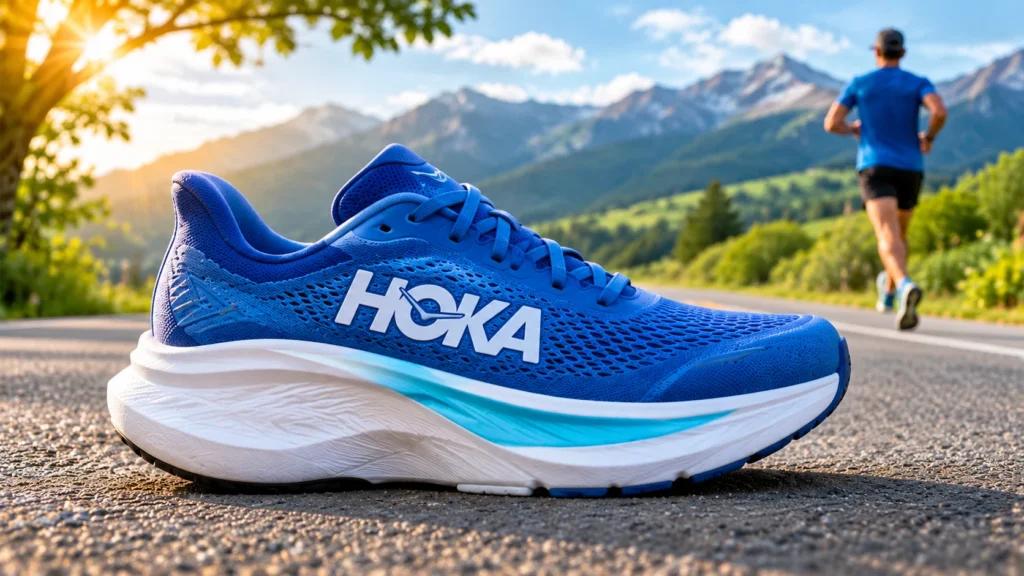
Quick Verdict — HOKA Skyflow
A cushioned neutral running shoe designed for comfortable daily mileage and longer road runs.
Best for: Daily running, long runs, and comfortable recovery mileage.
Not ideal for: Runners seeking the lightest shoe for speed sessions.
Original retail price: $160.
Scores reflect editorial assessments, not Amazon customer ratings or personal wear tests.
The HOKA Skyflow is a neutral running shoe built for cushioned road mileage. It combines a thick midsole with responsive supercritical foam.
The foam uses EVA, which stands for ethylene-vinyl acetate. HOKA shapes this material into a platform designed for smooth daily movement.
The Skyflow also features an early-stage MetaRocker and a jacquard upper. These features work together to support smooth transitions and secure foot placement.
Its advertised 5 mm drop creates a modest height difference underfoot. Independent laboratory measurements can differ from the manufacturer’s stated figure.
The shoe’s original $160 retail price places it above the Mach 6. That extra cost mainly buys a more cushioning-focused running experience.
The Skyflow makes sense when easy mileage fills most of your week. A runner planning a steady 15-kilometer outing may appreciate its design.
However, extra foam does not guarantee a softer feel for everyone. Body weight, running mechanics, and personal preferences influence perceived comfort.
- Generous cushioning platform.
- Responsive supercritical EVA foam.
- Suitable for steady long-distance runs.
- Smooth rocker geometry.
- Padded tongue and secure upper.
- Available in selected wide sizes.
- Heavier than the Mach 6.
- Higher original retail price.
- Less suited to short speed sessions.
- Fit can feel narrow.
- No dedicated stability correction.
HOKA Skyflow Road Running Shoes
A cushioned daily trainer with supercritical EVA foam, neutral support, and smooth rocker geometry.
Reference retail price: $160
Check current sizes, colors, seller details, and prices on Amazon.
What Is the HOKA Mach 6 Designed to Do?
Quick Verdict — HOKA Mach 6
A lightweight neutral running shoe built for everyday training, faster workouts, and flexible running schedules.
Best for: Daily training, tempo runs, intervals, and mixed running sessions.
Not ideal for: Runners who prefer maximum cushioning or roomy standard-width shoes.
Original retail price: $140.
Scores reflect editorial assessments, not customer ratings or personal wear tests.
The HOKA Mach 6 is a lightweight trainer built for versatile road running. Its responsive design handles both steady mileage and faster sessions.
HOKA uses supercritical EVA foam to balance cushioning with a lively ride. Unlike plated racing shoes, the Mach 6 contains no carbon plate.
Its lighter build helps runners change pace without carrying excessive shoe weight. That makes it useful for tempo sessions and short intervals.
The Mach 6 also includes targeted rubber outsole coverage for road use. Its upper aims to keep the foot secure during quicker movement.
At its original $140 retail price, it undercuts the Skyflow by $20. This price difference makes it attractive as a single-shoe training option.
Consider a runner who completes four sessions each week. Easy runs, hill repeats, and a tempo workout all fit its intended role.
The main compromise involves comfort preferences rather than basic running ability. Some runners want more cushioning during their longest and slowest sessions.
- Lightweight running shoe design.
- Responsive supercritical foam.
- Lower original retail price.
- Suitable for easy and fast runs.
- Useful for tempo workouts.
- No rigid carbon plate.
- Less cushioning depth than Skyflow.
- Standard-width fit can feel snug.
- Thin tongue offers less padding.
- Not designed for technical trails.
- No dedicated motion-control system.
🏆 EDITOR’S CHOICE
HOKA Mach 6 Road Running Shoes
A lightweight performance trainer for daily road mileage, tempo runs, and faster workouts.
Reference retail price: $140
Check current sizes, colors, seller details, and prices on Amazon.
HOKA Skyflow vs Mach 6: How Do the Specifications Compare?
In short, the Mach 6 wins on weight and reference retail price. The Skyflow offers a thicker cushioning platform for runners who prioritize comfort.
Both shoes share several important features, including neutral support and supercritical foam. Their different construction explains why they feel different during runs.
| Feature | HOKA Skyflow | HOKA Mach 6 | Winner |
|---|---|---|---|
| Men’s model | 1155111 | 1147790 | — |
| Original retail price | $160 | $140 | Mach 6 |
| Independent measured weight | 284.3 g | 233.6 g | Mach 6 |
| Advertised heel drop | 5 mm | 5 mm | Tie |
| Midsole material | Supercritical EVA | Supercritical EVA | Tie |
| Cushioning depth | Higher platform | Lower platform | Skyflow |
| Support category | Neutral | Neutral | Tie |
| Upper | Creel jacquard | Creel jacquard | Fit dependent |
| Tongue padding | Thicker padding | Thin construction | Skyflow |
| Rocker geometry | Early-stage MetaRocker | Early-stage MetaRocker | Tie |
| Carbon plate | No | No | Tie |
| Wide sizes | Selected sizes | Selected sizes | Fit dependent |
| Easy runs | Excellent intended use | Suitable | Skyflow |
| Tempo training | Occasional use | Primary strength | Mach 6 |
| Overall versatility | Comfort focused | Multiple training speeds | Mach 6 |
Weight figures come from published RTINGS laboratory measurements. They represent tested samples rather than every available shoe size.
Which Shoe Offers Better Cushioning and Long-Run Comfort?
The HOKA Skyflow wins for runners seeking extra cushioning during steady runs. Its thicker midsole provides more material between the foot and road.
That difference becomes relevant when your training involves longer periods on pavement. A cushioning-focused shoe can make steady mileage feel more comfortable.
Both models use supercritical EVA foam, but their complete designs differ. Foam thickness, sole geometry, and upper construction all shape the ride.
The Skyflow also uses a more padded tongue than the Mach 6. That padding can improve comfort beneath the laces for some runners.
Does More Cushioning Always Mean a Softer Ride?
No, a thicker midsole does not always produce a softer ride. Foam firmness, sole shape, and runner weight influence how cushioning feels.
Some runners prefer a firm but protective platform during long outings. Others want a shoe that compresses more under each step.
The Skyflow offers cushioning depth without necessarily feeling extremely soft. That distinction matters if you expect a plush, sinking sensation.
Try both shoes at your normal easy pace before making a decision. A short walk alone cannot reveal every aspect of running comfort.
Which Shoe Works Better for Recovery Runs?
The Skyflow is the stronger recovery-run choice for cushioning-focused runners. Its design supports the comfort priorities associated with slow, steady mileage.
Recovery runs should feel manageable rather than forced or unusually fast. A responsive shoe does not require you to increase your pace.
The Mach 6 remains useful when you prefer a lighter recovery shoe. Neither model guarantees faster physical recovery or prevents running injuries.
Category winner: HOKA Skyflow.
Which HOKA Shoe Performs Better During Speed Training?
The HOKA Mach 6 wins for speed training and frequent pace changes. Its lighter construction makes it better suited to tempo runs and intervals.
Independent laboratory measurements recorded the Mach 6 at 233.6 grams. The tested Skyflow weighed 284.3 grams under the same review provider.
That creates a difference of 50.7 grams per tested shoe. Across a pair, the measured difference reaches approximately 101 grams.
Lower shoe weight is useful when runners value quick foot movement. However, these figures alone cannot predict an individual runner’s finishing time.
Is the HOKA Mach 6 Good for Tempo Runs?
Yes, tempo training is one of the Mach 6’s strongest uses. Its responsive midsole and lightweight build suit sustained, faster road efforts.
For example, consider a workout containing three controlled 10-minute efforts. The Mach 6 fits the intended demands of that training session.
It also works for warm-ups and cooldowns at easier speeds. This flexibility reduces the need to carry separate shoes for one workout.
Can You Run Fast in the HOKA Skyflow?
Yes, the Skyflow can handle faster running when your workout requires it. Its foam provides responsiveness despite the heavier cushioning-focused construction.
However, the Mach 6 makes more sense for frequent short intervals. The Skyflow fits better when quicker efforts form a smaller training priority.
You can also use the Skyflow for occasional progression runs. Those sessions begin slowly and finish at a moderately faster pace.
Category winner: HOKA Mach 6.
Which Running Shoe Offers Better Value for Money?
The HOKA Mach 6 offers better value at the original retail prices. It covers more training styles while costing $20 less than the Skyflow.
The Mach 6 originally retailed for $140 in the United States. The Skyflow carried a higher reference retail price of $160.
That difference does not automatically make the Skyflow overpriced. Extra cushioning can be valuable when comfort matters more than speed.
Think about how you divide your running week between different sessions. A runner with mostly easy mileage may prefer the Skyflow’s design.
Someone mixing short runs, tempo workouts, and longer outings needs more flexibility. The Mach 6 provides that versatility at a lower starting price.
How Does Cost Per Mile Affect Your Decision?
Cost per mile helps compare running shoes beyond their purchase prices. Divide the amount paid by the distance you comfortably run in them.
For illustration, assume both shoes provide 400 miles of usable service. The following figures use that hypothetical distance, not measured shoe lifespan.
| Model | Retail Price | Cost per Mile |
|---|---|---|
| Skyflow | $160 | $0.40 |
| Mach 6 | $140 | $0.35 |
Actual shoe life depends on surfaces, running mechanics, materials, and maintenance. Replace worn shoes based on their condition rather than mileage alone.
Category winner: HOKA Mach 6 at original retail prices.
Which Shoe Has Better Durability, Fit, and Safety Features?
Neither shoe has a clear universal durability advantage for every runner. The Skyflow leads on upper padding, while both require careful fit selection.
Both shoes use rubber outsole sections suited to regular road running. Their foam and rubber constructions face repeated compression during each training session.
Durability depends partly on where your feet land during running. A runner who scuffs the outer heel may see uneven outsole wear.
Road texture also changes how quickly the exposed materials wear down. Rough concrete and sharp gravel can create different wear patterns.
Does the HOKA Skyflow Run Narrow?
The Skyflow can feel narrow for runners with broad feet. Published runner feedback also highlights differences in length and midfoot comfort.
The Mach 6 has received similar comments about its snug fit. Both models offer selected wide sizes, depending on current stock.
Do not assume that your usual HOKA size guarantees a perfect fit. Different models use different upper shapes and internal volumes.
Try running shoes while wearing your usual running socks. Leave enough room for your toes to move without allowing excessive heel movement. Consider a wide size if the standard version squeezes your forefoot.
Are Both Shoes Safe for Wet Roads?
Both shoes can handle ordinary road use, but neither prevents slipping. Wet paint, ice, leaves, and smooth tiles can reduce available grip.
Rubber outsole sections help provide contact with the road beneath you. They cannot remove the risks associated with slippery surfaces.
Reduce your pace and avoid sharp turns when the ground becomes slick. Choose dedicated footwear when running conditions demand specialized traction.
Neither shoe is a dedicated stability trainer or an ice-running shoe. Persistent foot pain, numbness, or repeated discomfort requires attention rather than continued running in poorly fitting footwear.
Category verdict: Skyflow wins for padding, but durability and safe fit depend on the individual runner.
Which Shoe Wins for Different Running Situations?
The Skyflow wins for cushioning-focused mileage, while the Mach 6 favors speed. Your training routine determines which advantage matters most.
Compare the activities you perform most often rather than rare workout types. The following situations show where each design makes practical sense.
| Running Situation | Winner | Reason |
|---|---|---|
| Long easy runs | Skyflow | Higher cushioning platform. |
| Tempo workouts | Mach 6 | Lighter performance design. |
| Recovery mileage | Skyflow | Cushioning-focused construction. |
| 5K and 10K training | Mach 6 | Handles varied training speeds. |
| Long work shifts | Skyflow, conditionally | Extra cushioning if workplace rules permit. |
| Cold-weather road runs | Condition dependent | Neither provides specialized ice traction. |
| Single-shoe training | Mach 6 | Greater training versatility. |
Which Shoe Is Better for Half-Marathon Training?
The Mach 6 suits mixed half-marathon training with frequent faster sessions. The Skyflow suits runners who prioritize cushioning during longer training runs.
A half-marathon measures approximately 21.1 kilometers from start to finish. Training for that distance often involves both easy mileage and faster efforts.
Using both shoes in a rotation can cover those different training demands. However, one comfortable pair can also meet your needs.
Which Shoe Is Better for Walking and Standing?
The Skyflow is a reasonable choice for cushioning-focused walking and standing. Its thicker midsole and padded construction prioritize underfoot and upper comfort.
Still, standing comfort depends on personal fit and workplace surface conditions. Some workers prefer the lighter feel of the Mach 6.
Neither model should replace required protective footwear in industrial settings. Check workplace rules before wearing running shoes during professional duties.
Is the HOKA Skyflow Worth the Extra $20?
The Skyflow is worth the extra $20 when you prioritize deeper cushioning. Otherwise, the Mach 6 provides greater versatility at a lower reference price.
At original retail prices, the Skyflow costs approximately 14.3 percent more. That premium reflects a different cushioning design rather than a universal upgrade.
The most expensive shoe does not always deliver the best running experience. A cheaper shoe that fits well can offer greater personal value.
Discounts also change the comparison between these older running shoe models. One color or size may cost much less than another.
If both shoes cost the same, focus on comfort and training purpose. Choose the Skyflow for cushioned mileage or Mach 6 for faster versatility.
Check seller reputation and return conditions before ordering discounted running shoes. A flexible return policy matters when trying an unfamiliar shoe model.
A poorly fitting bargain can cost more than a comfortable full-price pair. Prioritize usable comfort over the size of the advertised discount.
Who Should Buy the HOKA Skyflow or Mach 6?
Buy the Skyflow for cushioning-focused training and comfortable long road runs. Buy the Mach 6 when speed, lower weight, and versatility matter more.
Neither shoe suits every foot shape or running style equally well. Your decision should begin with fit and then consider training preferences.
Choose HOKA Skyflow
✅ Buy if:
- You prefer deeper cushioning.
- Most runs involve a steady pace.
- You train for longer distances.
- You already own a faster shoe.
- Upper padding matters to you.
❌ Skip if:
- You mainly perform speed workouts.
- Low shoe weight is essential.
- You dislike thick midsoles.
- You need dedicated stability support.
Choose HOKA Mach 6
✅ Buy if:
- You want lightweight running shoes.
- You enjoy frequent tempo workouts.
- You need one versatile trainer.
- You prefer a more direct ride.
- You want lower reference pricing.
❌ Skip if:
- You prefer extra cushioning depth.
- The upper feels too restrictive.
- You need specialized trail grip.
- You require protective work footwear.
- You require a dedicated stability shoe. Consider the HOKA Arahi or Gaviota.
- You mainly run technical trails. Explore the HOKA Speedgoat line.
- Neither model comfortably fits your foot shape.
- You need certified workplace protection or specialized winter traction.
What Are Real Buyers Saying About Both Shoes?
Published runner feedback favors the Mach 6 for its training versatility. Skyflow users often discuss cushioning, steady mileage, and long-run comfort.
However, both models receive comments about narrow or restrictive fit. These concerns deserve attention because comfort depends heavily on foot shape.
Individual feedback offers useful context without establishing a universal buyer consensus. A shoe that works for one runner can disappoint another.
Published Runner Feedback
Positive themes
- Comfortable for steady mileage.
- Responsive cushioning.
- Useful for longer training runs.
Reported concerns
- Narrow midfoot fit.
- Heavier ride during faster efforts.
- Firmness differs from expectations.
Positive themes
- Light and lively running feel.
- Works across different training speeds.
- Comfortable for many daily workouts.
Reported concerns
- Snug standard-width fit.
- Less cushioning for some runners.
- Thin tongue padding.
Feedback themes come from published running reviews and public runner discussions. Verified Amazon review data was unavailable, so no Amazon ratings or review quotations are presented.
What Can You Learn From Individual Runner Experiences?
Runner experiences show why shoe fit deserves more attention than brand loyalty. Several public discussions describe sizing challenges across both running shoe models.
One runner reported using wide versions of both shoes for better fit. Another described midfoot discomfort when wearing the Skyflow’s narrower construction.
These reports do not prove that every pair runs too narrow. Instead, they suggest trying available width options before committing to either model.
Independent reviews also show differing preferences for cushioning and running speed. That variation reinforces the value of matching shoes to personal training goals.
Read the positive reviews, but also examine the fit-related complaints carefully. Give more weight to experiences that describe similar running habits and needs.
How Was This HOKA Skyflow vs Mach 6 Comparison Researched?
This comparison uses published product specifications, independent laboratory measurements, and runner feedback. It does not claim unpublished personal testing or invented running results.
Manufacturer information establishes the intended purpose and advertised features of both shoes. Independent reviews provide additional insight into weight, construction, and performance characteristics.
RTINGS measured both models using its running shoe review methodology. Those published weight results provide a useful comparison between the tested samples.
RunRepeat also examined both shoes through laboratory testing and material inspection. Its findings help explain differences in cushioning platforms and upper construction.
Fleet Feet’s running reviews provide further context about ride preferences and responsiveness. Public running discussions add individual experiences, especially around fit.
Editorial scores reflect an assessment of value, cushioning, and intended versatility. They do not represent verified Amazon star ratings or measured performance scores.
Research references:
- RTINGS HOKA Skyflow Review
- RTINGS HOKA Mach 6 Review
- RunRepeat HOKA Skyflow laboratory review
- RunRepeat HOKA Mach 6 laboratory review
- Fleet Feet HOKA Skyflow Review
- Public runner comparison discussion
How Should You Care for HOKA Running Shoes?
Clean HOKA running shoes by hand and let them air-dry naturally. Avoid excessive heat, harsh cleaners, and unnecessary soaking of the foam.
Good shoe care helps maintain the condition of the upper and outsole. It also makes worn areas easier to inspect between running sessions.
1. Remove Dirt After Running
Use a soft brush to remove dried mud and loose dirt. Pay close attention to the outsole grooves and edges of the midsole.
Small stones can collect between rubber sections during outdoor runs. Remove them gently instead of digging into the foam with sharp tools.
2. Wash the Upper Gently
Clean the upper with a soft cloth and mild soapy water. Work on dirty areas without soaking the entire running shoe.
Avoid bleach, strong solvents, and aggressive brushes on delicate fabrics. These methods can damage the materials that help hold your foot securely.
3. Allow Shoes to Air-Dry
Let wet shoes dry naturally in a well-ventilated indoor space. Remove the insoles when possible to improve airflow inside each shoe.
Keep shoes away from heaters, tumble dryers, and intense direct heat. High temperatures can affect adhesives, foam materials, and upper construction.
4. Store Shoes in a Dry Place
Keep your Skyflow or Mach 6 in a cool, dry space. Avoid leaving damp shoes inside sealed bags for extended periods.
A ventilated shelf works well for shoes used throughout the week. Make sure each pair dries before storing it for longer periods.
5. Track Your Running Mileage
Track shoe mileage to help identify when a replacement deserves consideration. Many runners use 300 to 500 miles as a rough inspection range.
That range equals approximately 480 to 805 kilometers of running. Actual service life varies and does not follow a fixed mileage limit.
Look for uneven wear, damaged uppers, and changes in underfoot comfort. Replace shoes when their condition no longer supports comfortable, dependable use.
6. Consider Rotating Your Running Shoes
A shoe rotation lets you match different pairs to different training sessions. It also gives damp shoes more time to dry between outings.
Use the Skyflow for longer and more relaxed road mileage. Save the Mach 6 for workouts that benefit from lighter footwear.
Choose shoes according to your running session rather than a fixed rule. If the Mach 6 feels comfortable during longer runs, continue using it. You do not need two pairs simply because the shoes have different designs.
Final Verdict: Is the HOKA Skyflow Worth Buying Over Mach 6?
The HOKA Skyflow is worth buying when extra cushioning matches your needs. However, the Mach 6 remains the stronger all-round choice for mixed training.
The Mach 6 combines lower weight with a responsive, versatile running design. Its original $140 retail price also improves its overall value proposition.
The Skyflow answers a different need through its higher cushioning platform. It makes sense for runners who prefer comfortable, steady road mileage.
Neither shoe wins simply because it uses more foam or weighs less. Your running schedule determines how much value each feature delivers.
If you already own a fast trainer, the Skyflow offers useful variety. If you want one pair for different workouts, consider the Mach 6.
Remember that a good fit outweighs a small price or weight advantage. Choose the shoe that feels secure without squeezing or rubbing your feet.
BEST FOR CUSHIONING
HOKA Skyflow
Choose Skyflow for comfortable easy mileage and long-distance cushioning.
Original retail price: $160
🏆 OVERALL EDITOR’S CHOICE
HOKA Mach 6
Choose Mach 6 for lightweight performance and flexible daily training.
Original retail price: $140
Frequently Asked Questions
1. Which is better, HOKA Skyflow or Mach 6?
The HOKA Mach 6 is better for versatile training and faster workouts. The Skyflow is better for runners who prioritize cushioning during steady mileage. Both offer responsive foam and neutral support. Choose the Mach 6 for lower weight or the Skyflow for its higher cushioning platform.
2. What is the difference between HOKA Skyflow and Mach 6?
The main difference involves cushioning depth, weight, and intended running use. The Skyflow has a higher cushioning platform for comfortable daily mileage. The Mach 6 uses a lighter construction for more flexible training speeds. Their original retail prices are $160 and $140, respectively, although current prices vary.
3. Is the HOKA Skyflow good for marathon training?
Yes, the HOKA Skyflow can work well for cushioning-focused marathon training. Its midsole suits longer runs and steady weekly mileage. However, some runners prefer a lighter shoe for marathon-pace workouts. The Mach 6 offers that alternative, while the Skyflow focuses more heavily on underfoot cushioning and comfort.
4. Is the HOKA Skyflow suitable for wide feet?
The HOKA Skyflow may suit wide feet when the correct width fits comfortably. Its standard version can feel narrow for some runners. Selected wide sizes provide another option, subject to current stock. Always check toe space, midfoot pressure, and heel security before committing to a new pair.
5. Can beginners use the HOKA Mach 6?
Yes, beginners can use the HOKA Mach 6 for regular road running. Its lightweight design and responsive foam work across different training speeds. However, beginners who prefer deeper cushioning may enjoy the Skyflow more. Prioritize comfort and proper fit rather than choosing shoes based only on running experience.
Affiliate Disclosure: As an Amazon Associate, I earn from qualifying purchases. This article contains affiliate links. If you purchase through these links, I may earn a commission at no additional cost to you.


