

How to Lace Running Shoes for Wide Feet (2026)
Quick Answer To lace running shoes for wide feet, loosen the laces completely, skip or bypass eyelets where your foot
Quick Answer To lace running shoes for wide feet, loosen the laces completely, skip or bypass eyelets where your foot

Quick Answer To prevent heel slip in running shoes, try a runner’s loop (heel-lock lacing), adjust your midfoot fit, and
How to Prevent Heel Slip in Running Shoes (2026) Read More »

Quick Answer To prevent toe rubbing in running shoes, choose shoes with enough toe space, secure your heel, and wear
How to Prevent Toe Rubbing in Running Shoes (2026) Read More »

Quick Answer To lace running shoes for heel slip, use the runner’s loop, also called heel-lock lacing. This technique uses
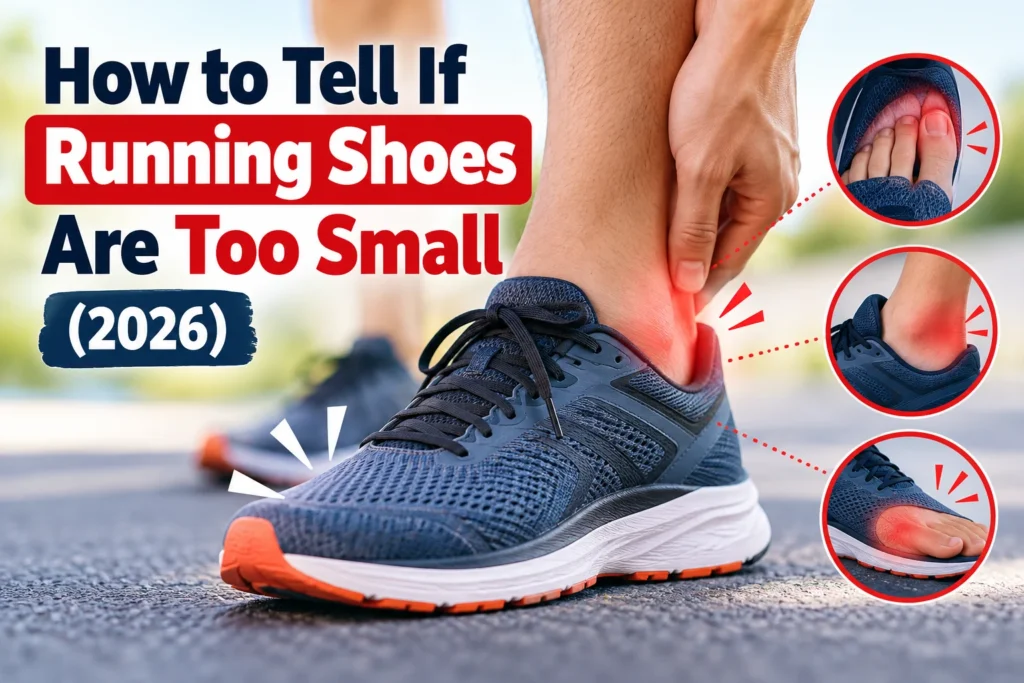
Quick Answer Your running shoes may be too small if your toes hit the front, feel cramped, or develop blisters,
How to Tell If Running Shoes Are Too Small (2026) Read More »

Quick Answer Yes, running shoes often need to be about half a size bigger than everyday shoes, but not everyone
Should Running Shoes Be a Size Bigger? (2026 Guide) Read More »

Quick Answer Running shoes should fit securely around your heel and midfoot while leaving approximately a thumb’s width of space
Quick Answer To protect running shoes from rain, clean them before applying a shoe-compatible water-repellent treatment, wear moisture-wicking socks, avoid

Quick Answer To clean trail running shoes, remove loose mud, take out the insoles and laces, gently scrub the outsoles
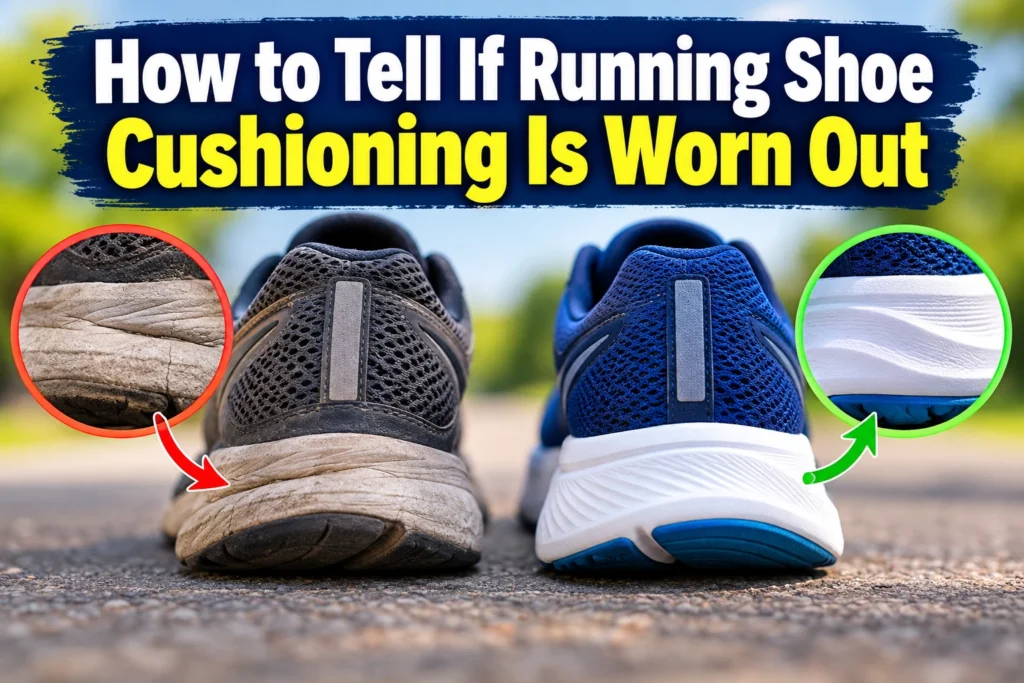
Quick Answer To tell if running shoe cushioning is worn out, check whether the midsole feels flat, firm, uneven, or
How to Tell If Running Shoe Cushioning Is Worn Out Read More »
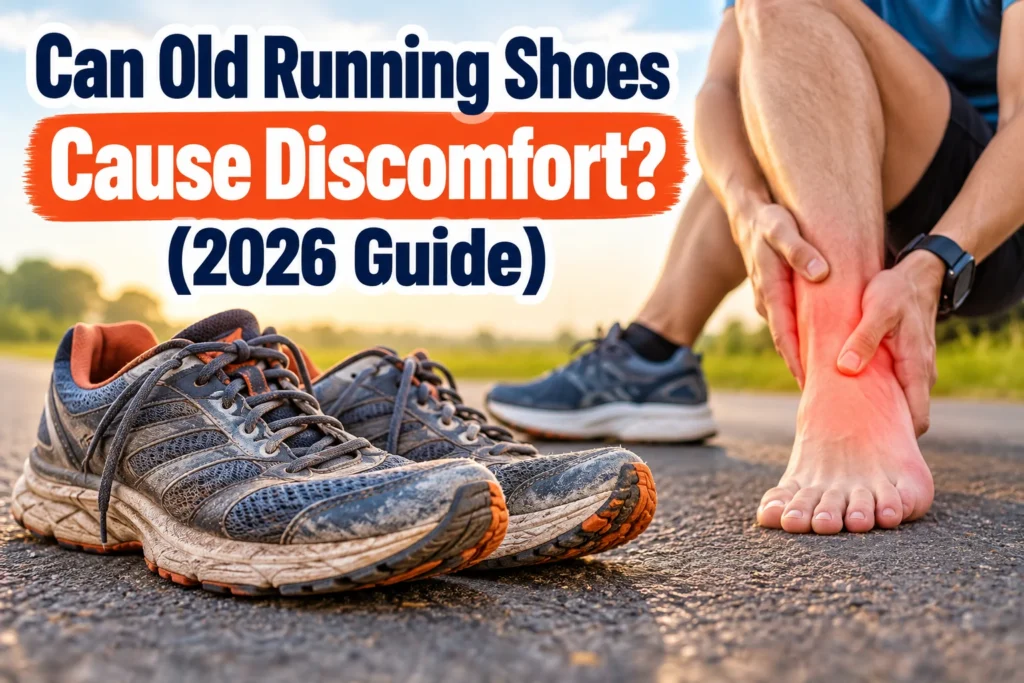
Quick Answer Yes, old running shoes can cause discomfort when their cushioning, fit, traction, or stability deteriorates. Worn-out shoes may
Can Old Running Shoes Cause Discomfort? (2026 Guide) Read More »

Quick Answer To recycle old running shoes, inspect their condition, clean off loose dirt, and find a participating shoe recycling