

Quick Answer
The Brooks Glycerin 21 is still worth buying in 2026 if you want a comfortable, well-cushioned neutral running shoe at a meaningful discount. Its nitrogen-infused DNA LOFT v3 cushioning, supportive platform, and durable road outsole make it especially appealing for easy runs, walking, and longer training sessions. However, the newer Glycerin 22 and 23 offer updated cushioning. For broader shopping advice, see our running shoe buying guide.
Five Things to Know Before Buying
- Best for: Easy road running, daily mileage, walking, and comfortable long runs.
- Cushioning: Nitrogen-infused DNA LOFT v3 foam offers a plush but controlled underfoot feel.
- Heel-to-toe drop: 10 mm, which may appeal to runners accustomed to traditional higher-drop shoes.
- Main drawback: The shoe feels less energetic during fast workouts, and the upper can run warm.
- 2026 verdict: Consider it when the price is substantially below a comparable newer Glycerin model.
Finding a running shoe that feels comfortable over several miles is more important than chasing every new release. That is why the Brooks Glycerin 21 deserves another look in 2026.
In this Brooks Glycerin 21 review, I’ll examine its cushioning, fit, durability, stability, and overall value. I’ll also compare it with newer Glycerin models to help you make a sensible buying decision.
What Is the Brooks Glycerin 21 Running Shoe?
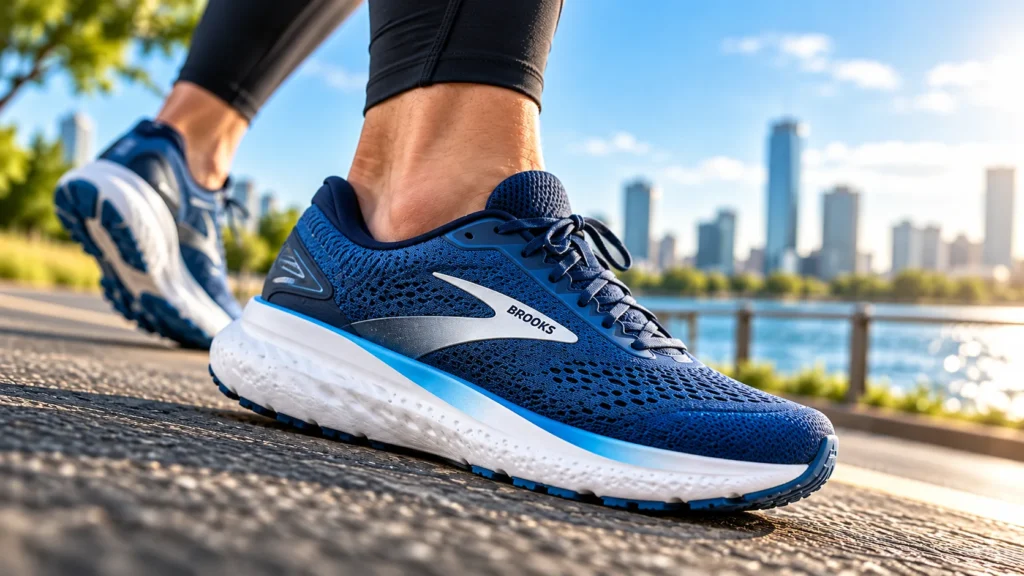
The Brooks Glycerin 21 is a premium neutral road-running shoe designed for cushioned daily training. It combines a nitrogen-infused foam midsole with a comfortable engineered knit upper and a broad platform.
A neutral running shoe does not use a dedicated corrective stability system. However, neutral shoes can still feel supportive through their geometry, upper construction, and underfoot width.
The Glycerin 21 focuses on comfort rather than racing performance. Its design suits runners who prefer consistent, controlled cushioning during routine training.
What Makes the Glycerin 21 Different?
- DNA LOFT v3 foam: Nitrogen-infused cushioning designed for soft landings.
- Additional midsole cushioning: Two millimeters more foam than the Glycerin 20.
- Warp-knit upper: Soft construction that accommodates natural foot movement.
- Broad landing platform: Helps the shoe feel controlled despite its substantial cushioning.
- RoadTack rubber: Durable outsole material for regular road use.
According to the official Brooks Glycerin 21 specifications, the shoe is designed for comfortable road running and smooth transitions.
Brooks Glycerin 21 Specifications: Weight, Drop, Cushioning, and Price
The Glycerin 21 combines a traditional heel-to-toe drop with substantial cushioning. Its specifications explain why it works better as an everyday trainer than a lightweight racing shoe.
| Specification | Brooks Glycerin 21 |
|---|---|
| Shoe category | Neutral road-running shoe |
| Midsole technology | DNA LOFT v3 |
| Heel-to-toe drop | 10 mm |
| Men’s listed weight | 9.8 oz / approximately 278 g |
| Women’s listed weight | Approximately 8.8 oz |
| Upper construction | Engineered warp knit |
| Outsole | RoadTack rubber |
| Support category | Neutral |
| Original US retail price | $160 |
| Ideal activities | Easy runs, long runs, daily training, walking |
Note: Manufacturer weights are representative figures and vary by shoe size. Retail prices and remaining stock can also vary by seller.
How Comfortable Is the Brooks Glycerin 21?
The Brooks Glycerin 21 delivers a cushioned, stable-feeling ride suited to relaxed running. Its softness comes from the midsole, while the broad platform helps maintain predictable transitions.
Comfort is the shoe’s main selling point. However, runners seeking an especially springy or lightweight sensation may find it less exciting.
Does DNA LOFT v3 Cushioning Feel Soft?
DNA LOFT v3 is Brooks’ nitrogen-infused cushioning technology. The Glycerin 21 uses it to create a cushioned landing without relying on an aggressive rocker or carbon plate.
The foam feels better suited to absorbing repeated daily impacts than producing explosive takeoffs. That distinction matters if you alternate easy runs with speed workouts.
Independent RunRepeat laboratory testing measured approximately 37.2 mm of heel stack and 26.6 mm of forefoot stack. Those measurements help explain its substantial underfoot protection.
Is the Cushioning Too Soft?
Not necessarily. The Glycerin 21 combines noticeable cushioning with a reasonably controlled platform.
Some runners will find its underfoot feel pleasantly plush. Others expecting an extremely squishy or high-rebound shoe may find the ride more traditional than anticipated.
My practical advice is to separate softness from responsiveness. A shoe can feel comfortable during a slow run without delivering strong energy return during fast running.
How Does the Shoe Feel During Longer Runs?
The Glycerin 21 is a sensible option for long, steady road runs. Its cushioning and secure construction support consistent comfort during extended training.
The best long-run shoe should remain comfortable as your feet become tired. Check for heel rubbing, forefoot pressure, and changes in comfort during your normal training distances.
Does the Brooks Glycerin 21 Fit True to Size?
The Glycerin 21 generally fits true to running-shoe size for many runners, based on published independent assessments. However, foot shape and preferred toe room can change the ideal fit.
The engineered warp-knit upper is designed to feel soft and accommodating. Its structured heel area helps secure the rearfoot without requiring an unusually tight fit.
How Does the Toe Box Fit?
The forefoot offers reasonable space for many standard-width feet. However, it is not an exceptionally wide, foot-shaped toe box.
Make sure your longest toe has enough clearance before buying. Our running shoe toe room guide explains how to check the correct fit.
Is the Glycerin 21 Good for Wide Feet?
It can work for some wide-footed runners, especially when an appropriate wide-width version is available. Width selection matters more than simply increasing the shoe length.
A regular-width upper may cause pressure around a broad forefoot. Choose the width that accommodates your foot without allowing excessive heel movement.
What About Heel Lockdown?
The Glycerin 21 has a structured heel counter designed to hold the rearfoot securely. However, some runners may find this area relatively stiff.
A runner’s-loop lacing method may improve heel security if you experience slight slipping. Stop adjusting the laces if tighter pressure creates discomfort across the top of your foot.
Is the Brooks Glycerin 21 Good for Daily Running?
Yes. Daily road running is one of the Glycerin 21’s strongest use cases.
Its cushioning, rubber coverage, and traditional ride make it suitable for predictable weekly mileage. It works especially well when comfort matters more than maximizing speed.
Which Workouts Suit the Glycerin 21?
- Easy runs: Comfortable cushioning for relaxed daily mileage.
- Recovery runs: A supportive-feeling platform for slower efforts.
- Long runs: Sustained underfoot protection for steady road running.
- Treadmill runs: A reasonable choice when cushioning and fit are priorities.
- Walking: Soft construction and a stable-feeling base for everyday movement.
Can You Use It for Tempo Runs or Racing?
You can run faster in the Glycerin 21, but speed is not its primary strength. Its cushioning prioritizes comfort instead of an aggressive, performance-focused ride.
Runners chasing faster race times may prefer a lighter workout shoe. Those running primarily for fitness may not need a separate racing model.
For selecting a versatile training shoe, explore our daily running shoe selection guide.
How Stable Is the Brooks Glycerin 21?
The Glycerin 21 is a neutral running shoe with useful inherent stability. Its broad sole provides a supportive-feeling foundation without a dedicated motion-guidance system.
This makes it different from the Glycerin GTS 21, which incorporates Brooks GuideRails support technology. The GTS version is intended for runners who prefer additional guidance.
Can Runners With Flat Feet Wear It?
Some runners with flat feet can comfortably wear the standard Glycerin 21. Flat arches alone do not automatically mean that stability footwear is necessary.
Comfort, individual movement, and support preferences matter more than a single foot-shape measurement. Our neutral vs stability running shoes comparison explains the differences.
Does the Shoe Provide Arch Support?
The Glycerin 21 provides underfoot structure through its midsole and shoe geometry. However, it does not offer the same dedicated guidance as the GTS model.
If you use orthotics, check the shoe’s internal volume and removable footbed. Read our guide to running shoe arch support before assuming additional inserts are necessary.
How Durable Is the Brooks Glycerin 21?
Durability is another important strength of the Glycerin 21. Its RoadTack rubber outsole covers high-wear areas that regularly contact pavement.
That makes it a practical candidate for runners who want one main training shoe. However, outsole durability and cushioning lifespan are not identical.
How Many Miles Can the Glycerin 21 Last?
There is no guaranteed mileage lifespan for every pair. Body weight, running surface, gait, storage conditions, and training frequency all influence wear.
Many runners use roughly 300–500 miles as a general inspection range for training shoes. However, actual replacement timing should depend on the shoe’s condition and comfort.
What Signs Indicate Replacement?
- Uneven outsole wear: The sole becomes noticeably worn or unbalanced.
- Persistent discomfort: A previously comfortable shoe begins creating recurring pressure.
- Damaged upper: Tears or weakened seams affect foot security.
- Changed cushioning: The midsole feels substantially different from when it was new.
- Reduced grip: The outsole feels unreliable on familiar surfaces.
I would judge the shoe’s condition before following an exact mileage number. A visible change in fit or comfort matters more than reaching a predetermined total.
What Are the Pros and Cons of the Brooks Glycerin 21?
The Glycerin 21 offers dependable daily-training comfort, but it is not designed for every runner. Its strengths and compromises become clearer when viewed together.
| Advantages | Disadvantages |
|---|---|
| Plush DNA LOFT v3 cushioning | Limited energetic response for faster running |
| Comfortable for easy and long runs | Not especially lightweight for speed sessions |
| Broad, stable-feeling platform | No dedicated GuideRails support |
| Durable road outsole | Not intended for technical trails |
| Soft, accommodating upper | Upper may feel warm in hot conditions |
| Potential discounted value | Older-model sizing and color availability may be limited |
Brooks Glycerin 21 vs 20 vs 22 vs 23: What’s the Difference?
The Glycerin series has evolved through changes in cushioning, upper design, and heel-to-toe drop. These differences matter when choosing between discounted older models and newer releases.
Brooks explains the transition to DNA Tuned cushioning in its Glycerin 21 vs 22 comparison. The newer Glycerin 23 continues with DNA Tuned and uses an 8 mm drop.
| Feature | Glycerin 20 | Glycerin 21 | Glycerin 22 | Glycerin 23 |
|---|---|---|---|---|
| Midsole | DNA LOFT v3 | DNA LOFT v3 | DNA Tuned | DNA Tuned |
| Drop | 10 mm | 10 mm | 10 mm | 8 mm |
| Men’s listed weight | 10.1 oz | 9.8 oz | About 10.2 oz | 10.6 oz |
| Main update | DNA LOFT v3 introduced | More cushioning, updated upper | Dual-cell DNA Tuned foam | More forefoot cushioning, 8 mm drop |
Note: Weights use published representative men’s sizes. They should not be interpreted as exact measurements across every size or width.
Is the Glycerin 21 Better Than the Glycerin 20?
For runners seeking more cushioning, the Glycerin 21 is a worthwhile refinement. It adds midsole material while reducing its listed weight compared with the Glycerin 20.
The updated upper also contributes to a more accommodating feel. However, runners already satisfied with their Glycerin 20 may not need an urgent upgrade.
Should You Buy the Glycerin 21 or 22?
The Glycerin 22 introduces DNA Tuned cushioning, which uses different cell structures in the heel and forefoot. The Glycerin 21 retains the earlier DNA LOFT v3 construction.
I would compare the final purchase prices before choosing. The 21 can offer better value at a meaningful discount, while the 22 may appeal to runners wanting updated foam technology.
Is the Glycerin 23 a Better Choice in 2026?
The Glycerin 23 is the newer option and features DNA Tuned cushioning with an 8 mm drop. Its updated geometry and upper provide another reason to compare models in person.
However, newer does not automatically mean more comfortable for every runner. Those who prefer the Glycerin 21’s 10 mm drop and familiar ride may still choose the older model.
Who Should Buy the Brooks Glycerin 21?
The Glycerin 21 is most appealing to runners who prioritize cushioning and consistent comfort. Its strengths are particularly relevant to steady road training.
Runners Most Likely to Enjoy It
- Beginner runners: Those seeking a comfortable premium daily trainer.
- Heel strikers: Runners who prefer cushioning beneath the rearfoot and a 10 mm drop.
- Long-distance runners: Those who value predictable comfort over racing responsiveness.
- Everyday walkers: People seeking a cushioned shoe for regular movement.
- Value-focused buyers: Shoppers finding the Glycerin 21 at a substantial discount.
Who Should Avoid the Glycerin 21?
- Runners wanting a lightweight, aggressive racing shoe.
- Anyone seeking a low-drop or minimalist running experience.
- Runners who strongly prefer very breathable uppers in hot weather.
- People who specifically need dedicated stability features.
- Shoppers finding newer models at nearly the same price.
How Should You Choose the Correct Brooks Glycerin 21 Size?
Choose the Glycerin 21 based on your measured running-shoe fit, not your casual shoe size alone. Check length, width, heel security, and comfort while moving.
The REI running shoe buying guide recommends measuring both feet and allowing comfortable space around the toes.
Five Steps for Checking the Fit
- Measure both feet. Use the larger foot as your starting point.
- Wear your running socks. Sock thickness affects the shoe’s internal space.
- Check toe clearance. Aim for approximately one thumb-width beyond your longest toe.
- Test the heel. The shoe should feel secure without painful pressure.
- Walk or jog briefly. Confirm that the upper does not rub or restrict your foot.
Do not assume a larger size will fix a width problem. Choose an appropriate width when the forefoot feels compressed but the shoe length is correct.
Is the Brooks Glycerin 21 Worth Buying in 2026?
Yes, the Brooks Glycerin 21 can still represent good value in 2026. Its cushioning and construction remain suitable for everyday road training, even though newer versions exist.
However, value depends heavily on the current selling price. It also depends on whether your preferred size and width are available.
When Does the Glycerin 21 Offer Good Value?
- Meaningful discount: The price is clearly lower than a comparable newer version.
- Correct sizing: Your preferred fit is available without compromise.
- Suitable training: You mainly run at easy or steady paces.
- Preferred geometry: You enjoy the traditional 10 mm drop.
- Reliable seller: The retailer provides clear condition, authenticity, and return information.
When Should You Spend More on a Newer Model?
A newer Glycerin may make more sense when its price is close to the Glycerin 21. This is especially true when you prefer updated cushioning or a different heel-to-toe drop.
I would avoid buying a poorly fitting older model simply because it is discounted. Comfortable sizing remains more important than the apparent savings.
Recommended Brooks Running Shoes to Compare
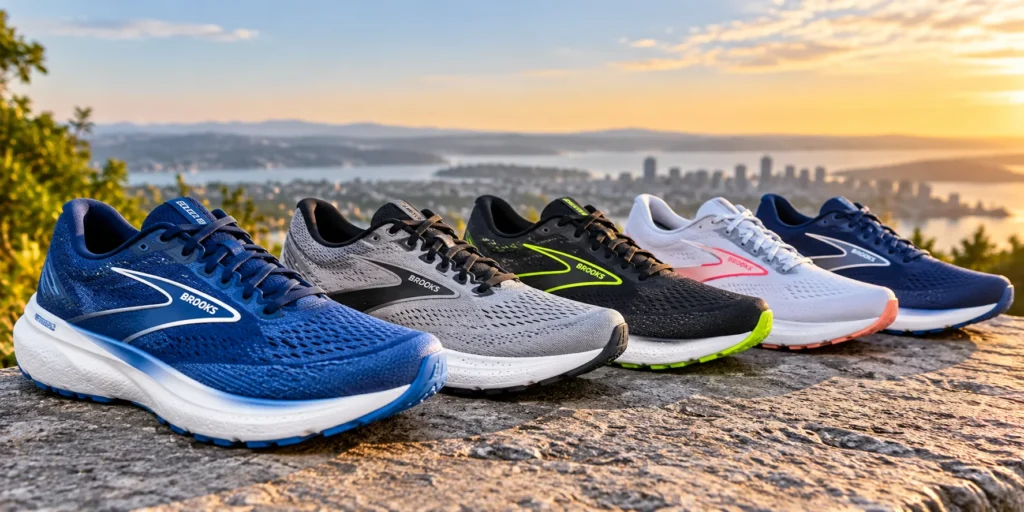
If you are considering the Glycerin 21, these three models provide useful alternatives. Each addresses a different priority within Brooks’ road-running lineup.
Affiliate disclosure: As an Amazon Associate, we may earn from qualifying purchases. The scores below are editorial assessments of feature suitability, not firsthand wear-test results or verified customer ratings.
🏆 Best Discounted Neutral Trainer
Brooks Glycerin 21
★★★★☆ 4/5 Editorial Score
DNA LOFT v3 cushioning, a 10 mm drop, and a durable road outsole make this a comfortable everyday option. I would shortlist it for easy training when the discount is substantial and the fit is right.
🛡️ Best for Added Support
Brooks Glycerin GTS 21
★★★★☆ 4/5 Editorial Score
This model combines DNA LOFT v3 cushioning with Brooks GuideRails support and a 10 mm drop. I would compare it with the standard Glycerin when additional movement guidance feels helpful.
☁️ Best Newer Glycerin Option
Brooks Glycerin 23
★★★★½ 4.5/5 Editorial Score
The Glycerin 23 features DNA Tuned cushioning, an 8 mm drop, and an updated knit upper. I would consider it when current technology and available sizing matter more than obtaining the lowest purchase price.
Product availability and retailer pricing can change. Always confirm the exact model, size, width, and seller before purchasing.
Frequently Asked Questions About the Brooks Glycerin 21
Is the Brooks Glycerin 21 Good for Beginners?
Yes. The Glycerin 21 can be a comfortable option for beginners who prefer cushioned neutral running shoes. Its broad platform and traditional ride suit many easy training routines, although proper sizing and individual comfort remain more important than the model’s premium positioning.
Is the Brooks Glycerin 21 Good for Walking?
Yes. Its cushioned midsole and stable-feeling construction can make the Glycerin 21 comfortable for everyday walking. However, personal fit matters, and a running shoe is not automatically the best choice for every workplace, surface, or individual foot condition.
Is the Brooks Glycerin 21 Good for Marathon Training?
Yes. The Glycerin 21 is suitable for easy and longer road runs during marathon preparation. Runners seeking faster interval performance may prefer a second, lighter training shoe, while runners focused on comfortable completion may find the Glycerin sufficient for much of their training.
Does the Brooks Glycerin 21 Have Good Arch Support?
The Glycerin 21 provides a comfortable underfoot platform without dedicated corrective stability features. Some runners will find its inherent support sufficient, while others may prefer the GTS version or individually selected orthotics. Arch height alone should not determine the choice.
Should I Buy the Brooks Glycerin 21 or 23?
Choose the Glycerin 21 when its lower price, comfortable fit, and 10 mm drop suit your needs. Consider the Glycerin 23 if you prefer newer DNA Tuned cushioning, an 8 mm drop, or better current size availability. Neither model guarantees a better fit for every runner.
Final Verdict: Is the Brooks Glycerin 21 Still Worth It?
The Brooks Glycerin 21 remains a capable neutral daily trainer in 2026. Its cushioning, sturdy road construction, and comfortable design continue to make sense for easy running, long runs, and walking.
Its limitations are equally important. The ride is not especially energetic, the upper may feel warm, and newer Glycerin models offer updated cushioning technologies.
My final recommendation: Buy the Glycerin 21 if it fits comfortably and costs meaningfully less than a suitable newer model. Otherwise, compare the Glycerin 22 and 23 before deciding.
Prioritize the fit and ride that suit your regular training. A comfortable older running shoe can still be a better purchase than a newer model that does not work for your feet.