

Quick Answer
The Brooks Adrenaline GTS 23 is still a solid stability running shoe in 2026, especially if you find a substantial discount. Its GuideRails support system, DNA LOFT v2 cushioning, and secure upper make it suitable for easy runs, daily training, and walking. However, newer Adrenaline models offer updated cushioning and platform designs. If you’re comparing shoes for extra support, our neutral vs. stability running shoes guide explains the main differences.
Four reasons to consider the GTS 23
- Reliable stability: GuideRails help manage excessive movement without relying entirely on traditional rigid support.
- Balanced cushioning: DNA LOFT v2 offers a comfortable, controlled feel for everyday mileage.
- Secure fit: Engineered mesh, a padded heel collar, and multiple width options accommodate different feet.
- Potential value: Older inventory may cost less than newer stability trainers.
My buying recommendation
- Buy it: If you prefer a supportive, traditional daily trainer and find a good discount in your exact size.
- Compare newer models: If softer cushioning, a lower heel drop, or updated construction matters more than saving money.
Choosing a running shoe becomes harder when an older, trusted model competes with newer technology. The Brooks Adrenaline GTS 23 remains interesting because its fundamentals are still relevant.
In this Brooks Adrenaline GTS 23 review, I’ll examine its design, fit, cushioning, stability, durability, and value. This is a research-based assessment using published specifications and independent testing, not a claim of personally testing the shoe.
What Is the Brooks Adrenaline GTS 23 Running Shoe?
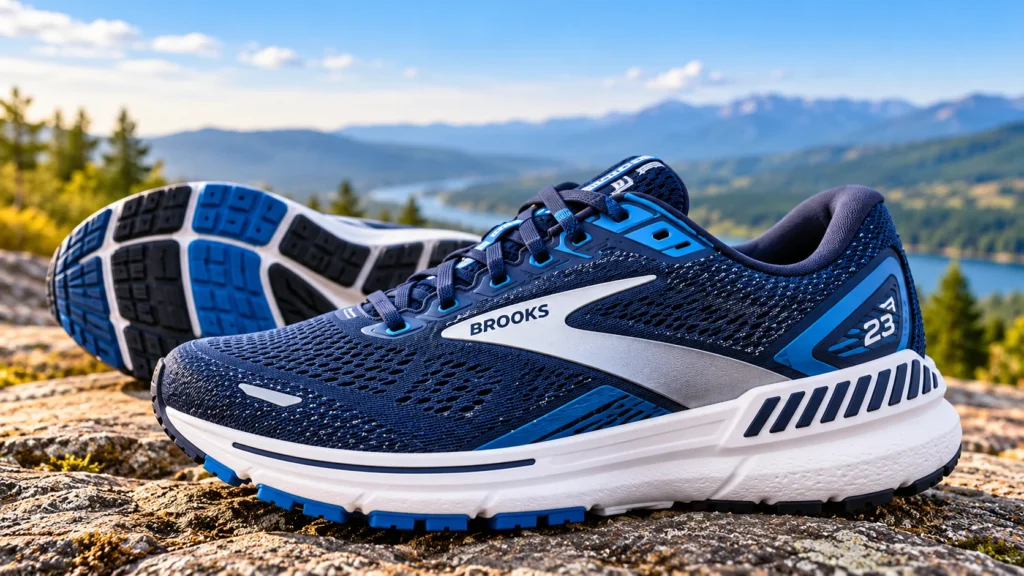
The Brooks Adrenaline GTS 23 is a stability-focused road running shoe introduced in 2023. It combines moderate cushioning with structural guidance to help runners maintain a comfortable, controlled stride.
Brooks designed it for everyday training rather than competitive racing. The shoe prioritizes dependable comfort, support, and predictable transitions.
Definition: A stability running shoe includes design features intended to guide or moderate foot movement during running. These features may include wider platforms, firmer sidewalls, or specialized support systems.
Brooks Adrenaline GTS 23 Specifications
- Category: Stability road running shoe
- Release year: 2023
- Original US retail price: Approximately $140
- Midsole: DNA LOFT v2 cushioning
- Support: GuideRails Holistic Support System
- Heel-to-toe drop: 12 mm
- Men’s reference weight: Approximately 10.1 oz / 286 g
- Women’s reference weight: Approximately 9.1 oz / 258 g
- Upper: Engineered air mesh with 3D Fit Print
- Outsole: Road-oriented rubber
- Primary uses: Easy running, daily training, and walking
Weight figures refer to commonly reported reference sizes and can vary across sizes and versions. The advertised heel-to-toe drop is 12 mm, although independent physical measurements may differ slightly.
The GTS 23’s defining combination is its supportive platform and traditional high-drop geometry. You can also review the official Brooks Adrenaline evolution guide for the manufacturer’s explanation.
How Does the Brooks Adrenaline GTS 23 Perform?
The Adrenaline GTS 23 delivers a controlled, fairly traditional daily-training ride. Its strongest qualities are stability, heel comfort, and predictable movement rather than explosive energy return.
1. DNA LOFT v2 Cushioning
DNA LOFT v2 is the foam material used in the GTS 23 midsole. Brooks introduced it to provide a lighter, softer ride than the preceding generation’s cushioning.
Independent reviews describe a relatively comfortable heel with a firmer-feeling forefoot. This combination creates a stable platform without an excessively soft sensation.
- Heel cushioning: Offers a comfortable landing for many heel-first runners.
- Forefoot feel: Generally firmer and more direct than the heel.
- Energy return: Adequate for everyday running, but not particularly bouncy.
- Best pace: Easy to moderate training efforts.
My recommendation is to prioritize this shoe when consistency matters more than speed. Runners seeking a particularly springy ride should compare newer midsole designs.
2. GuideRails Stability System
GuideRails are firmer support structures around the rear and middle portions of the shoe. Their purpose is to help keep excessive movement in check while allowing the runner’s preferred motion pattern.
Unlike some older stability designs, the support does not rely solely on a pronounced, rigid wedge. The result is a guided experience that may feel less intrusive to some runners.
- Support concentrates around the heel and midfoot.
- The system provides guidance on both sides of the foot.
- It can suit runners who prefer additional stability.
- It does not guarantee injury prevention or correct every gait problem.
I would compare the GTS 23 against a neutral running shoe before deciding that extra guidance is necessary. Comfort during actual movement matters more than an arch label alone.
3. Heel-to-Toe Transition
The shoe has a relatively high 12 mm heel-to-toe drop. This means the heel sits 12 mm higher than the forefoot according to the advertised specification.
That geometry creates a familiar, heel-elevated sensation. It may appeal to runners already comfortable with traditional high-drop trainers.
- Heel-first landing: The padded heel provides a supportive contact area.
- Midfoot transition: The platform feels guided and controlled.
- Toe-off: The forefoot is firmer rather than highly springy.
- Potential limitation: The high drop may feel pronounced if you’re accustomed to lower-drop shoes.
Changing heel drop can alter how your calves, feet, and lower legs handle loading. Make significant footwear transitions gradually rather than immediately increasing mileage.
Is the Brooks Adrenaline GTS 23 True to Size?
The Brooks Adrenaline GTS 23 generally fits true to size for many runners, according to independent reviews. However, the somewhat tapered forefoot can feel restrictive for some foot shapes.
The engineered mesh upper offers flexibility without making the shoe feel loose. Its structured midfoot and padded heel help create a secure fit.
How Does the Toe Box Fit?
The toe box has a conventional running-shoe shape rather than an especially wide, foot-shaped design. Runners with broad forefeet may notice pressure near the outer toes.
Before changing shoe length, check whether a wider version solves the problem. Extra length cannot always compensate for insufficient width.
Does the Heel Feel Secure?
A padded heel collar and structured heel counter help hold the rearfoot in place. This construction may appeal to runners who dislike excessive heel movement.
However, runners sensitive to stiff heel counters should assess the rearfoot carefully. Comfortable padding does not eliminate every potential pressure point.
Running Shoe Fit Checklist
- Measure both feet while standing.
- Wear your usual running socks.
- Check for approximately one thumb-width ahead of the longest toe.
- Make sure your forefoot isn’t squeezed.
- Walk and jog to assess heel security.
- Check whether the GuideRails feel natural.
- Reject persistent rubbing, numbness, or pressure.
The REI running shoe fit guide also explains toe clearance, heel security, and common warning signs.
If you’re comparing your first pair, our running shoe buying guide provides a broader fitting checklist.
What Are the Pros and Cons of the Brooks Adrenaline GTS 23?
The Adrenaline GTS 23 offers stability and dependable everyday construction. Its limitations mainly involve its older cushioning technology, high drop, and relatively traditional ride.
Advantages
- Supportive design: GuideRails provide structured guidance around the rearfoot and midfoot.
- Comfortable heel: The padded collar and cushioning favor a secure, comfortable rearfoot feel.
- Predictable ride: Its construction is suitable for routine road training.
- Width choices: Different width options improve the likelihood of finding an appropriate fit.
- Durable construction: Rubber outsole coverage and a structured upper support regular use.
- Discount potential: Older inventory may offer meaningful savings.
Disadvantages
- High heel drop: The 12 mm geometry won’t suit every running preference.
- Less energetic cushioning: DNA LOFT v2 feels more traditional than newer premium foams.
- Some forefoot taper: Wide-footed runners may prefer a different width or shape.
- Limited speed focus: It isn’t designed as a lightweight racing shoe.
- Older stock: Specific colors, sizes, and widths may be difficult to find.
For my shortlist, the biggest advantages are stability and predictability. The biggest buying question is whether its discount compensates for the newer alternatives.
Is the Brooks Adrenaline GTS 23 Good for Daily Running and Walking?
Yes, the Brooks Adrenaline GTS 23 can be suitable for daily running and walking when its fit and support feel comfortable. Its cushioned heel, stable platform, and structured upper align with those activities.
For Beginner Runners
Beginners who enjoy additional stability may find it a useful starting option. Its moderate cushioning and traditional construction support easy, consistent training.
However, beginners do not automatically require stability shoes. I would compare neutral and guided models before making a final choice.
For Long-Distance Training
The GTS 23 can handle longer, comfortable-paced runs when the fit works throughout the session. Its heel cushioning and dependable platform are useful characteristics for steady mileage.
Some runners will want softer foam over longer distances. Test the shoe progressively before relying on it for a demanding training plan.
For Walking and Standing
The shoe can also work for recreational walking and everyday movement. Its supportive construction may appeal to people who prefer a structured sensation underfoot.
Walking comfort is still personal. A supportive shoe should not create pressure, numbness, or discomfort during extended use.
For Faster Workouts
The GTS 23 can accommodate occasional moderate-paced running, but speed is not its main strength. Its weight, support features, and cushioning prioritize stability over maximum propulsion.
For dedicated speed sessions, I would compare lighter training shoes. That is especially worthwhile if faster workouts form a large part of your routine.
How Durable Is the Brooks Adrenaline GTS 23?
The Adrenaline GTS 23 has a road-oriented rubber outsole and an engineered mesh upper designed for repeated use. Independent testers generally reported favorable durability during their testing periods.
However, durability depends on running surfaces, body mechanics, usage patterns, and storage conditions. No shoe has a guaranteed lifespan.
What Should You Inspect for Wear?
- Outsole: Check for smooth or unevenly worn rubber.
- Midsole: Look for compression, visible damage, or a major change in cushioning feel.
- Heel counter: Check whether the rearfoot has lost its secure shape.
- Upper: Inspect for torn mesh, stretched fabric, or damaged stitching.
- Comfort: Notice whether previously comfortable runs now cause recurring irritation.
Many runners use roughly 300–500 miles as an inspection guideline rather than a guaranteed replacement date. The shoe’s actual condition matters more than reaching an exact mileage number.
The American Podiatric Medical Association provides additional advice on selecting activity-specific footwear.
Brooks Adrenaline GTS 23 vs GTS 24 vs GTS 25: What’s Different?
The biggest differences between these generations involve cushioning and heel-to-toe geometry. The GTS 23 uses DNA LOFT v2, while the GTS 24 and GTS 25 use the newer DNA LOFT v3.
All three retain Brooks’ GuideRails stability approach. However, their cushioning feel and platform designs are not identical.
| Feature | GTS 23 | GTS 24 | GTS 25 |
|---|---|---|---|
| Release year | 2023 | 2024 | 2025 |
| Midsole | DNA LOFT v2 | DNA LOFT v3 | DNA LOFT v3 |
| Heel drop | 12 mm | 12 mm | 10 mm |
| Support | GuideRails | GuideRails | GuideRails |
| Ride character | Traditional, controlled | Updated cushioning | Softer, revised geometry |
| Best reason to choose | Discounted value | Intermediate upgrade | Modern daily support |
These are manufacturer-listed specifications and broad design comparisons, not identical laboratory measurements. Shoe weight and perceived softness can vary by size and testing method.
Is the GTS 24 Better Than the GTS 23?
The GTS 24 introduces nitrogen-infused DNA LOFT v3 cushioning and an updated platform. Brooks also revised the upper and outsole construction.
I would compare the two if their selling prices are close. The GTS 23 makes more financial sense when the discount is substantial and its fit already works for you.
Should You Upgrade to the GTS 25?
The GTS 25 adds cushioning beneath the forefoot and changes the drop from 12 mm to 10 mm. This creates a noticeably different design rather than just a cosmetic update.
If you want a newer stability trainer, it deserves consideration. But a lower drop is not automatically better for every runner.
What About the Brooks Adrenaline GTS 26?
As of October 31, 2026, Brooks lists the Adrenaline GTS 26 for preorder, with a November 1 release date. It continues the series’ structured-support concept and lists a 10 mm drop.
The GTS 26 is worth comparing if you prefer the latest generation. Check its final availability, fit, and price before choosing it over discounted older inventory.
If specifications seem confusing, read our running shoe specifications comparison guide before selecting a model.
Is the Brooks Adrenaline GTS 23 Worth Buying in 2026?
Yes, but primarily as a value purchase. The shoe remains capable for everyday road running, although its features no longer represent Brooks’ newest stability technology.
Its original US retail price was approximately $140. Any current listing should be compared against newer models rather than judged by the old launch price.
When Does the GTS 23 Offer Good Value?
- The selling price is meaningfully below comparable newer stability shoes.
- Your required size and width are available.
- The seller has a reliable return policy.
- The shoes are genuine, unworn, and properly stored.
- You already know that a 12 mm drop feels comfortable.
As a personal buying guideline, I would look for roughly 20–30% savings against a comparable newer option. That is a suggested purchasing threshold, not a verified current discount.
When Should You Skip It?
- You prefer noticeably softer or more energetic cushioning.
- You want a lower-drop running shoe.
- The discounted price is close to a newer generation.
- Your forefoot feels squeezed even in available widths.
- The listing has uncertain authenticity or return conditions.
Older running shoes also deserve a careful condition check. Foam and adhesives can age during storage, particularly when exposed to unsuitable conditions.
Who Should Buy the Brooks Adrenaline GTS 23?
The GTS 23 best suits runners who prioritize structured support and consistent comfort. It is less compelling for runners shopping primarily for speed or modern, highly responsive cushioning.
Best-Fit Buyers
- Daily runners: Those who prefer stable, predictable road training shoes.
- Returning Adrenaline users: Runners familiar with the series’ high-drop design.
- Support seekers: People who find guided stability more comfortable than neutral platforms.
- Regular walkers: Those seeking a supportive, cushioned shoe for daily movement.
- Budget-conscious shoppers: Buyers finding genuine discounted stock.
Who Should Look Elsewhere?
- Runners wanting a lightweight racing shoe.
- People who prefer low-drop footwear.
- Buyers seeking a particularly spacious anatomical toe box.
- Runners who dislike structured heel support.
- Anyone expecting footwear alone to resolve persistent pain.
If you have ongoing foot, ankle, or knee discomfort, seek appropriate professional assessment. A stability shoe is not a substitute for diagnosing an injury.
Which Brooks Running Shoes Should You Consider Instead?
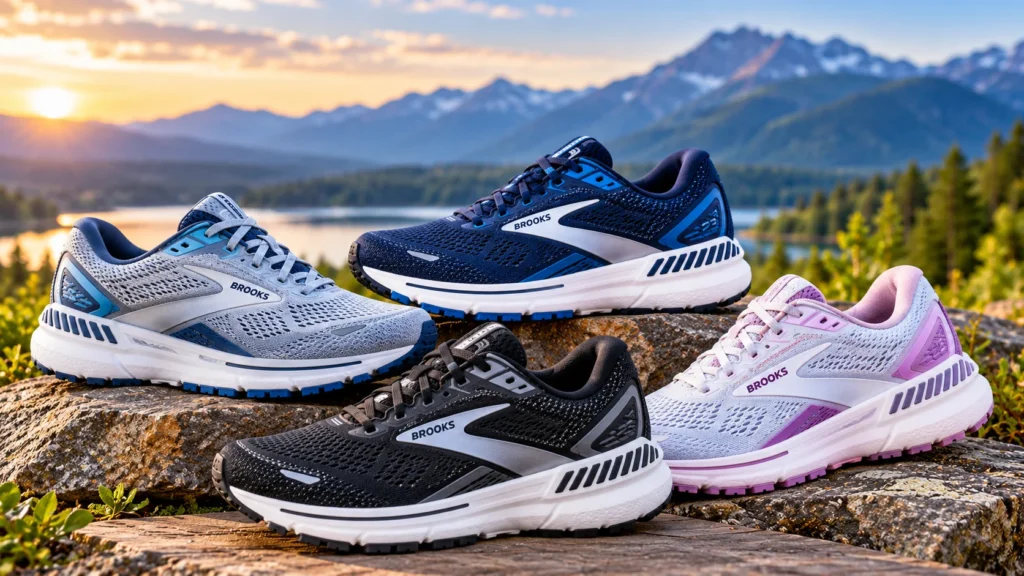
If the Adrenaline GTS 23 doesn’t meet your priorities, I would compare these three shoes. Each serves a different combination of budget, support, and cushioning needs.
Affiliate disclosure: As an Amazon Associate, we may earn from qualifying purchases at no additional cost to you. The ratings below are editorial suitability assessments, not verified customer ratings or claims of firsthand testing.
💰 Best Discount Candidate
Brooks Adrenaline GTS 23
★★★★☆ 4/5
DNA LOFT v2 cushioning, GuideRails support, and a 12 mm drop make this a traditional stability trainer. I’d choose it for reliable everyday support when the discount is worthwhile and the fit is right.
🏆 Best Modern Adrenaline Alternative
Brooks Adrenaline GTS 25
★★★★½ 4.5/5
This model combines GuideRails with DNA LOFT v3 cushioning and a 10 mm drop. I’d shortlist it for runners wanting an updated Adrenaline platform without moving away from the familiar stability category.
☁️ Best Plush Stability Alternative
Brooks Glycerin GTS 23
★★★★½ 4.5/5
The Glycerin GTS 23 uses DNA TUNED cushioning, GuideRails support, and an 8 mm drop. I’d compare it when plush underfoot comfort matters more than a traditional, moderately cushioned ride.
Frequently Asked Questions About the Brooks Adrenaline GTS 23
Is the Brooks Adrenaline GTS 23 Good for Overpronation?
Yes, the Brooks Adrenaline GTS 23 may suit runners who prefer stability features because of excessive inward foot movement. Its GuideRails system provides structural guidance around the heel and midfoot.
However, overpronation alone does not determine which shoe you need. Try different models and prioritize comfort, especially if you experience recurring pain.
Can You Walk in the Brooks Adrenaline GTS 23?
Yes, the Brooks Adrenaline GTS 23 can work well for walking when it fits comfortably. Its cushioned heel, supportive platform, and secure upper make it a practical everyday option.
Try it during your typical walking routine before committing. If the high heel drop or structured support feels uncomfortable, compare other walking shoes.
Is the Brooks Adrenaline GTS 23 Better Than the GTS 22?
The GTS 23 introduced DNA LOFT v2 cushioning and refinements to the upper and heel collar. Brooks designed these changes to improve comfort and reduce weight compared with the preceding generation.
The overall stability concept remained familiar. Whether the upgrade is worthwhile depends on fit, pricing, and your satisfaction with the GTS 22.
Is the Brooks Adrenaline GTS 23 Suitable for Flat Feet?
Some runners with flat feet may find the GuideRails support comfortable. However, flat arches do not automatically mean that a stability shoe is required.
Compare the Adrenaline with neutral alternatives and assess how your feet respond during movement. Persistent pain or functional problems should receive professional attention.
Should You Buy the Brooks Adrenaline GTS 23 or GTS 25?
Choose the GTS 23 if its fit suits you and it costs substantially less. Consider the GTS 25 if you prefer updated DNA LOFT v3 cushioning, a 10 mm drop, and revised platform geometry.
Neither model is universally better. The strongest buying decision balances comfort, available width, return policy, and actual selling price.
Final Verdict: Is the Brooks Adrenaline GTS 23 Still Worth It?
The Brooks Adrenaline GTS 23 remains a capable stability running shoe in 2026. Its GuideRails system, DNA LOFT v2 cushioning, and secure construction still make sense for everyday road training.
However, there is no reason to pay a premium for an older model when newer alternatives are available at comparable prices. The GTS 23’s greatest advantage today is potential value.
My final recommendation: Choose the Adrenaline GTS 23 when the fit is right and the discount is meaningful. Otherwise, compare the GTS 25, upcoming GTS 26, or a more cushioned stability option before buying.
A comfortable fit should always come first. The best running shoe is the one you can use confidently and consistently.