

Quick Answer
The Brooks Launch 11 is a lightweight, neutral road running shoe designed for everyday training and faster workouts. Its responsive cushioning, breathable upper, and secure fit make it a worthwhile option in 2026, especially at a discount. However, its relatively firm ride and snug toe box won’t suit everyone. Before buying, use this running shoe fitting checklist to assess whether its shape works for your feet.
My quick buying verdict
- Best for: Neutral runners wanting lightweight daily training and occasional tempo workouts.
- Cushioning: Nitrogen-infused DNA Flash foam with DNA Flash v2 in the forefoot.
- Weight: Approximately 7.7 oz (218 g), according to Brooks’ men’s specification.
- Heel-to-toe drop: 8 mm, suitable for runners comfortable with a moderate offset.
- Main drawback: The firmer cushioning and lower-volume forefoot may limit comfort.
- Overall verdict: A good discounted trainer, but compare its price with the newer Launch 12.
Before you buy
- Check the fit: Make sure your toes have enough vertical and horizontal space.
- Compare prices: Look at the Launch 12 before paying full price for older stock.
The Brooks Launch series has long appealed to runners who want a practical training shoe without excessive weight or bulk. The Launch 11 changes that formula with updated cushioning, outsole construction, and a more structured upper.
In this Brooks Launch 11 review, I’ll examine its specifications, published performance tests, comfort, fit, and value. I’ll also explain which alternatives make more sense for different runners in 2026.
What Is the Brooks Launch 11 Running Shoe?
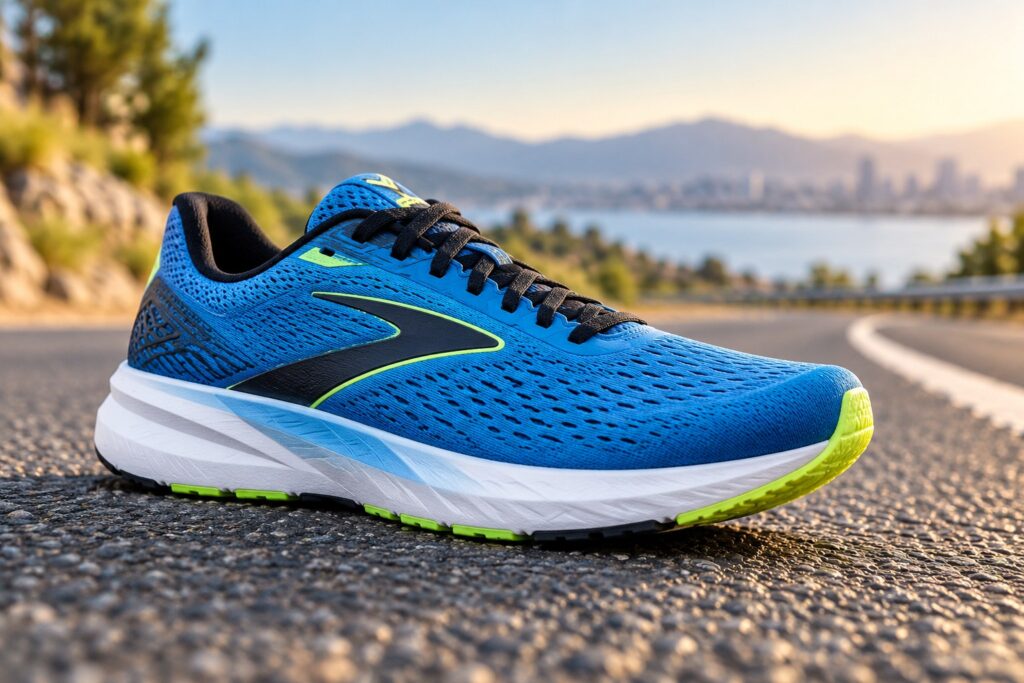
The Brooks Launch 11 is a neutral road running shoe built for daily mileage, faster training, and occasional racing. It combines a relatively streamlined design with nitrogen-infused cushioning for a responsive underfoot feel.
Unlike Brooks’ plush daily trainers, the Launch emphasizes quicker transitions and a more direct connection to the ground. It’s designed for runners who prefer a lively feel over maximum softness.
Brooks Launch 11 Key Specifications
- Model: Brooks Launch 11
- Category: Lightweight neutral road running shoe
- Midsole: DNA Flash with DNA Flash v2 forefoot cushioning
- Heel-to-toe drop: 8 mm
- Men’s listed weight: 7.7 oz (218.3 g)
- Upper: Breathable engineered mesh
- Outsole: RoadTack rubber
- Original US retail price: Approximately $120
- Primary use: Road running, daily training, and moderate speedwork
- Original release: 2025
These specifications reflect the manufacturer’s product information and launch pricing. Independent measurements can differ because of shoe size, sample variation, and testing methods.
For example, RunRepeat measured approximately 237 g in its test sample, higher than Brooks’ listed figure. I recommend using shoe weight as a comparison guide rather than an absolute promise.
What Makes the Launch 11 Different?
The main update is its cushioning construction. Brooks pairs DNA Flash foam with DNA Flash v2 toward the front to improve the sensation of forward propulsion.
The revised outsole and breathable upper complete the update. You can review the manufacturer’s design description on the official Brooks Launch 11 product page.
How Does the Brooks Launch 11 Perform During Running?
The Brooks Launch 11 offers a firm-to-moderately cushioned ride suited to everyday workouts and quicker efforts. Independent reviews generally describe it as nimble, secure, and versatile rather than exceptionally soft.
My assessment is based on the published specifications and independent running and laboratory evaluations. I haven’t conducted a personal mileage test of this particular shoe.
Is the Launch 11 Comfortable for Easy Runs?
Yes, for runners who appreciate firmer cushioning. Its lightweight design and relatively straightforward geometry can work well for short or moderate daily runs.
However, runners accustomed to plush midsoles might find the experience less relaxing. Cushioning preference is personal, and a more responsive foam isn’t necessarily more comfortable.
- Short easy runs: A sensible use for runners comfortable with firmer shoes.
- Moderate daily mileage: Suitable when fit and cushioning preferences align.
- Recovery runs: Less appealing if you prefer a softer, more protective sensation.
Can You Use the Brooks Launch 11 for Tempo Runs?
Yes. Tempo training is one of the stronger reasons to consider the Launch 11 because of its responsive forefoot and relatively light construction.
The foam provides some bounce, although it doesn’t deliver the aggressive propulsion of a premium racing shoe. Its advantage is versatility rather than maximum speed.
For example, consider a session with 10 minutes of easy running, 20 minutes at a comfortably hard pace, and a short cooldown. The Launch 11 is designed to accommodate that mix without requiring a separate racing shoe.
Is the Brooks Launch 11 Good for Long Runs?
It can handle longer training runs, but its firmness may become more noticeable as distance increases. Runners seeking substantial softness underfoot may prefer a dedicated cushioned daily trainer.
In the Doctors of Running Launch 11 review, the shoe is evaluated as a lightweight trainer with a more energetic forefoot. The discussion also highlights the importance of fit and individual preference.
How Good Is the Brooks Launch 11 Cushioning?
The Launch 11 uses nitrogen-infused foam to provide cushioning with a relatively lively response. The result is firmer than some highly cushioned Brooks models, especially during slower efforts.
How Does DNA Flash Cushioning Work?
DNA Flash is Brooks’ nitrogen-infused cushioning technology, designed to balance low weight with responsiveness. The Launch 11 adds DNA Flash v2 foam in its forefoot for a more energetic toe-off.
This construction differs from traditional basic EVA midsoles. For more context, see my guide to supercritical foam running shoes and how different foam designs affect ride characteristics.
Does the Cushioning Feel Soft or Firm?
Independent evaluations generally place the Launch 11 on the firmer side. RunRepeat’s laboratory measurements also describe a firmer underfoot character despite the upgraded midsole.
You can explore its measured cushioning, traction, and weight in the RunRepeat laboratory review. These findings support the view that the Launch 11 prioritizes responsiveness over plush comfort.
How Does the Brooks Launch 11 Fit?
The Brooks Launch 11 has a relatively secure, performance-oriented fit with a snug forefoot feel. That can help during faster running, but it may not suit runners who need extra toe-box volume.
Does the Brooks Launch 11 Run True to Size?
Start with your usual running shoe size, but don’t assume the same number will fit perfectly. Independent testing suggests that its toe-box volume may feel restrictive for some runners.
I recommend measuring both feet and checking Brooks’ size chart before ordering. My running shoe sizing between brands guide explains why identical size labels can fit differently.
Is the Brooks Launch 11 Good for Wide Feet?
The standard-width Launch 11 isn’t my first recommendation for particularly wide or high-volume feet. Its secure upper and relatively low toe-box height may create pressure around the forefoot.
Some markets may offer wider fittings, although availability depends on retailer and size. A wider label also won’t necessarily correct insufficient vertical toe space.
How Breathable Is the Upper?
Breathability is one of the Launch 11’s stronger features. Its mesh construction allows airflow while maintaining a secure midfoot feel.
Independent laboratory testing rated its breathability favorably. That’s useful for warm-weather running, although socks, humidity, and individual comfort still matter.
What Are the Main Pros and Cons of the Brooks Launch 11?
The Launch 11 provides good versatility for runners who prefer lighter, firmer shoes. Its main limitations involve fit, softness, and competition from newer models.
Advantages
- Relatively lightweight construction for daily training.
- Responsive forefoot cushioning for faster efforts.
- Breathable mesh upper with secure midfoot support.
- RoadTack rubber outsole with encouraging independent traction results.
- Useful balance between everyday running and speedwork.
- Potentially attractive value when sold below its original price.
Disadvantages
- Firmer underfoot feel than plush daily trainers.
- Relatively snug and low-volume toe box.
- Not designed as a dedicated stability shoe.
- Less exciting than premium speed-focused trainers.
- Older-model pricing may overlap with the newer Launch 12.
Brooks Launch 11 vs Ghost 17 vs Hyperion 2 vs Launch 12
The Launch 11 sits between Brooks’ everyday comfort models and its lighter performance shoes. Comparing these models by intended use reveals more than comparing cushioning names alone.
| Model | Men’s Listed Weight | Drop | Primary Strength |
|---|---|---|---|
| Brooks Launch 11 | 7.7 oz | 8 mm | Lightweight versatile training |
| Brooks Ghost 17 | 10.1 oz | 10 mm | Comfortable everyday mileage |
| Brooks Hyperion 2 | 7.1 oz | 8 mm | Faster performance training |
| Brooks Launch 12 | 8.9 oz | 8 mm | Updated versatile daily training |
Note: Listed weights come from Brooks’ men’s product specifications and may vary by size or version. Figures are rounded.
Brooks Launch 11 vs Ghost 17
Choose the Launch 11 when lower weight and quicker workouts matter more than plush comfort. The Ghost 17 makes more sense for runners prioritizing relaxed daily mileage and a softer, more substantial underfoot feel.
Brooks Launch 11 vs Hyperion 2
The Hyperion 2 is the stronger choice for runners who regularly focus on faster training sessions. Its lighter construction and performance-oriented cushioning make it appealing when pace matters most.
The Launch 11 offers a more everyday-focused alternative. I’d lean toward the Launch for a simple training rotation where one shoe handles several workout types.
Brooks Launch 11 vs Launch 12
The Launch 12 is the newer model, released in 2026, with an updated upper and continued use of responsive DNA Flash cushioning. Both have an 8 mm listed drop, although their weights and construction differ.
If the price difference is small, compare the newer model first. If the Launch 11 fits well and costs noticeably less, buying the older generation can still be reasonable.
Is the Brooks Launch 11 Better Than the Launch 10?
The Launch 11 introduces substantial changes in cushioning and construction compared with the Launch 10. Its listed heel-to-toe drop also decreases from 10 mm to 8 mm.
The older Launch 10 may appeal to runners who prefer its familiar geometry and more flexible feel. The Launch 11 offers newer foam technology and redesigned traction elements.
- Cushioning update: The Launch 11 introduces nitrogen-infused DNA Flash construction with DNA Flash v2 in the forefoot.
- Drop change: The published offset decreases by 2 mm.
- Upper update: Improved airflow and a more structured fit are key differences.
- Outsole update: Revised RoadTack coverage changes traction and flexibility.
I wouldn’t replace a comfortable Launch 10 solely because the Launch 11 has newer technology. A meaningful upgrade should solve a problem you experience with your existing shoes.
How Durable Is the Brooks Launch 11?
The Launch 11 uses RoadTack rubber designed for road running traction and durability. Independent testing found encouraging outsole grip, including performance on wet test surfaces.
However, outsole grip doesn’t guarantee long-term durability for every runner. Heel wear, running form, surface texture, and training volume can change how quickly a shoe deteriorates.
How Long Should the Brooks Launch 11 Last?
There is no verified universal mileage lifespan for the Launch 11. Its replacement interval depends on cushioning condition, outsole wear, comfort, and your training habits.
Check the shoe regularly for these warning signs:
- Uneven or excessive tread wear.
- Flattened cushioning or an unfamiliar ride.
- Damaged heel lining or upper material.
- New rubbing, discomfort, or instability.
For broader guidance, the American Podiatric Medical Association discusses choosing appropriate sports footwear. Avoid treating any single mileage estimate as a guaranteed replacement deadline.
Who Should Buy the Brooks Launch 11?
The Launch 11 is best suited to neutral runners who value a lightweight, responsive shoe for varied training. It particularly suits people comfortable with moderately firm cushioning.
Good Candidates
- Runners who combine easy miles with occasional tempo sessions.
- People who dislike bulky, highly cushioned shoes.
- Neutral runners seeking a versatile training shoe.
- Runners whose feet fit comfortably inside its streamlined upper.
- Value-focused shoppers finding the model at a meaningful discount.
Who Should Avoid the Launch 11?
The Launch 11 is less appealing if maximum softness, extra forefoot room, or dedicated stability features are priorities. These limitations matter more than its weight advantage.
- Runners who prefer plush recovery-day cushioning.
- People experiencing forefoot pressure in narrow or low-volume shoes.
- Runners specifically seeking dedicated motion-guidance features.
- Buyers expecting a premium racing-shoe sensation.
The American Academy of Podiatric Sports Medicine emphasizes individualized footwear selection. Foot shape, comfort, training habits, and injury history should all influence your decision.
How Should You Test the Brooks Launch 11 Before Buying?
Test the Launch 11 for fit, comfort, and stability rather than relying on specification numbers alone. A shoe that feels excellent during a brief walk may behave differently while running.
- Check toe clearance: Leave approximately a thumb-width beyond your longest toe.
- Assess forefoot volume: Make sure the upper doesn’t press painfully against your toes.
- Walk and jog: Notice unwanted heel movement or lace pressure.
- Try different paces: Compare the feeling during easy and slightly faster running when permitted.
- Consider your existing shoes: Identify whether the Launch solves a genuine comfort or performance problem.
- Check return conditions: Understand the retailer’s policy before running outdoors.
My practical rule is to judge a shoe by its least comfortable moment during the fitting process. Attractive specifications won’t compensate for persistent pressure or rubbing.
When interpreting review scores, I recommend reading the actual test conditions. My guide on what to look for in running shoe reviews explains how to separate useful evidence from broad opinions.
Is the Brooks Launch 11 Worth the Money in 2026?

Yes, the Brooks Launch 11 can be worth buying in 2026 when its fit suits you and its price is competitive. Its original $120 retail positioning was attractive for a versatile lightweight trainer.
The challenge is that the Launch 12 is already available. I would be more interested in a discounted Launch 11 than a full-price pair competing directly with the newer model.
When Is It a Good Deal?
- Meaningful discount: Consider the Launch 11 when it costs clearly less than the Launch 12.
- Known fit: An older model that fits well can be preferable to an unfamiliar replacement.
- Reliable retailer: Verify authenticity, sizing, and return eligibility.
- Suitable ride: Buy it for its firm, responsive character rather than expecting maximum softness.
As a personal buying guideline, I’d look for roughly $20–$35 savings compared with a similarly available Launch 12. That’s a value threshold, not a claim about current sale prices.
Which Brooks Running Shoes Are Worth Considering?
If you’re choosing between Brooks models, these three options address different priorities. The ratings below are editorial suitability scores, not customer-review averages or personal mileage-test scores.
🏆 Best lightweight value
Brooks Launch 11
★★★★☆ 4.2/5
An 8 mm drop and responsive DNA Flash construction make this a practical daily-and-tempo option. I’d prioritize it when a discount makes its older-generation status worthwhile.
☁️ Best for everyday comfort
Brooks Ghost 17
★★★★☆ 4.5/5
Its nitrogen-infused DNA Loft v3 cushioning and 10 mm drop target comfortable daily mileage. I’d choose it over the Launch for runners who value a softer, more relaxed ride.
⚡ Best for faster workouts
Brooks Hyperion 2
★★★★☆ 4.4/5
With an 8 mm drop and a listed men’s weight near 7.1 oz, this model emphasizes lightweight performance. I’d favor it for runners whose main goal is quicker, more focused training.
Frequently Asked Questions About the Brooks Launch 11
Is the Brooks Launch 11 Good for Beginners?
Yes, beginners can use the Brooks Launch 11 if its firm cushioning and snug fit feel comfortable. It offers a lightweight, versatile platform for ordinary road running. However, beginners who prefer extra softness may find a more cushioned daily trainer easier to enjoy.
Is the Brooks Launch 11 a Stability Shoe?
No, the Launch 11 is primarily a neutral running shoe rather than a dedicated stability model. Its upper and platform provide some inherent support, but it lacks the specialized guidance features found in stability-focused designs. Choose footwear based on individual comfort and support needs.
Can You Run a Half Marathon in the Brooks Launch 11?
Yes, the Launch 11 can be used for a half marathon when you’ve trained comfortably in it at similar distances. Its responsive cushioning and lightweight construction suit sustained running. However, runners requiring extra softness over longer distances may prefer a more cushioned model.
Is the Brooks Launch 11 Good for Walking?
The Launch 11 can work for walking, particularly if you appreciate a lightweight, responsive shoe. However, its performance-oriented fit and firmer cushioning may not be ideal for prolonged casual walking. A comfort-focused walking or running shoe could be a better choice.
Should You Buy the Brooks Launch 11 or Launch 12?
Choose the Launch 11 when it fits comfortably and offers meaningful savings. The Launch 12 is the newer generation, making it worth comparing when prices are close. Neither model is automatically better for every runner, so prioritize fit, ride preference, and available sizes.
Final Verdict: Should You Buy the Brooks Launch 11?
The Brooks Launch 11 remains a capable lightweight road running shoe in 2026. Its responsive forefoot, breathable upper, and versatile design make it attractive for runners who enjoy firmer, quicker-feeling trainers.
Its main compromises are limited forefoot volume and less plush cushioning. The newer Launch 12 also means that price matters more than it did when the Launch 11 originally arrived.
My recommendation: Buy the Launch 11 if it fits your feet, matches your training needs, and offers a worthwhile discount. Choose another model if comfort, wider fit, or specialized support matters more than low weight.
For a smarter purchase, compare fit and specifications before choosing. My guide on how to compare running shoe specifications can help you evaluate the details that matter most.